
Pan-Seared Ribeye Steak
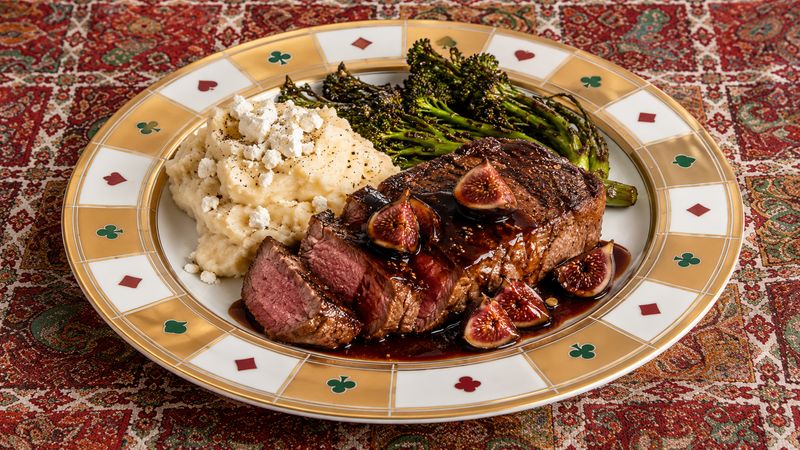
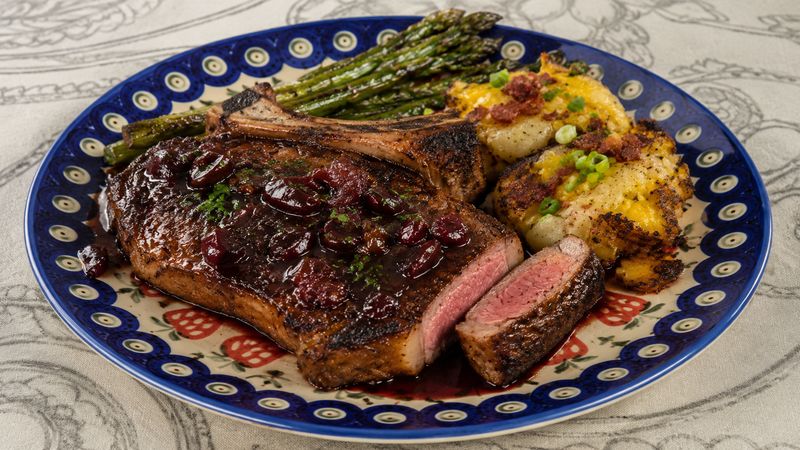
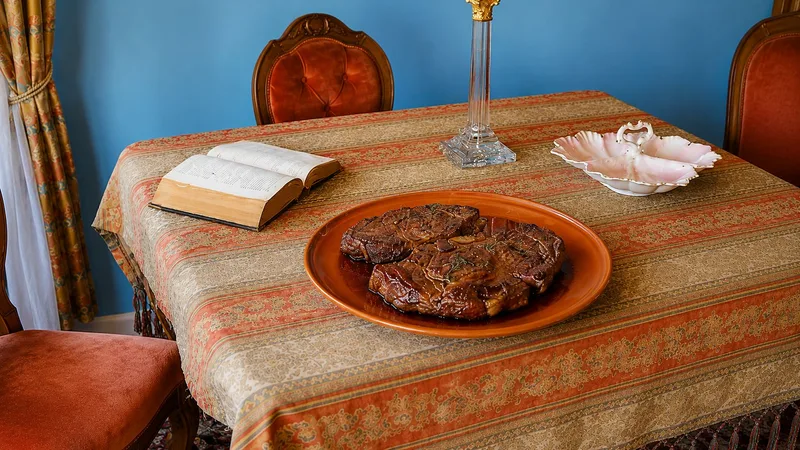
For a classic steak dinner, season ribeye steaks with salt and pepper, sear them in a screaming-hot cast iron skillet for 3 to 4 minutes per side, then baste with butter, garlic, and thyme until they reach your preferred temperature. Rest the steaks for 5 to 10 minutes before slicing so the juices stay in the meat instead of running across the cutting board like evidence.
A ribeye already brought most of dinner with it. The marbling is there, the beefy flavor is there, and all you really have to do is avoid getting in its way. That starts with a dry surface and a genuinely hot cast-iron skillet. Moisture creates steam; steam is wonderful for dumplings and absolutely useless when you’re trying to build a dark steakhouse crust. Pat the ribeyes dry, season them with kosher salt and cracked black pepper, and let the pan get hot enough that adding the steak feels like a decision with consequences.
Once the first side hits the skillet, leave it alone for three to four minutes. Constant flipping and lifting is how people turn searing into a group project nobody asked for. After the flip, butter, smashed garlic, and thyme go into the pan, and the foaming butter gets spooned repeatedly over the steaks while the second side browns. That baste carries the garlic and herbs across the surface while the butter picks up every browned bit in the skillet.
Use an instant-read thermometer instead of interpreting steak doneness through spiritual intuition: 130–135°F is the target here for medium-rare, with carryover heat during the rest. Give it at least five minutes before cutting. The skillet did its part. Now your only job is to keep a knife away from it long enough for the juices to stay inside the steak.
Ingredients
- 2 ribeye steaks, 1 to 1.25 inches thick (about 12-14 oz each)
- 1.5 teaspoons kosher salt (plus more to taste)
- 1 teaspoon freshly cracked black pepper
- 1 tablespoon neutral oil with a high smoke point (avocado or canola)
- 3 tablespoons unsalted butter
- 4 cloves garlic, smashed and left in their skins
- 4 sprigs fresh thyme
- Flaky sea salt for finishing
Instructions
- 1Pull the steaks from the refrigerator 30-45 minutes before cooking and set them on a wire rack or plate at room temperature. This is not optional — cold steak hits a hot pan and the outside overcooks before the inside catches up.
- 2Pat the steaks completely dry with paper towels on all sides. This is the most important step for getting a real crust. Moisture is the enemy of browning. Pat them like you mean it.
- 3Season generously on both sides and the edges with kosher salt and cracked black pepper. Press the seasoning in lightly.
- 4Set a cast iron skillet over high heat for 2-3 minutes until it is smoking. You want it legitimately hot — not 'kind of hot,' not 'seems hot enough.' Smoking hot.
- 5Add the oil to the pan and swirl to coat. Lay the steaks in the pan away from you and do not move them for 3-4 minutes. You are building a crust. Let it build.
- 6Flip the steaks once. Add the butter, smashed garlic, and thyme sprigs to the pan immediately after flipping.
- 7Once the butter is melted and foaming, tilt the pan slightly and use a large spoon to continuously baste the steaks with the hot butter. Spoon it over the top constantly for 2-3 minutes while the second side sears.
- 8Check internal temperature with an instant-read thermometer: 125°F for rare, 130-135°F for medium-rare (recommended), 140°F for medium. The steak will rise 5 degrees as it rests.
- 9Transfer steaks to a cutting board and rest uncovered for at least 5 minutes, preferably 8-10. Do not cut into them early. The juice needs to redistribute or it will run straight onto the board and your dinner will taste like regret.
- 10Finish with a pinch of flaky sea salt before serving. Slice against the grain if cutting, or serve whole.
Nutrition Information
Estimated per serving: 1 of 2 servings.
Estimated from the ingredients and quantities in this recipe using standard food-composition values. Brand choices, trimming, cooking loss, optional ingredients, and actual portion size can change the numbers. How we calculate nutrition estimates.
Pro Tips
- Dry is everything. A wet steak steams instead of sears, and steamed steak is a sad experience no one deserves. Pat those steaks dry twice if you have to.
- Your thermometer is your best friend and the only thing standing between you and a $20 piece of meat you overcook in front of company. Buy a cheap instant-read one and use it without shame.
- If your kitchen fills with smoke, that means the pan is hot enough and your ventilation fan is underperforming — open a window, not a new pan. The smoke is a feature, not a malfunction.
Substitutions
Storage Instructions
Leftover steak keeps in an airtight container in the refrigerator for up to 3 days. Reheat gently in a skillet over medium-low heat with a splash of beef broth to keep it from drying out — about 2 minutes per side. Do not microwave it. I will not explain why. Just don't.
Make Ahead
You can season the steaks and leave them uncovered on a rack in the refrigerator for up to 24 hours before cooking — this is actually a dry-brine technique that deepens flavor and helps the exterior dry out even further for a better crust. Pull them out 30-45 minutes before cooking as directed.
Freezing
Cooked ribeye can be frozen, but it is not the best use of this recipe because the browned crust and juicy texture suffer. If necessary, cool the steak, wrap it airtight, thaw it in the refrigerator, and reheat it gently.
Make It a Meal
Pair this recipe with a side, bread, and something sweet from the FAFO Kitchen.