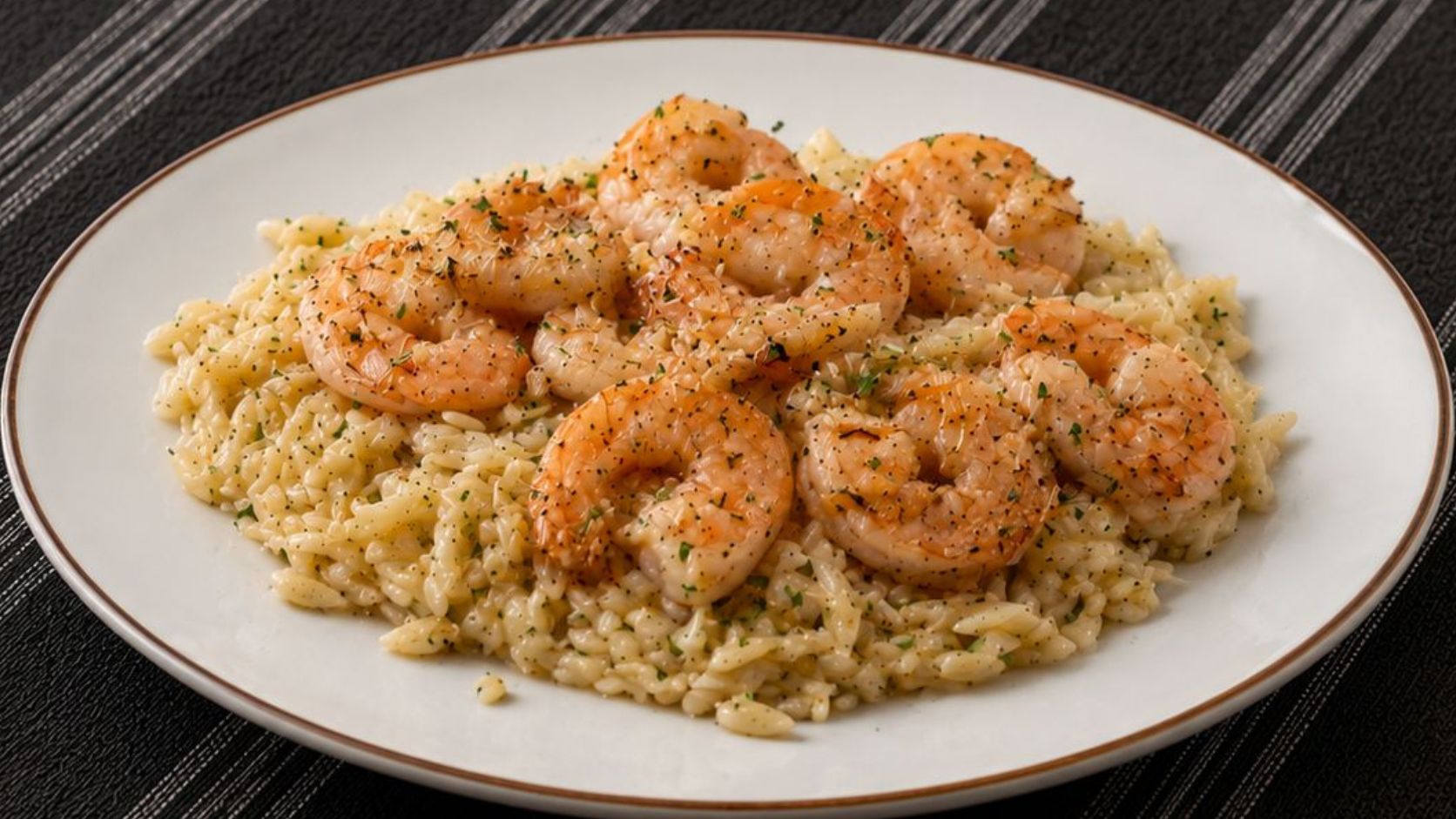
Quick Weeknight Dinners: Garlic Butter Shrimp & Orzo
Quick weeknight dinners like garlic butter shrimp pasta come together in about 25 minutes using one skillet and a pot of boiling water. Cook the pasta, sauté the shrimp in garlic butter, toss everything together with pasta water and parsley, and dinner is done.
I started keeping a bag of frozen shrimp in the freezer after I watched a coworker eat the same sad desk lunch for six months straight and then mention on a Friday afternoon that he'd just made shrimp pasta in twenty minutes the night before and it had been the highlight of his week. That's a low bar to clear, but shrimp pasta in twenty minutes at nine o'clock on a Tuesday is a real thing worth having in your rotation.
The garlic butter shrimp and orzo version became the go-to because orzo cooks in the same pan as the shrimp rather than requiring a separate pot of pasta water. The orzo toasts in the butter and garlic before the broth goes in, which adds a slightly nutty depth that regular pasta doesn't have. The shrimp goes in at the end because shrimp cook in about two minutes and anything longer than that is overcooked shrimp, which is a texture problem that no amount of sauce can fix.
Season the shrimp separately before it goes in the pan: salt, pepper, smoked paprika, and a little garlic powder. Pat dry first — wet shrimp steams instead of sears. The garlic butter in the pan goes in off the heat after the shrimp are done, so the garlic doesn't burn in the residual heat. Lemon juice at the end brightens everything and cuts through the richness of the butter.
Twenty-five minutes start to finish, one pan to wash. The coworker was right about the highlight-of-the-week part. That's what a good weeknight dinner is for.
Ingredients
- 12 oz linguine or spaghetti
- 1 lb large shrimp, peeled and deveined (fresh or thawed frozen)
- 4 tablespoons unsalted butter, divided
- 2 tablespoons olive oil
- 6 cloves garlic, minced
- 1/2 teaspoon red pepper flakes
- 1/2 cup dry white wine or chicken broth
- 1/3 cup reserved pasta water, plus more as needed
- 2 tablespoons fresh lemon juice (about 1 lemon)
- 1/2 teaspoon kosher salt, plus more for pasta water
- 1/4 teaspoon black pepper
- 1/4 cup fresh flat-leaf parsley, roughly chopped
- 1/4 cup grated Parmesan cheese, for serving
- Lemon wedges, for serving
Instructions
- 1Bring a large pot of water to a boil. Salt it generously —? it should taste like mild seawater. Cook linguine according to package directions until just al dente. Before draining, scoop out at least 1/2 cup of pasta water and set aside. Drain the pasta and do not rinse it.
- 2While the pasta cooks, pat the shrimp completely dry with paper towels and season with 1/2 teaspoon salt and 1/4 teaspoon black pepper. Dry shrimp sear instead of steam —? this matters.
- 3Heat a large skillet over medium-high heat. Add 1 tablespoon butter and the olive oil. When the butter has melted and stopped foaming, add the shrimp in a single layer. Do not crowd the pan; cook in batches if needed.
- 4Cook the shrimp 1 to 1.5 minutes per side until pink and just opaque. Do not overcook —? they finish in the sauce. Transfer shrimp to a plate and set aside.
- 5Reduce heat to medium. Add the remaining 3 tablespoons butter to the same skillet. Once melted, add the minced garlic and red pepper flakes. Sauté for 60 seconds, stirring constantly, until fragrant but not browned.
- 6Add the white wine (or chicken broth). Scrape up any browned bits from the bottom of the pan. Let the liquid reduce by half, about 2 minutes.
- 7Add the drained pasta to the skillet along with 1/3 cup of the reserved pasta water. Toss to coat, adding more pasta water a splash at a time if the sauce looks tight. The starchy water emulsifies with the butter and creates a sauce that actually clings.
- 8Return the shrimp to the pan. Add the lemon juice and toss everything together over medium heat for 1 minute until the shrimp are warmed through and coated in the sauce.
- 9Remove from heat. Add the chopped parsley and toss. Taste for salt and lemon. Serve immediately in warm bowls with grated Parmesan and lemon wedges.
Pro Tips
- Dry your shrimp before they hit the pan —? moisture is the enemy of a good sear, and wet shrimp will steam into something gray and sad instead of picking up that golden edge.
- Reserve more pasta water than you think you need. You can always add more but you can't unmake a dry, clumpy pasta situation at 6:45 on a Thursday.
- If you taste the sauce and something feels missing, it's almost always more lemon juice. The acid wakes the whole thing up —? that's not a metaphor, that's just how butter and garlic work.
Substitutions
Storage Instructions
Store leftover shrimp pasta in an airtight container in the refrigerator for up to 2 days. Reheat gently in a skillet over medium-low heat with a splash of water or broth to loosen the sauce. Shrimp reheat fast —? 1 to 2 minutes max or they toughen. Not recommended for freezing, as cooked shrimp become rubbery after thawing.
Make Ahead
You can mince the garlic, chop the parsley, and prep the shrimp up to 24 hours in advance. Store each separately in the fridge. The full dish is best cooked and served immediately —? it comes together in 25 minutes, which is the whole point.
Frequently Asked Questions
How do I keep my shrimp from getting rubbery?
The main culprits are overcrowding and overcooking. Shrimp go rubbery fast —? they only need 1 to 1.5 minutes per side in a hot pan. Pull them off the heat while they still look slightly underdone; they'll finish cooking when you toss them back into the hot pasta and sauce at the end. A dry shrimp also sears better and cooks more evenly than a wet one.
Can I use pre-cooked shrimp?
Technically yes, but pre-cooked shrimp are already done and just need warming, which means they overcook easily and turn rubbery before the garlic butter sauce has time to coat them properly. If that's what you have, add them to the finished sauce off the heat and toss for 30 seconds, just to warm through. Raw shrimp give you far better results and more control.
Why did my sauce turn out greasy instead of creamy?
This usually happens when the butter and pasta water don't emulsify —? often because the pan was too hot or the pasta water wasn't added gradually. Toss the pasta in the pan with the butter sauce over medium heat, adding pasta water a little at a time while tossing constantly. The starch in the water binds everything together. If the sauce breaks, take the pan off the heat and add a splash of cold pasta water while tossing vigorously.
Can I make this ahead of time?
The prep work —? mincing garlic, chopping parsley, peeling and deveining shrimp —? can all be done up to 24 hours ahead and stored separately in the fridge. The full dish is best made fresh, but since it only takes 25 minutes, that's the better play. Assembled leftovers keep for up to 2 days refrigerated but lose a little texture on the shrimp.
How do I store and reheat leftovers?
Refrigerate in an airtight container for up to 2 days. To reheat, add a splash of water or broth to a skillet over medium-low heat, add the pasta, and toss gently until warm —? about 2 to 3 minutes. Add the shrimp last and heat for just 60 seconds. Microwaving works in a pinch but the shrimp will tighten up. Do not freeze this dish; shrimp become unpleasantly chewy after freezing and thawing.
Is there a way to make this gluten-free or dairy-free?
For gluten-free, swap the linguine for your preferred GF pasta —? rice-based or corn-based both work well. The rest of the recipe is naturally gluten-free if you use broth instead of wine (verify your broth label). For dairy-free, use a good-quality vegan butter like Miyoko's in place of unsalted butter and skip the Parmesan or use a dairy-free alternative. The sauce will be slightly lighter but still flavorful.
What size shrimp should I buy?
Large or extra-large shrimp (16/20 or 21/25 count per pound) work best here. They sear well without overcooking as fast as smaller shrimp, and they have enough presence in the dish to feel substantial rather than decorative. Jumbo shrimp work too but take an extra 30 seconds per side. Avoid small or medium shrimp —? they overcook too easily in this application.
Can I add vegetables to this to make it a more complete meal?
Absolutely. Halved cherry tomatoes added to the garlic butter step (before the wine) burst and become jammy and sweet. Baby spinach wilts in right at the end, off the heat. Asparagus cut into 1-inch pieces can go in with the garlic and cook 2 to 3 minutes before adding the wine. None of these additions will slow you down significantly, and all of them make this feel a little more like a full dinner.