

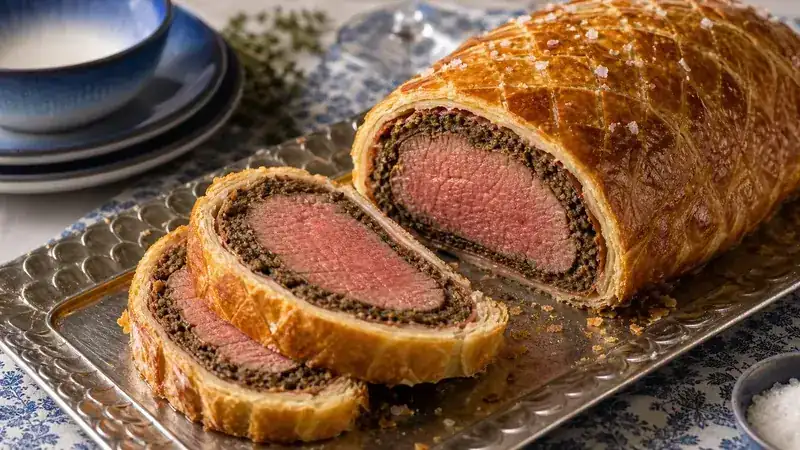
Beef Wellington
Beef Wellington is made by coating a seared beef tenderloin in a mushroom duxelles and prosciutto, wrapping it in puff pastry, and baking at 425°F until the pastry is golden and the beef reaches your target internal temperature. The key steps are chilling the wrapped beef before baking and patting everything dry to prevent a soggy bottom crust.
Beef Wellington has the confidence of a dish that knows you are going to photograph it before dinner. Inside that golden puff pastry is a center-cut beef tenderloin, a layer of mushroom duxelles, and overlapping prosciutto, with Dijon tucked against the seared beef. None of those parts is especially mysterious on its own. The difficulty comes from asking all of them—hot meat, damp mushrooms, delicate pastry—to cooperate in one package without turning the bottom into expensive wallpaper paste.
The answer is moisture control and chilling. Sear the tenderloin, brush it with Dijon, and cool it completely. Wring moisture from the mushrooms before cooking them with shallot, garlic, thyme, and sherry, then keep cooking until the duxelles is dark and dry. Cool that too. Wrap the chilled beef tightly in prosciutto and mushrooms, chill again, then finally enclose it in puff pastry. It feels like the recipe keeps sending everything back to the refrigerator because it does. The refrigerator is basically a member of the kitchen staff on this one.
At 425°F, the pastry should become deeply golden while the tenderloin reaches its target temperature; begin checking early and use a thermometer because puff pastry offers absolutely no useful clues about the beef trapped inside it. Rest the finished Wellington for 10 minutes before slicing. Get the dry layers, cold assembly, and doneness right, and the payoff is exactly what the reputation promises: crisp pastry, savory mushrooms, salty prosciutto, and tender beef in one ridiculous slice.
Ingredients
- 2 lb center-cut beef tenderloin, trimmed and tied
- 1 tablespoon olive oil
- 1 tablespoon unsalted butter
- Kosher salt and freshly ground black pepper
- 2 teaspoons Dijon mustard
- 1 lb cremini or white button mushrooms, finely chopped
- 2 shallots, finely minced
- 3 garlic cloves, minced
- 1 tablespoon fresh thyme leaves
- 2 tablespoons dry sherry or white wine
- 6 oz thinly sliced prosciutto (about 8-10 slices)
- 1 sheet puff pastry (about 14 oz), thawed if frozen
- 2 egg yolks beaten with 1 tablespoon water (egg wash)
- Flaky sea salt for finishing
Instructions
- 1Remove the beef tenderloin from the refrigerator 30 minutes before cooking. Pat it completely dry with paper towels — do this twice if you need to. Season generously on all sides with kosher salt and pepper.
- 2Heat olive oil and butter in a heavy skillet (cast iron works best) over high heat until the butter stops foaming and the pan is very hot. Sear the tenderloin on all sides, including the ends, for about 1-2 minutes per side until a deep brown crust forms. You are building flavor and color here — do not rush it and do not move the meat constantly. Total sear time is about 6-8 minutes.
- 3Transfer the seared tenderloin to a plate. Brush immediately and evenly with Dijon mustard on all sides. Let it cool completely to room temperature, then refrigerate uncovered for at least 30 minutes. A warm tenderloin will steam the pastry from the inside, and that is how you get a soggy bottom. The pastry acts innocent but it will suffer for your impatience.
- 4While the beef chills, make the mushroom duxelles. Place the finely chopped mushrooms in a clean kitchen towel and wring out as much liquid as you can — this step is non-negotiable. Heat a dry skillet over medium-high heat. Add the mushrooms and cook, stirring frequently, for 3-4 minutes until the liquid releases and evaporates. Add shallots, garlic, and thyme, then the sherry. Cook until completely dry, about 8-10 minutes total. The mixture should look like dark, crumbly paste with no visible moisture. Season with salt and pepper. Spread on a plate and let cool completely.
- 5Lay a large sheet of plastic wrap on your counter. Arrange the prosciutto slices in an overlapping rectangle large enough to wrap the beef — roughly 12 inches wide and as long as your tenderloin. Spread the cooled duxelles evenly over the prosciutto, leaving a 1-inch border at the edges.
- 6Place the chilled tenderloin at the edge of the prosciutto closest to you. Using the plastic wrap to help, roll the prosciutto and duxelles tightly around the beef, twisting the ends of the plastic wrap to form a firm log. Refrigerate for at least 1 hour, or up to overnight.
- 7Preheat your oven to 425°F. Line a baking sheet with parchment paper. Roll the puff pastry out on a lightly floured surface until it is large enough to fully enclose the beef log with a 2-inch overlap. Brush the pastry with egg wash.
- 8Remove the beef from the plastic wrap and place it at the edge of the pastry. Roll it tightly in the pastry, sealing the seam on the bottom. Fold and tuck the ends under like a package, pressing firmly to seal. Place seam-side down on the prepared baking sheet. Brush the entire exterior with egg wash. Use the back of a knife to score a light crosshatch pattern on top if you want it to look impressive. Refrigerate the assembled Wellington for 15 minutes while the oven finishes preheating — this helps the pastry hold its shape.
- 9Brush with a second coat of egg wash and sprinkle with flaky sea salt. Bake at 425°F for 25-30 minutes until the pastry is deep golden brown. Begin checking internal temperature at 22 minutes. Pull at 120-125°F for medium-rare (the temperature will rise another 5 degrees while resting), 130°F for medium. Do not guess. Use a thermometer.
- 10Rest the Wellington on a cutting board for 10 minutes before slicing. Do not skip the rest. Cut with a sharp knife using one confident motion per slice — no sawing. Serve immediately.
Nutrition Information
Estimated per serving: 1 of 6 servings.
Estimated from the ingredients and quantities in this recipe using standard food-composition values. Brand choices, trimming, cooking loss, optional ingredients, and actual portion size can change the numbers. How we calculate nutrition estimates.
Pro Tips
- Dry is the goal at every stage. Pat the beef dry before searing. Wring the mushrooms dry before cooking. Make sure the duxelles is fully dry before spreading. Cool everything completely before wrapping. Moisture is what turns a beautiful Wellington into a sad, soggy thing, and it will do so without warning.
- A meat thermometer is not optional here. The pastry makes it impossible to judge doneness by feel or look. Pull at 120°F for medium-rare — the beef will continue cooking as it rests. I learned this the hard way in front of eleven family members and I am passing the lesson to you freely.
- If your puff pastry seam is leaking or the pastry looks like it is losing confidence, dab a little egg wash at the weak point and press firmly. The egg wash is structural as well as cosmetic, which is a sentence I did not expect to write but here we are.
Substitutions
Storage Instructions
Leftover Beef Wellington keeps in the refrigerator in an airtight container for up to 2 days. Reheat individual slices in a 300°F oven for 10-12 minutes — the pastry will not return to full crispness but it will be respectable. Do not microwave it. I say this with love. The freezer is an option for unbaked assembled Wellington — freeze solid on the baking sheet, then wrap tightly in plastic and foil and freeze for up to 1 month. Bake from frozen at 425°F, adding 15-20 minutes to the cook time and checking temperature carefully.
Make Ahead
The Wellington can be fully assembled and refrigerated (wrapped tightly in plastic) up to 24 hours before baking. This is actually ideal — the longer chill time helps everything set and hold its shape. Remove from the fridge 15 minutes before baking, apply the final egg wash, and proceed as directed. The duxelles alone can be made 2-3 days ahead and refrigerated.
Make It a Meal
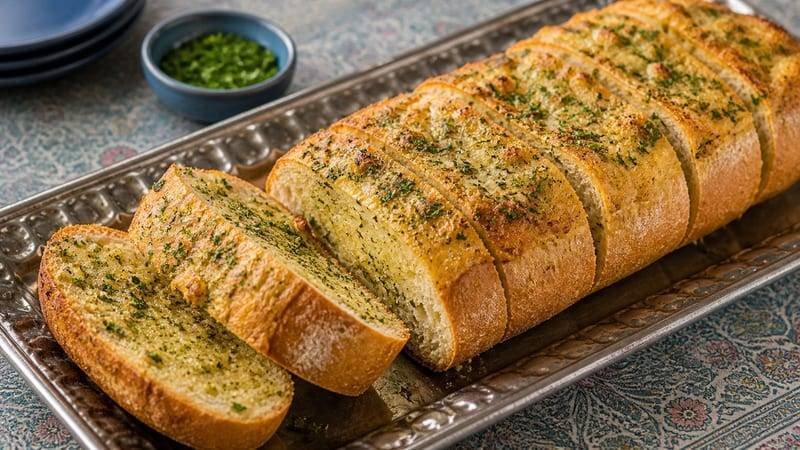
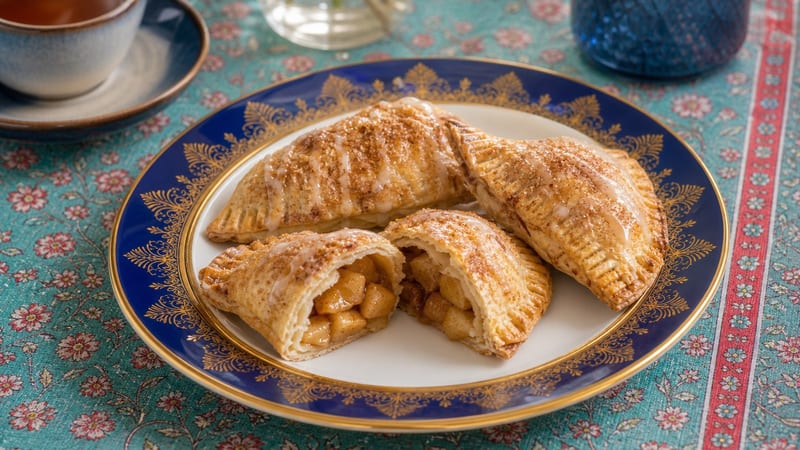
Pair this recipe with a side, bread, and something sweet from the FAFO Kitchen.

More Like This
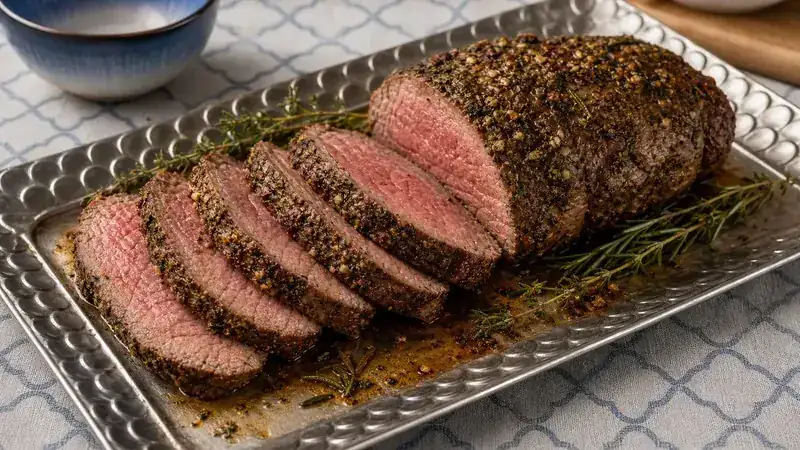
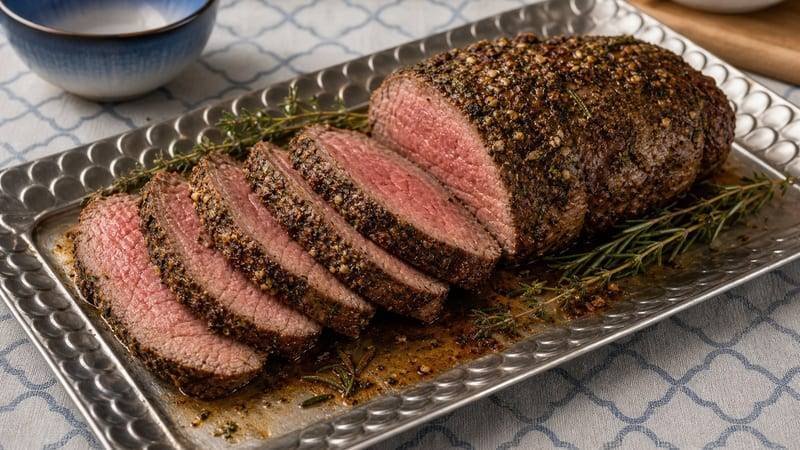 Herb-Crusted Beef TenderloinSame main ingredient: Beef
 Pan-Seared Ribeye SteakSame main ingredient: Beef
 Roasted Garlic Taleggio Filet MignonSame main ingredient: Beef
 Southern Chicken-Fried Steak with Black Pepper GravySame main ingredient: Beef
You Might Also Like


Finish With Dessert
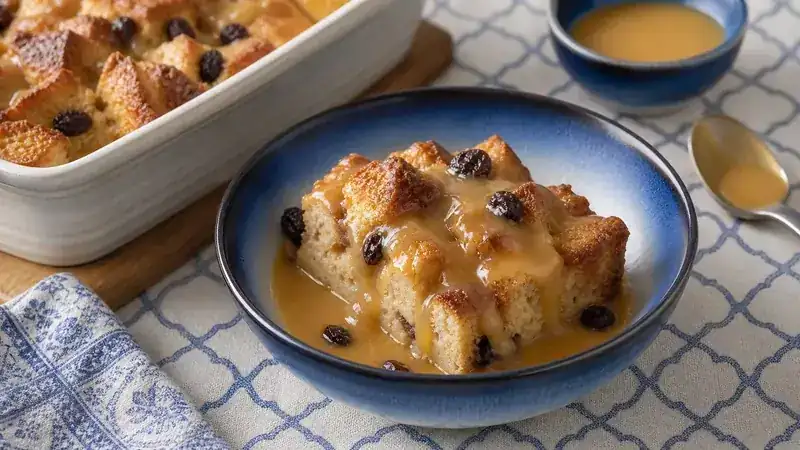
Try this next
Bread Pudding
View recipe →