
Butter Chicken
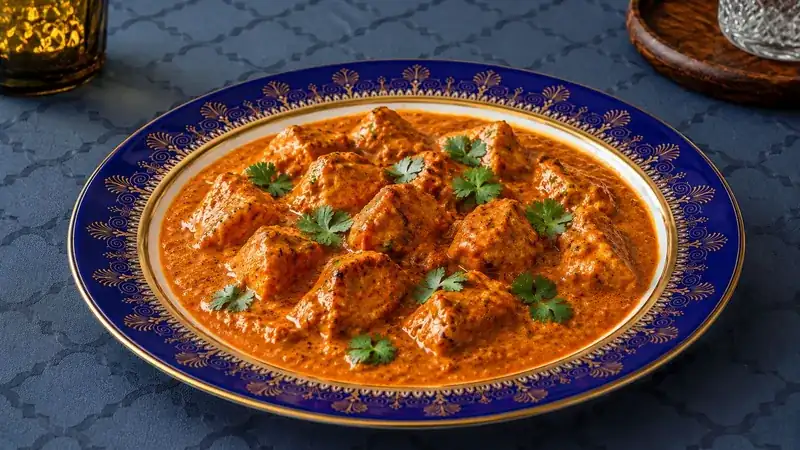
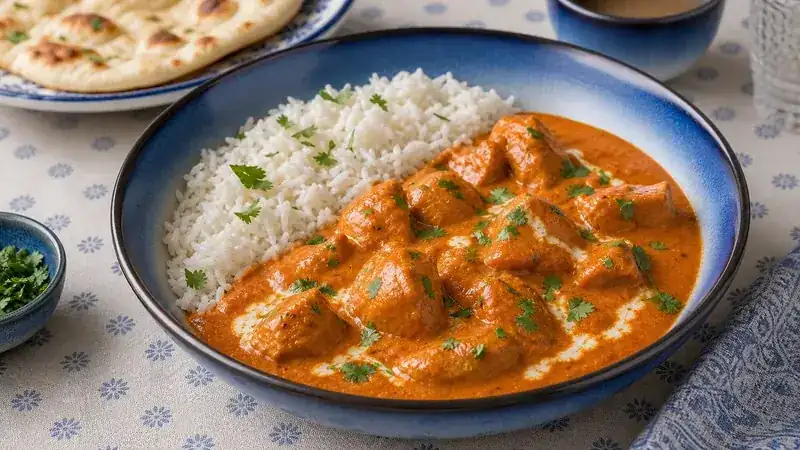
Butter chicken is made by marinating chicken in spiced yogurt, searing it, then simmering it in a rich tomato-cream sauce seasoned with garam masala, fenugreek, and butter. The whole dish comes together in about an hour and is best served over basmati rice or with naan.
Butter chicken earns its richness in stages. The chicken thighs first sit in whole-milk yogurt, lemon, turmeric, garam masala, cumin, and Kashmiri chile, which seasons the meat before it ever sees the skillet. Then the pieces get seared in batches until they pick up charred spots. That browning matters: if all the chicken goes into the pan at once, it steams, and nobody has ever looked at pale steamed chicken and whispered, “This is going extremely well.”
The sauce builds in the same deliberate way. Onion gets time to turn soft and golden, garlic and ginger follow, tomato paste cooks briefly, and the second round of spices blooms in the fat before crushed tomatoes go in. Only after the tomatoes have simmered down does the chicken return to finish cooking to 165°F.
Heavy cream and the remaining butter go in over low heat at the end, along with crushed dried fenugreek leaves. That last ingredient is small but important—it gives the sauce a distinct aromatic finish that keeps the tomato, dairy, and warm spices from tasting like three separate ideas sharing a pan. Served with basmati rice or naan, this is creamy, warmly spiced, tomato-rich comfort food with enough structure underneath the butter to make every spoonful count.
Ingredients
- 2 lbs boneless, skinless chicken thighs, cut into 1.5-inch pieces
- 1 cup plain whole-milk yogurt
- 1 tablespoon lemon juice
- 1 teaspoon turmeric
- 1 teaspoon garam masala
- 1 teaspoon cumin
- 1 teaspoon Kashmiri red chili powder (or mild paprika)
- 1 teaspoon salt
- 3 tablespoons neutral oil, divided
- 3 tablespoons unsalted butter, divided
- 1 medium yellow onion, finely diced
- 6 garlic cloves, minced
- 1 tablespoon fresh ginger, grated
- 1 tablespoon tomato paste
- 1 teaspoon garam masala
- 1 teaspoon cumin
- 1 teaspoon coriander
- 1/2 teaspoon turmeric
- 1/2 teaspoon Kashmiri red chili powder
- 1 can (28 oz) crushed tomatoes
- 1 teaspoon sugar
- 1 cup heavy cream
- 1 tablespoon dried fenugreek leaves (kasuri methi), crushed between your palms
- Salt to taste
- Fresh cilantro, for serving
- Basmati rice or naan, for serving
Instructions
- 1In a large bowl, combine the yogurt, lemon juice, turmeric, garam masala, cumin, Kashmiri chili powder, and salt. Add the chicken pieces and toss until fully coated. Cover and refrigerate for at least 1 hour, or up to 8 hours. Don't skip this — it's doing real work.
- 2When you're ready to cook, heat 2 tablespoons of oil in a large skillet or Dutch oven over medium-high heat. Working in two batches so you're not crowding the pan, sear the marinated chicken pieces for 3–4 minutes per side until charred in spots. The chicken doesn't need to be fully cooked through yet. Remove and set aside.
- 3In the same pan, reduce heat to medium. Add 1 tablespoon butter and the remaining 1 tablespoon oil. Add the diced onion and cook, stirring occasionally, for 8–10 minutes until soft and golden at the edges.
- 4Add the garlic and ginger. Cook for 2 minutes, stirring constantly, until fragrant. Add the tomato paste and cook for 1 more minute, pressing it into the onion mixture.
- 5Add the garam masala, cumin, coriander, turmeric, and chili powder. Stir and cook for 1 minute — you want the spices to bloom in the fat before the tomatoes go in. The kitchen should start smelling like something is actually happening.
- 6Pour in the crushed tomatoes and add the sugar. Stir everything together, bring to a gentle simmer, and cook uncovered for 15 minutes, stirring occasionally, until the sauce has thickened and deepened in color.
- 7Return the seared chicken to the pan. Stir to coat, cover partially, and cook on medium-low heat for 10–12 minutes until the chicken is fully cooked through (internal temperature of 165°F).
- 8Reduce the heat to low. Add the remaining 2 tablespoons of butter and the heavy cream. Stir gently until fully incorporated. Do not let it boil. Add the crushed fenugreek leaves and stir. Taste and adjust salt.
- 9Let the sauce rest off heat for 5 minutes before serving. Serve over basmati rice or with warm naan, topped with fresh cilantro.
Nutrition Information
Estimated per serving: 1 of 4 servings.
Estimated from the ingredients and quantities in this recipe using standard food-composition values. Brand choices, trimming, cooking loss, optional ingredients, and actual portion size can change the numbers. How we calculate nutrition estimates.
Pro Tips
- Use chicken thighs, not breasts. Thighs stay juicy through the long simmer in a way that chicken breasts simply refuse to do, like a guest who leaves the party early no matter what you do.
- Crush the dried fenugreek leaves (kasuri methi) between your palms before adding them. This releases the oils and makes the flavor about three times stronger. It's the step that makes the sauce taste like a restaurant made it.
- If your sauce looks too thick before you add the cream, add a splash of water or chicken broth a tablespoon at a time. If it's too thin after the cream, just simmer it gently — uncovered — for a few extra minutes. Either direction is fixable, and that's the nicest thing I can say about this recipe.
Substitutions
Storage Instructions
Store leftovers in an airtight container in the refrigerator for up to 4 days. The sauce thickens considerably when cold — reheat gently on the stovetop over medium-low heat with a splash of water or cream to loosen it. Butter chicken also freezes well for up to 3 months; thaw overnight in the refrigerator before reheating.
Make Ahead
The chicken can be marinated up to 8 hours in advance. The full dish can be made 1–2 days ahead and refrigerated — the flavor improves overnight as the spices deepen. Reheat gently on the stovetop over medium-low heat, stirring occasionally, and add a splash of cream or water if the sauce has thickened too much.
Make It a Meal
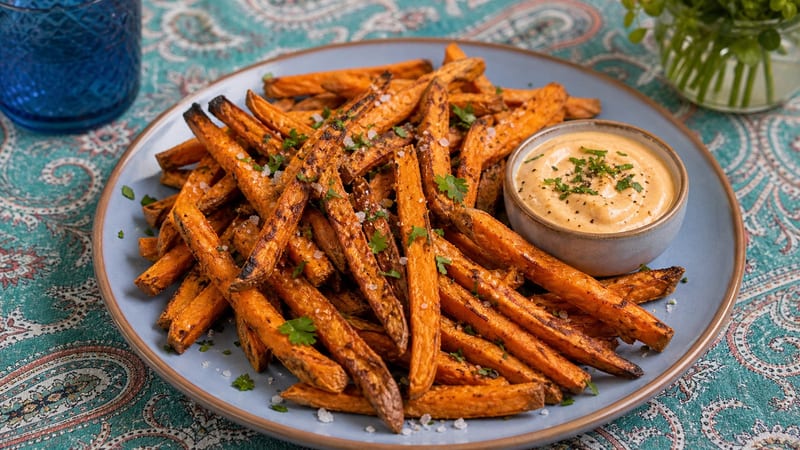
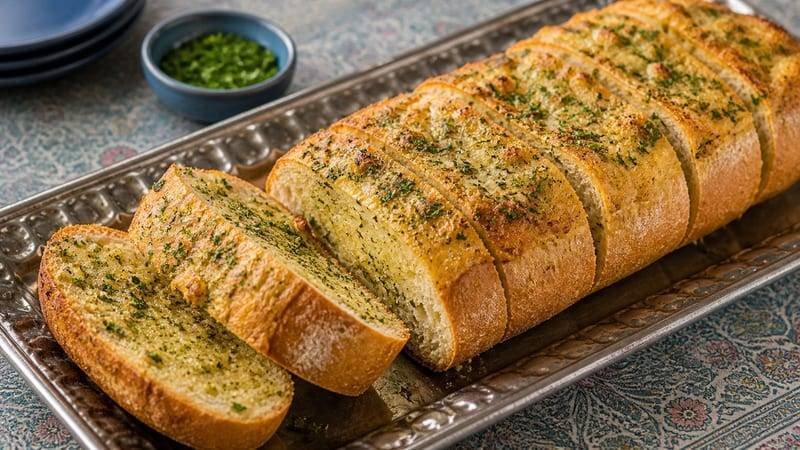
Pair this recipe with a side, bread, and something sweet from the FAFO Kitchen.

More Like This
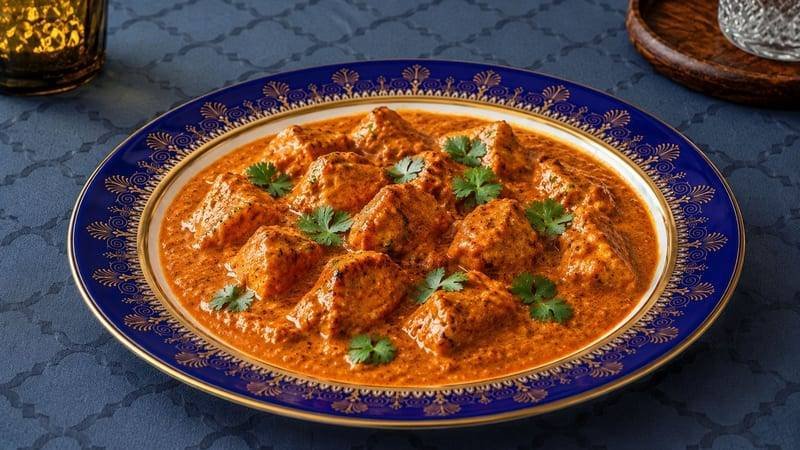 Chicken Tikka MasalaBoth feature Chicken Thigh
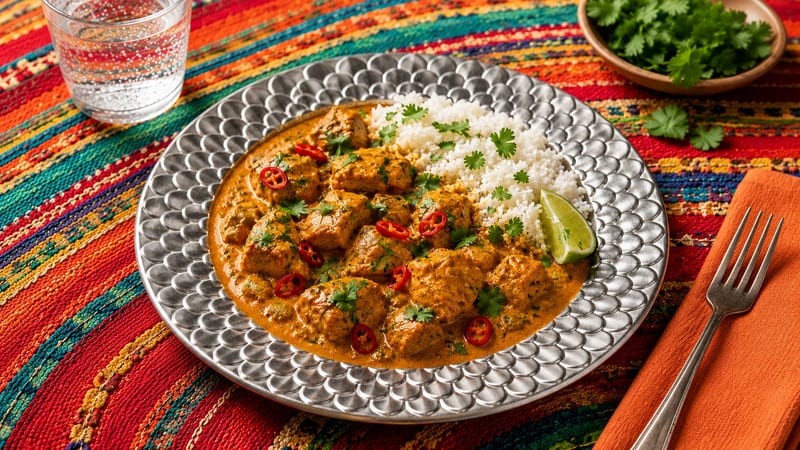 One-Pan Coconut Curry ChickenBoth feature Chicken Thigh
 Chicken Tinga TostadasBoth feature Chicken Thigh
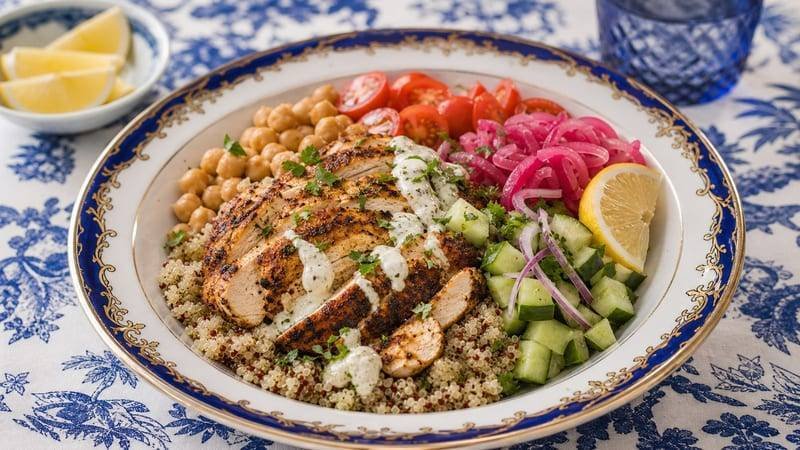 Chicken Shawarma Quinoa BowlsBoth feature Chicken Thigh