
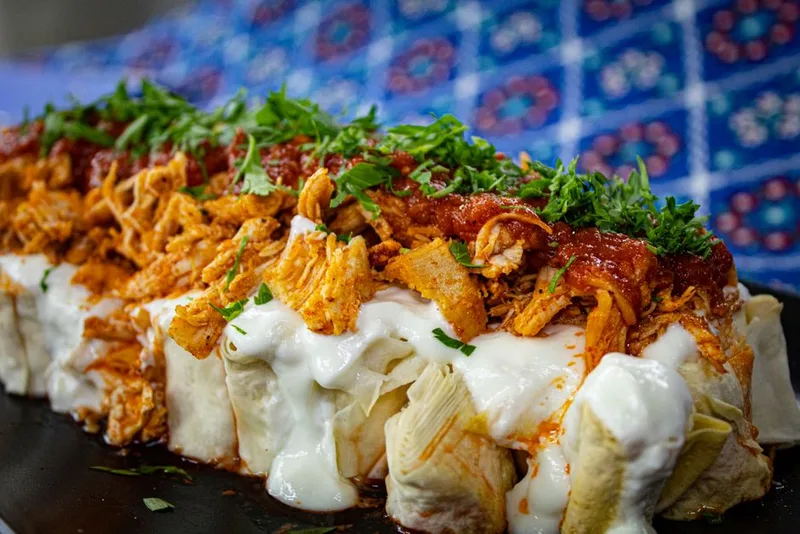
Chicken Enchiladas
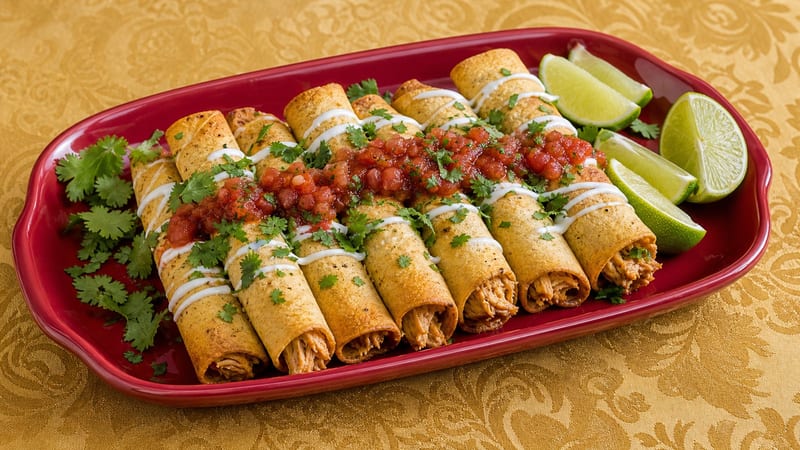
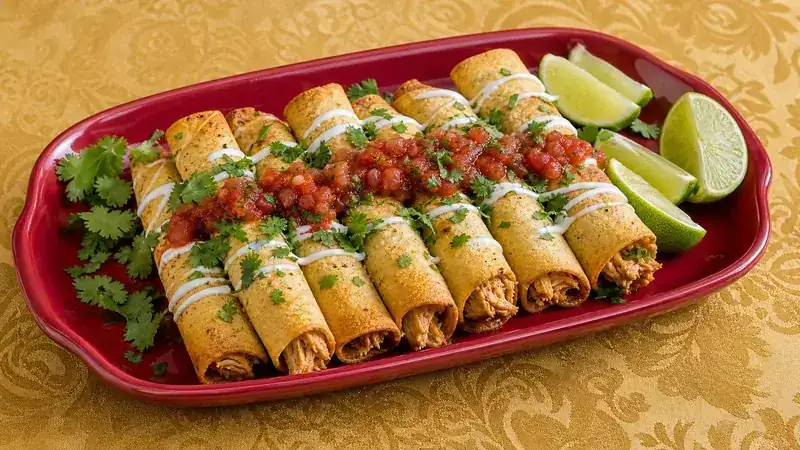
Jump to RecipeChicken enchiladas have one recurring enemy, and it is a cold corn tortilla with misplaced confidence. Try to roll one straight from the package and it cracks, splits, and leaves you holding a chicken taco that has given up on its future. A quick warm-up in a little oil makes each tortilla pliable enough to wrap around seasoned shredded chicken, onion, cheese, and a measured amount of red enchilada sauce.
Measured matters. The filling gets enough sauce to stay moist, but not so much that the tortillas dissolve from the inside. More sauce goes underneath and over the rolled enchiladas, then the remaining cheese covers the top before everything bakes at 375°F until bubbling and browned in spots.Give the pan five minutes to settle before serving. That short rest helps the filling and melted cheese stay where you put them, which is useful if the goal was enchiladas rather than a very committed casserole. Rotisserie chicken keeps the prep practical, and toppings like sour cream, cilantro, cotija, onion, or jalapeño let everybody finish their own plate. The whole method is less about fancy ingredients than respecting the tortilla enough to warm it first.
Ingredients
- 2 cups cooked shredded chicken (rotisserie works perfectly)
- 8 corn tortillas (6-inch)
- 2 cups shredded Mexican blend cheese, divided
- 1 can (28 oz) red enchilada sauce, divided
- 1/2 cup diced yellow onion
- 1 teaspoon ground cumin
- 1 teaspoon garlic powder
- 1/2 teaspoon smoked paprika
- 1/2 teaspoon kosher salt
- 1/4 teaspoon black pepper
- 2 tablespoons neutral oil (vegetable or canola), for warming tortillas
- Optional toppings: sour cream, chopped fresh cilantro, diced white onion, sliced jalapeño, crumbled cotija cheese
Instructions
- 1Preheat your oven to 375°F. Lightly grease a 9x13-inch baking dish and spread 1/2 cup of the enchilada sauce across the bottom in an even layer. This keeps the enchiladas from sticking and gives the bottoms something to cook in.
- 2In a medium bowl, combine the shredded chicken, diced onion, cumin, garlic powder, smoked paprika, salt, and pepper. Stir in 1/2 cup of the enchilada sauce and 3/4 cup of the shredded cheese. Mix until the chicken is evenly coated. Taste it — this is the moment to adjust salt.
- 3Warm the tortillas so they roll without cracking. Heat the oil in a small skillet over medium heat. Working one at a time, place each tortilla in the skillet for about 15–20 seconds per side, just until pliable and lightly heated. Transfer each to a paper-towel-lined plate. Do not skip this step. The tortillas will crack if you skip this step.
- 4Spoon about 1/4 cup of the chicken mixture down the center of each warmed tortilla. Roll it tightly and place it seam-side down in the prepared baking dish. Repeat with all 8 tortillas, fitting them snugly in a single row.
- 5Pour the remaining enchilada sauce evenly over the top of all the rolled enchiladas. Make sure the sauce reaches the edges so the tortillas don't dry out.
- 6Sprinkle the remaining 1 1/4 cups of shredded cheese evenly over the top.
- 7Bake uncovered at 375°F for 20–25 minutes, until the cheese is fully melted, bubbling at the edges, and beginning to brown in spots on top.
- 8Remove from the oven and let rest for 5 minutes before serving. Add your toppings — sour cream, cilantro, cotija, or whatever you've got — and serve directly from the dish.
Nutrition Information
Estimated per serving: 1 of 4 servings.
Estimated from the ingredients and quantities in this recipe using standard food-composition values. Brand choices, trimming, cooking loss, optional ingredients, and actual portion size can change the numbers. How we calculate nutrition estimates.
Pro Tips
- Rotisserie chicken is not laziness. It is the correct decision. The meat is already seasoned, already tender, and it pulls apart exactly how you need it to. I say this as someone who once poached plain chicken breasts for enchiladas and spent an extra 45 minutes on nothing.
- Don't drown the filling in sauce before baking — the 1/2 cup mixed into the chicken is enough to keep it moist. The rest goes on top where it belongs. Too much sauce in the filling makes the tortillas disintegrate, which is how you end up calling it a casserole.
- If the cheese on top is browning faster than you'd like before the dish is fully heated through, loosely tent it with foil for the last 5 minutes. That skillet had opinions. This foil does not — it just does its job.
Substitutions
Storage Instructions
Store leftover enchiladas covered tightly in the baking dish or transferred to an airtight container in the refrigerator for up to 4 days. Reheat individual portions in the microwave for 1–2 minutes or return the whole dish to a 350°F oven covered with foil for 15–20 minutes. Enchiladas can be frozen after baking — cool completely, wrap tightly, and freeze for up to 3 months. Thaw overnight in the refrigerator before reheating.
Make Ahead
Assemble the enchiladas completely — filled, rolled, sauced, and cheesed — then cover tightly with plastic wrap and refrigerate for up to 24 hours before baking. Remove from the refrigerator 20 minutes before baking to take the chill off, then bake as directed, adding 5 minutes to the cook time.
Frequently Asked Questions
Can I make Chicken Enchiladas ahead of time?
Assemble the enchiladas completely — filled, rolled, sauced, and cheesed — then cover tightly with plastic wrap and refrigerate for up to 24 hours before baking. Remove from the refrigerator 20 minutes before baking to take the chill off, then bake as directed, adding 5 minutes to the cook time.
How do I store leftover Chicken Enchiladas?
Store leftover enchiladas covered tightly in the baking dish or transferred to an airtight container in the refrigerator for up to 4 days. Reheat individual portions in the microwave for 1–2 minutes or return the whole dish to a 350°F oven covered with foil for 15–20 minutes. Enchiladas can be frozen after baking — cool completely, wrap tightly, and freeze for up to 3 months. Thaw overnight in the refrigerator before reheating.
Can I freeze Chicken Enchiladas after cooking?
Yes. See the storage section on this page for exact freezing and thawing directions — most versions of Chicken Enchiladas freeze well for up to 2–3 months when cooled fully first and portioned into airtight containers.
What substitutions work in Chicken Enchiladas?
Tested swaps for this recipe: corn tortillas: flour tortillas (8-inch). Flour tortillas don't require warming to roll, but they will get softer under the sauce — some people love this, some people don't. canned red enchilada sauce: homemade red chile sauce. Use 3 cups if making from scratch; Hatch or ancho-based sauces work especially well.
What's the most common mistake when making Chicken Enchiladas?
Rotisserie chicken is not laziness. It is the correct decision. The meat is already seasoned, already tender, and it pulls apart exactly how you need it to. I say this as someone who once poached plain chicken breasts for enchiladas and spent an extra 45 minutes on nothing.
Make It a Meal
Pair this recipe with a side, bread, and something sweet from the FAFO Kitchen.