

Chimichurri
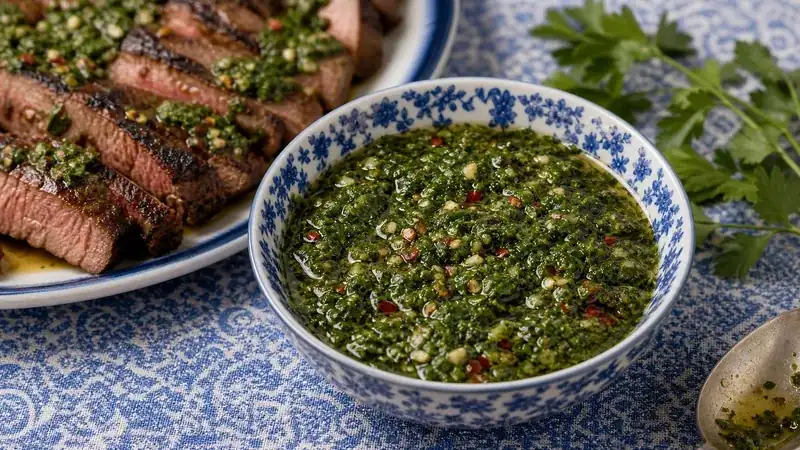
Chimichurri is made by finely chopping fresh parsley, garlic, oregano, and red pepper flakes, then stirring in red wine vinegar and olive oil until combined. It takes about 10 minutes and requires no cooking — just a sharp knife or a food processor and a little patience with the garlic.
Chimichurri should look like chopped herbs suspended in olive oil, not a green smoothie that recently became interested in steak. That is why the parsley and oregano are chopped by hand here. Keeping the herbs in small, distinct pieces gives the sauce texture and keeps the olive oil, red wine vinegar, garlic, red pepper flakes, salt, and black pepper tasting like individual ingredients that happen to be getting along extremely well.
The vinegar goes in before the oil and gets a short head start on the raw garlic. After everything is stirred together, give the sauce at least 15 minutes at room temperature. That little rest softens the sharp edges and lets the garlic, herbs, chile, and acid settle into something much rounder than the bowl you had five minutes earlier.
Use it on grilled steak, chicken, roasted vegetables, bread, or anything else that could benefit from a loud green sauce with no dairy and no patience for blandness. If refrigerated, the olive oil may firm up; bring it back toward room temperature and stir. Chimichurri is low maintenance, but it does expect you to wake it up before company comes over.
Ingredients
- 1 cup fresh flat-leaf parsley, packed (leaves and tender stems only)
- 4 cloves garlic, minced
- 2 tablespoons fresh oregano leaves (or 2 teaspoons dried)
- 1/2 teaspoon red pepper flakes
- 3 tablespoons red wine vinegar
- 1/2 cup extra-virgin olive oil
- 1/2 teaspoon kosher salt, plus more to taste
- 1/4 teaspoon freshly ground black pepper
Instructions
- 1Finely chop the parsley and fresh oregano by hand with a sharp knife. You want small pieces, not a paste — aim for roughly 1/8-inch bits. This step makes the whole sauce. Do not skip the hand-chopping.
- 2Mince the garlic as fine as you can. If you have a microplane, use it. The garlic should disappear into the sauce, not announce itself in chunks.
- 3Combine the chopped parsley, oregano, and minced garlic in a medium bowl.
- 4Add the red pepper flakes, kosher salt, and black pepper. Stir to combine.
- 5Add the red wine vinegar and stir. Let it sit for two minutes — the vinegar starts to soften the garlic's raw edge.
- 6Pour in the olive oil and stir everything together until well combined. The sauce should look loose and chunky, not smooth.
- 7Taste and adjust. More salt, more vinegar, more red pepper — this is yours now. Let it rest at room temperature for at least 15 minutes before serving so the flavors can introduce themselves to each other properly.
Nutrition Information
Estimated per serving: 1 of 8 servings.
Estimated from the ingredients and quantities in this recipe using standard food-composition values. Brand choices, trimming, cooking loss, optional ingredients, and actual portion size can change the numbers. How we calculate nutrition estimates.
Pro Tips
- Use flat-leaf Italian parsley, not curly. Curly parsley has a bitterness that will make your chimichurri taste like it has something to prove.
- Let the sauce sit at room temperature for at least 15 minutes before serving. Fresh chimichurri is good. Chimichurri that has had a few minutes to think about what it wants to be is significantly better.
- If you make it ahead and refrigerate it, the olive oil will solidify. Pull it out 20-30 minutes before you need it and give it a stir. It will come back around. The sauce knows what it's doing.
Substitutions
Storage Instructions
Store in an airtight jar or container in the refrigerator for up to 2 weeks. The oil will solidify when cold — bring to room temperature for 20-30 minutes and stir before serving. The flavor actually deepens after the first day.
Make Ahead
Chimichurri is an excellent make-ahead sauce. Make it up to 3 days in advance and refrigerate. The garlic mellows and the herbs bloom into the oil in a way that honestly improves the sauce. Just don't add salt until the day you're serving — salting too early can turn the parsley dull.
Freezing
Yes. Freeze chimichurri in small airtight portions so you can thaw only what you need. Thaw it in the refrigerator, then let the olive oil loosen at room temperature and stir well before serving.
Frequently Asked Questions
Can I make Chimichurri ahead of time?
Yes. Chimichurri is an excellent make-ahead sauce. Make it up to 3 days in advance and refrigerate. The garlic mellows and the herbs bloom into the oil in a way that honestly improves the sauce. Just don't add salt until the day you're serving — salting too early can turn the parsley dull.
How do I store leftover Chimichurri?
Store in an airtight jar or container in the refrigerator for up to 2 weeks. The oil will solidify when cold — bring to room temperature for 20-30 minutes and stir before serving. The flavor actually deepens after the first day.
Can I freeze leftover Chimichurri?
Yes. Freeze chimichurri in small airtight portions so you can thaw only what you need. Thaw it in the refrigerator, then let the olive oil loosen at room temperature and stir well before serving.
What substitutions work in Chimichurri?
Tested swaps for this recipe: fresh oregano: dried oregano. Use 2 teaspoons dried in place of 2 tablespoons fresh. Dried oregano is actually traditional in many Argentine versions and works beautifully here. red wine vinegar: sherry vinegar or fresh lemon juice. Sherry vinegar gives a slightly nuttier tang. Lemon juice works in a pinch but makes the sauce brighter and less complex — still very good.
What's the most common mistake when making Chimichurri?
Use flat-leaf Italian parsley, not curly. Curly parsley has a bitterness that will make your chimichurri taste like it has something to prove.
How long does it take to make Chimichurri?
About 10 minutes from start to finish — including 0 minutes of active cooking.
More Like This
You Might Also Like




Finish With Dessert
Try this next
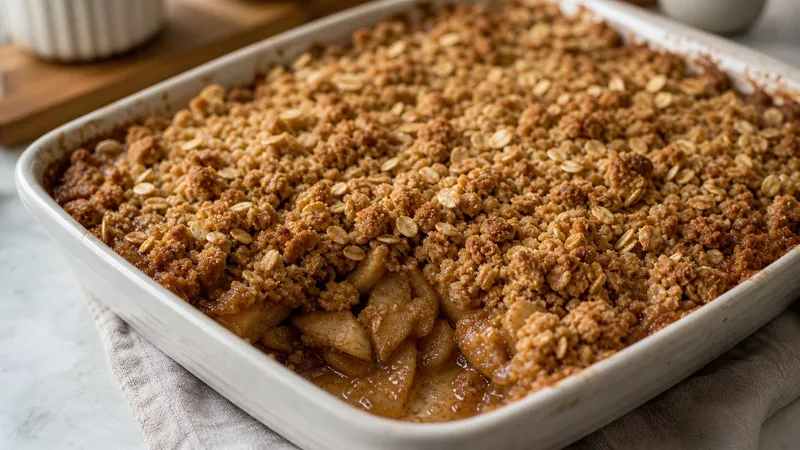
Apple Crisp
View recipe →