

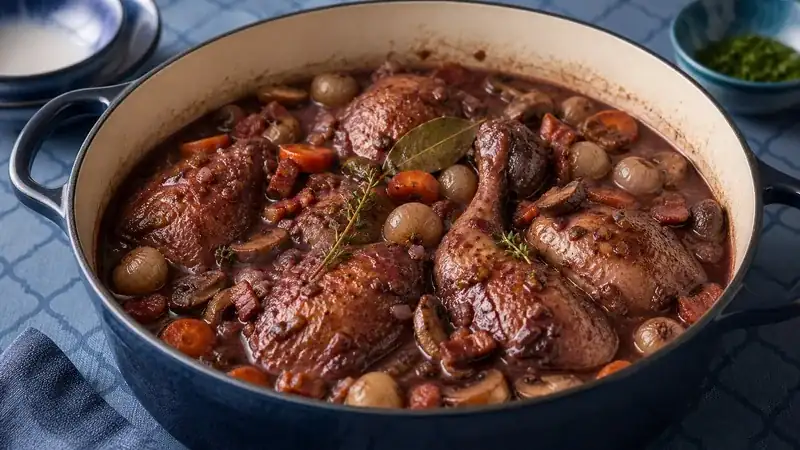
Coq au Vin
Coq au vin is made by browning chicken pieces, then braising them low and slow in red wine with bacon, mushrooms, pearl onions, and herbs until the meat is fall-off-the-bone tender and the sauce is deeply reduced. The whole process takes about 90 minutes and rewards patience at every step.
Coq au vin has a reputation for being fancy because it is French and contains an entire bottle of wine. In practical terms, it is a very good chicken braise built from techniques your Dutch oven already understands: render bacon, brown chicken, cook vegetables, deglaze, simmer slowly, then reduce the liquid until it behaves like sauce.
Drying the chicken before it hits the pot is one of the important details. Moist skin steams; dry skin browns. Once the bacon fat and olive oil have given the chicken a deep crust, pearl onions and cremini mushrooms take their turn, followed by garlic, tomato paste, flour, red wine, chicken stock, thyme, and bay leaves. The chicken goes back in with the bacon and simmers gently until it reaches 165°F and is fork-tender.
Then the bird comes out again while the braising liquid reduces. Cold butter swirled in off the heat gives the sauce a glossy finish and rounds out the wine without turning it heavy. Use a dry red you would willingly drink, because almost a whole bottle ends up in dinner. This is not the moment to clear out that mysterious wine somebody left at your house after New Year's.
Ingredients
- 3.5 lbs bone-in, skin-on chicken thighs and drumsticks (about 8 pieces)
- Kosher salt and freshly ground black pepper
- 6 oz thick-cut bacon, cut into lardons (½-inch pieces)
- 2 tablespoons olive oil
- 1 cup pearl onions, fresh or frozen and thawed
- 10 oz cremini mushrooms, quartered
- 4 garlic cloves, minced
- 2 tablespoons tomato paste
- 1 bottle (750ml) dry red wine (Burgundy, Pinot Noir, or Côtes du Rhône)
- 1 cup low-sodium chicken stock
- 1 tablespoon fresh thyme leaves (or 1 teaspoon dried)
- 2 bay leaves
- 2 tablespoons all-purpose flour
- 2 tablespoons unsalted butter, cold, cut into pieces
- Fresh flat-leaf parsley, chopped, for serving
Instructions
- 1Pat the chicken pieces completely dry with paper towels and season generously on all sides with kosher salt and black pepper. Dry chicken browns; wet chicken steams. This distinction matters more than you think.
- 2In a large Dutch oven or heavy-bottomed braising pot, cook the bacon lardons over medium heat until the fat renders and the bacon is golden and crispy, about 6-8 minutes. Remove the bacon with a slotted spoon and set aside, leaving the fat in the pot.
- 3Add the olive oil to the bacon fat and increase the heat to medium-high. Working in batches, sear the chicken pieces skin-side down for 4-5 minutes without moving them, until deeply golden. Flip and sear the other side for 3 minutes. Remove and set aside. Do not crowd the pan — crowding is what makes the sear a sadness.
- 4Reduce the heat to medium. Add the pearl onions to the pot and cook, stirring occasionally, until lightly browned, about 4 minutes. Add the mushrooms and cook until they release their liquid and begin to brown, about 5 minutes. Add the garlic and cook for 1 minute until fragrant.
- 5Stir in the tomato paste and cook for 2 minutes, letting it darken slightly. Sprinkle the flour over the vegetables and stir to coat evenly. Cook for 1 more minute.
- 6Pour in the entire bottle of red wine and the chicken stock. Scrape up any browned bits stuck to the bottom of the pot — those are flavor and they belong in the sauce. Add the thyme and bay leaves.
- 7Return the chicken pieces to the pot, nestling them in so they're mostly submerged. Add the reserved bacon. Bring the liquid to a gentle boil, then reduce the heat to low, cover with the lid slightly ajar, and simmer for 45-55 minutes, until the chicken is cooked through and tender enough that a fork slides in without argument. Cook poultry until the thickest piece reaches 165°F on an instant-read thermometer.
- 8Remove the chicken pieces and set aside. Discard the bay leaves. Increase the heat to medium-high and let the braising liquid reduce, uncovered, for 10-15 minutes until it coats the back of a spoon. The sauce should be glossy and noticeably thicker.
- 9Remove from heat and swirl in the cold butter pieces one at a time until the sauce is silky and glossy. Taste and adjust seasoning with salt and pepper. Return the chicken to the pot.
- 10Serve directly from the pot, garnished with chopped fresh parsley, alongside crusty bread, egg noodles, or mashed potatoes to catch the sauce.
Nutrition Information
Estimated per serving: 1 of 4 servings.
Estimated from the ingredients and quantities in this recipe using standard food-composition values. Brand choices, trimming, cooking loss, optional ingredients, and actual portion size can change the numbers. How we calculate nutrition estimates.
Pro Tips
- Use a wine you'd actually drink. It doesn't need to be expensive — an $12 bottle of Pinot Noir is entirely correct — but it needs to taste like wine, not like a decision you regret.
- The cold butter at the end (a technique called monter au beurre) is not optional if you want that glossy, restaurant-quality sauce. Add it off the heat, swirl each piece in until it disappears, and don't let the sauce boil again after.
- This dish genuinely improves overnight. The sauce deepens, the chicken relaxes, and everything gets along better after a night in the refrigerator, which is more than I can say for most things.
Substitutions
Storage Instructions
Store leftover coq au vin in an airtight container in the refrigerator for up to 4 days. Reheat gently on the stovetop over low heat with a splash of chicken stock to loosen the sauce. Freezes well for up to 3 months — thaw overnight in the refrigerator before reheating.
Make Ahead
Coq au vin is an ideal make-ahead dish. Cook it fully, cool completely, and refrigerate for up to 2 days before serving. Reheat covered in a 325°F oven for 25-30 minutes or gently on the stovetop. The flavor genuinely improves after a day, so making it ahead is not a compromise — it's a strategy.
Frequently Asked Questions
Can I make this ahead of time?
Coq au Vin can be cooked a day ahead. Cool it promptly, refrigerate it covered, then reheat gently until hot; hold back fresh herbs, crunchy toppings, dairy swirls, or other finishing garnishes until serving.
How do I store the leftovers?
Store the leftovers in an airtight container in the refrigerator for up to 4 days. Reheat gently on the stovetop over low heat with a splash of chicken stock to loosen the sauce. Freezes well for up to 3 months — thaw overnight in the refrigerator before reheating.
Can I freeze it?
Yes. See the storage section on this page for exact freezing and thawing directions — most versions of Coq au Vin Recipe freeze well for up to 2–3 months when cooled fully first and portioned into airtight containers.
Can I adjust it for what I have on hand?
Yes. Tested adjustments on this recipe include dry red wine → chicken stock with 2 tablespoons balsamic vinegar; pearl onions → 1 medium yellow onion, roughly chopped; and cremini mushrooms → white button mushrooms or a mix of shiitake and cremini.
What's the most common mistake to avoid?
Use a wine you'd actually drink. It doesn't need to be expensive — an $12 bottle of Pinot Noir is entirely correct — but it needs to taste like wine, not like a decision you regret.
Make It a Meal
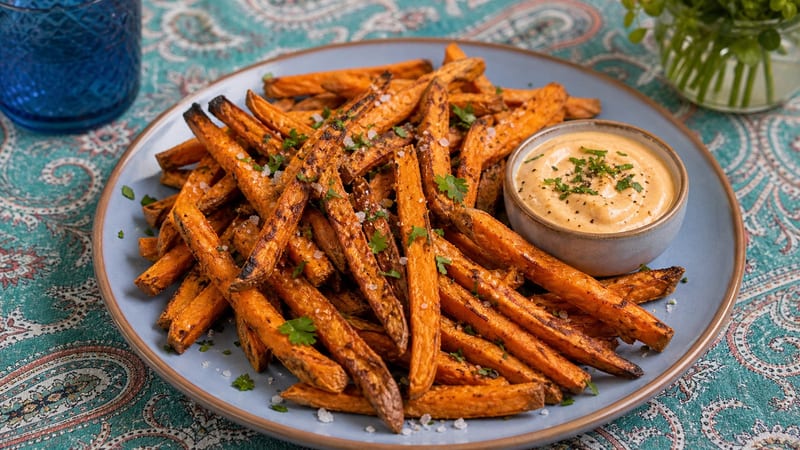
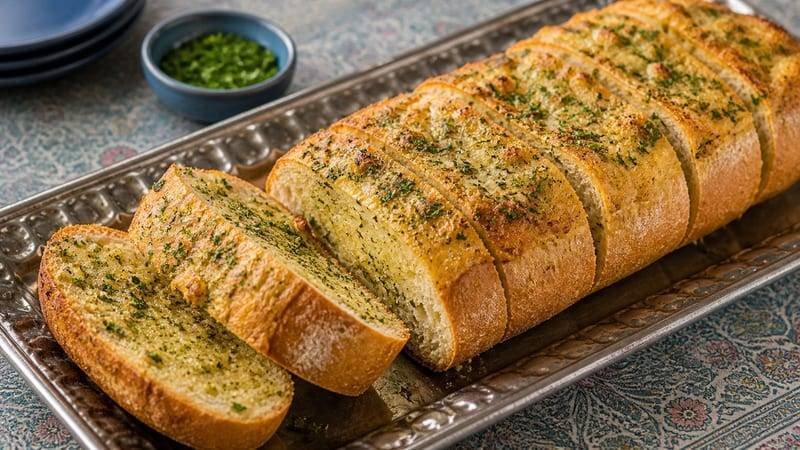
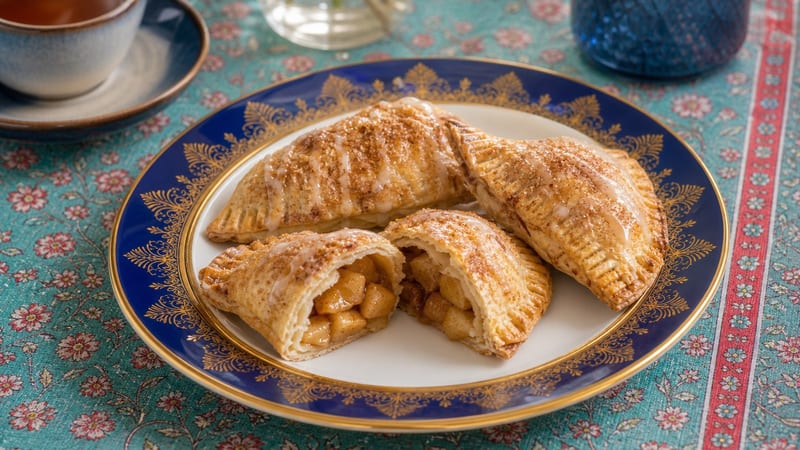
Pair this recipe with a side, bread, and something sweet from the FAFO Kitchen.
More Like This
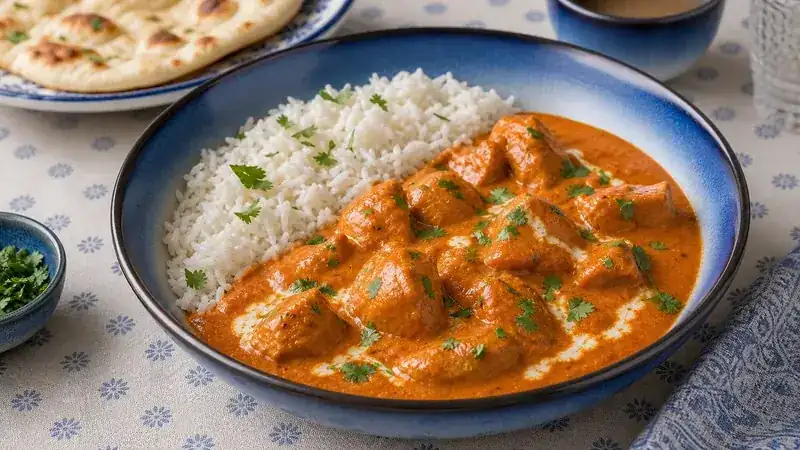
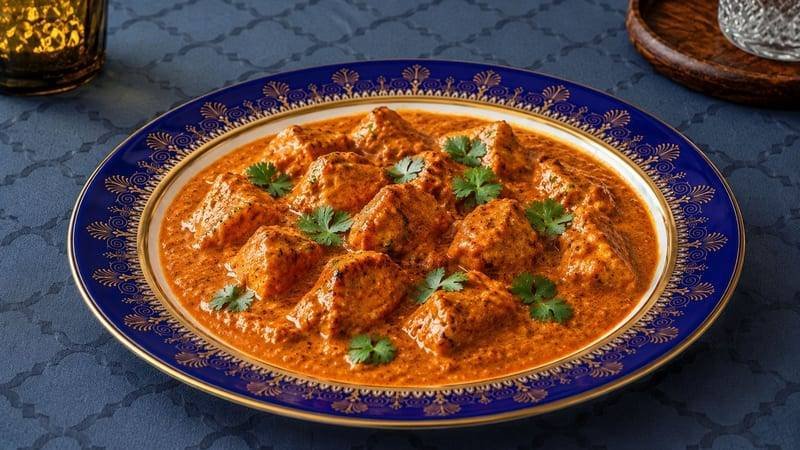 Chicken Tikka MasalaBoth feature Chicken Thigh
 Chicken Pozole VerdeBoth feature Chicken Thigh
 Butter ChickenBoth feature Chicken Thigh
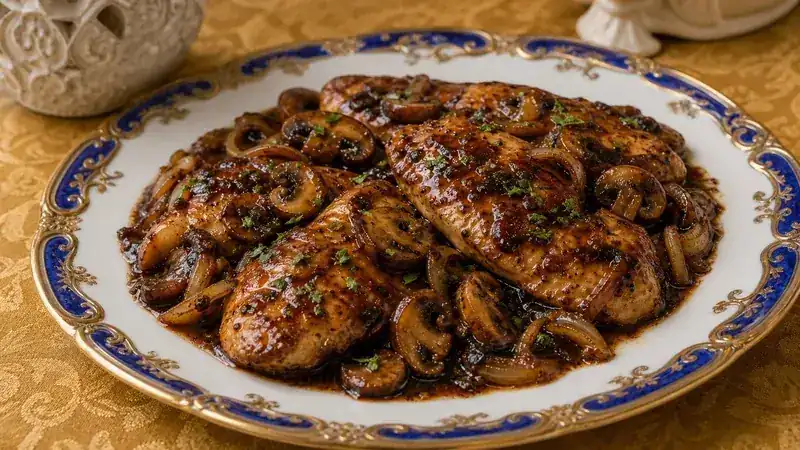
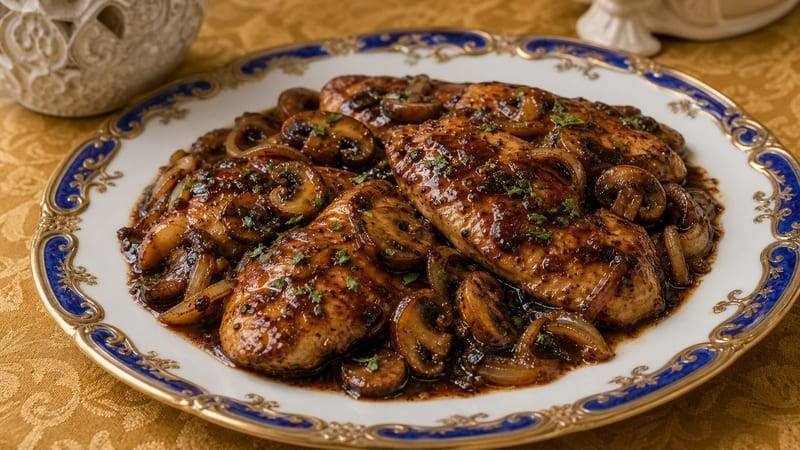 Balsamic Chicken and MushroomsBoth feature Chicken Thigh
You Might Also Like


Finish With Dessert

Try this next
Cranberry Orange Cookies
View recipe →