

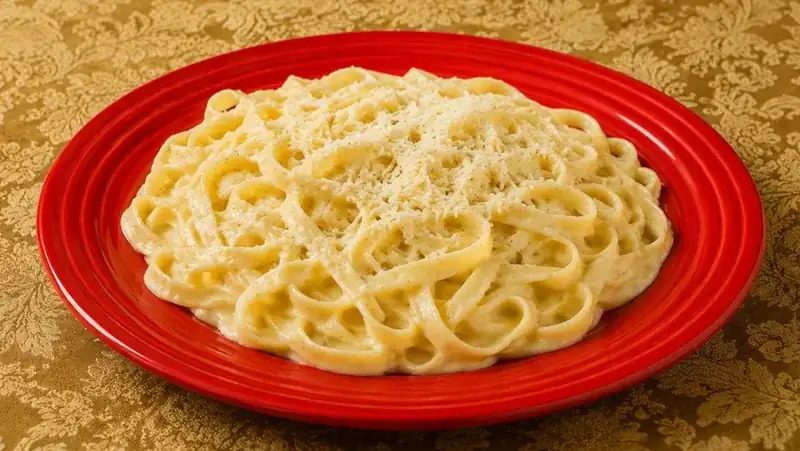
Fettuccine Alfredo
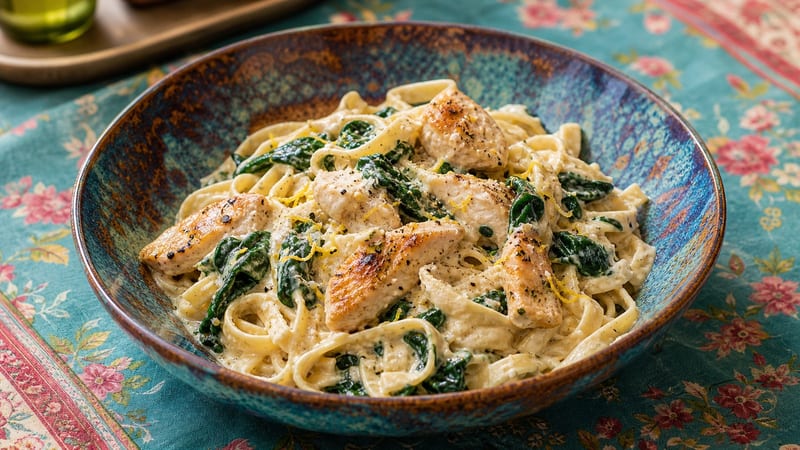
Fettuccine alfredo is made by tossing hot cooked pasta with butter, heavy cream, and freshly grated Parmesan until a silky sauce forms. The key is using starchy pasta water to emulsify the sauce and adding cheese off the heat so it melts smoothly without clumping.
Fettuccine Alfredo should taste like butter, Parmesan, cream, and pasta—not like a jar of white sauce that once saw a picture of Italy. This version keeps the ingredient list focused: fettuccine, butter, heavy cream, freshly grated Parmesan, black pepper, a little nutmeg, and optional garlic. The real work is getting those ingredients to behave like one silky sauce instead of butter floating around a dairy puddle. Freshly grated Parmesan matters because it melts more smoothly, and reserved pasta water matters because its starch helps loosen and emulsify the sauce while still letting it cling to every ribbon of pasta.
The timing is quick enough for a weeknight, but Alfredo rewards attention. The cream and butter need gentle heat, the cheese should go in without being blasted into a clump, and the finished pasta should be tossed with enough cooking water to look glossy rather than stiff. Nutmeg is used in a tiny amount—not enough to announce itself, just enough to make the dairy taste deeper. This is one of those dinners where the pan can go from “that looks a little loose” to “why am I holding a cheese brick?” faster than seems legally fair. Keep the heat controlled, save the pasta water, and serve it immediately while the sauce is still doing exactly what you asked.
Ingredients
- 12 oz dried fettuccine pasta
- 4 tablespoons unsalted butter
- 1 cup heavy cream
- 2 cloves garlic, minced (optional but recommended)
- 1 1/2 cups freshly grated Parmesan cheese (about 4 oz), plus more for serving
- 1/2 teaspoon kosher salt, plus more for pasta water
- 1/2 teaspoon freshly ground black pepper
- 1/8 teaspoon freshly grated nutmeg
- 1/2 cup reserved pasta cooking water
Instructions
- 1Bring a large pot of water to a boil. Salt it generously — it should taste like mild seawater. Cook the fettuccine according to package directions until al dente, usually 10 to 11 minutes. Before draining, scoop out at least 1 cup of the starchy pasta water and set it aside. Drain the pasta but do not rinse it.
- 2While the pasta cooks, melt the butter in a large skillet or wide saucepan over medium heat. If you are using garlic, add it now and cook for 1 minute, stirring, until fragrant but not browned.
- 3Pour in the heavy cream and stir to combine with the butter. Bring the mixture to a gentle simmer over medium heat and cook for 2 to 3 minutes, stirring occasionally, until it thickens slightly and coats the back of a spoon.
- 4Reduce the heat to low. Add the salt, black pepper, and nutmeg. Stir to combine.
- 5Remove the pan from the heat entirely. Add the drained hot pasta directly to the cream sauce and toss well to coat.
- 6Add the grated Parmesan in three additions, tossing vigorously between each addition. The residual heat from the pasta and sauce will melt the cheese smoothly. If the sauce looks too thick or the cheese is clumping, add the reserved pasta water a few tablespoons at a time, tossing as you go, until the sauce is glossy and silky and coats every strand.
- 7Taste and adjust salt and pepper. Serve immediately in warm bowls with extra Parmesan grated on top.
Nutrition Information
Estimated per serving: 1 of 4 servings.
Estimated from the ingredients and quantities in this recipe using standard food-composition values. Brand choices, trimming, cooking loss, optional ingredients, and actual portion size can change the numbers. How we calculate nutrition estimates.
Pro Tips
- Grate your own Parmesan. Pre-shredded Parmesan has anti-caking agents that make it resist melting, which means your sauce goes from silky to grainy faster than you can say 'why is this happening.' A microplane or the fine holes on a box grater are your friends here.
- Save more pasta water than you think you need. I always tell myself half a cup is enough and I am always wrong. Pull at least a full cup before draining.
- The pan comes off the heat before the cheese goes in. This is the rule. Write it on your hand if you have to. The moment I stopped adding Parmesan to a violently hot pan was the moment this dish started working for me, and I only wasted approximately eighteen dollars of cheese learning that lesson.
Substitutions
Storage Instructions
Store leftovers in an airtight container in the refrigerator for up to 3 days. Reheat gently in a skillet over low heat with a splash of cream or milk, stirring constantly, to bring the sauce back together. Do not microwave on high — the sauce will break and the pasta will give up on life.
Make Ahead
The cream sauce can be made up to 2 days ahead and stored in the refrigerator. Reheat gently over low heat, thinning with a splash of cream if needed, before tossing with freshly cooked pasta. The pasta itself is best cooked and combined fresh.
Freezing
I would not freeze finished Fettuccine Alfredo if texture is the priority. The cream-and-Parmesan sauce can separate and the pasta softens after thawing; make the sauce and pasta fresh when possible.
Make It a Meal
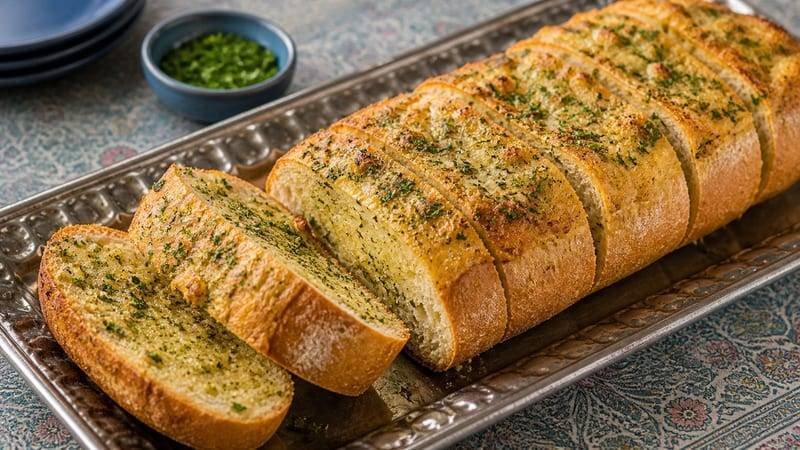
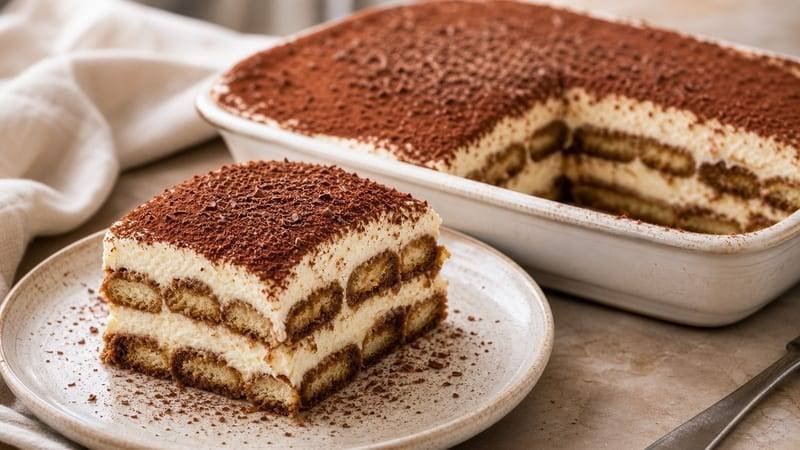
Pair this recipe with a side, bread, and something sweet from the FAFO Kitchen.

More Like This
You Might Also Like

Finish With Dessert
Try this next
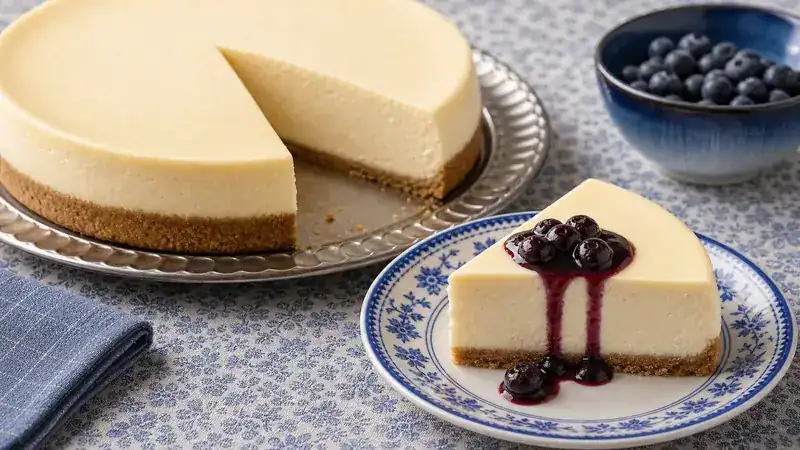
Cheesecake Recipe That Actually Sets (No Cracks, No Drama)
View recipe →