
French Toast
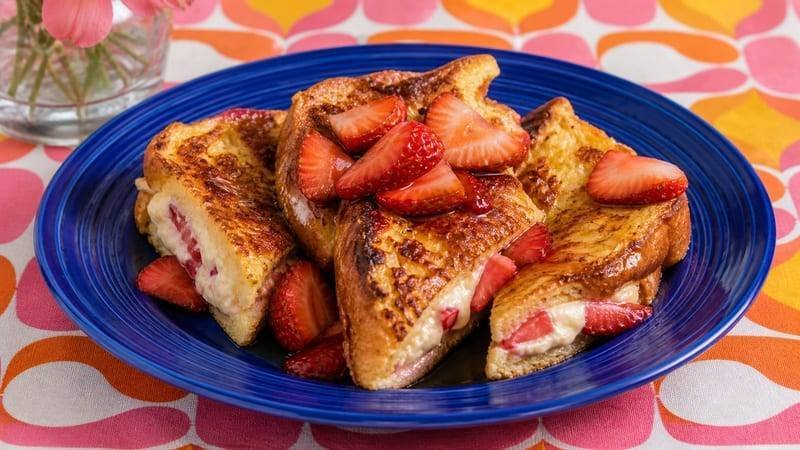
To make french toast, whisk together eggs, milk, vanilla, cinnamon, and a pinch of salt, then soak thick slices of bread for 20–30 seconds per side. Cook in butter over medium heat for 2–3 minutes per side until golden brown and cooked through.
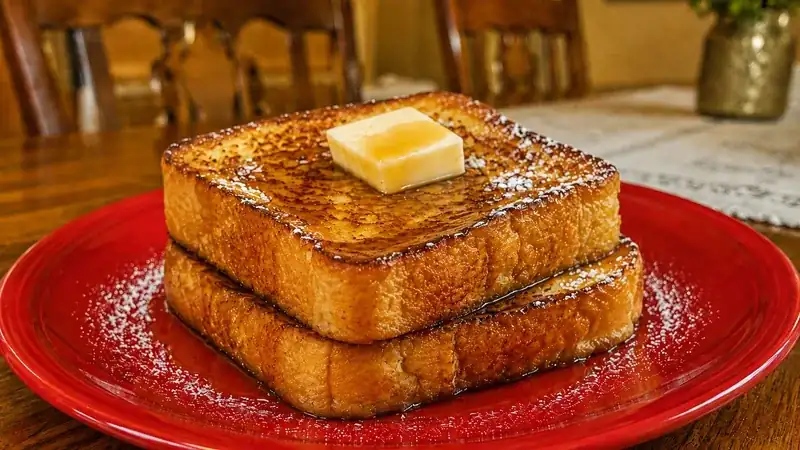
French toast is not supposed to be wet bread wearing powdered sugar as a disguise. Start with thick slices of brioche, challah, or Texas toast—about an inch is ideal—so the bread can absorb a custard of eggs, milk or cream, vanilla, cinnamon, sugar, and salt without collapsing into breakfast pudding. The sugar helps the surface brown, cinnamon and vanilla actually season the center, and a pinch of salt keeps the whole thing from tasting like dessert forgot to finish getting dressed.
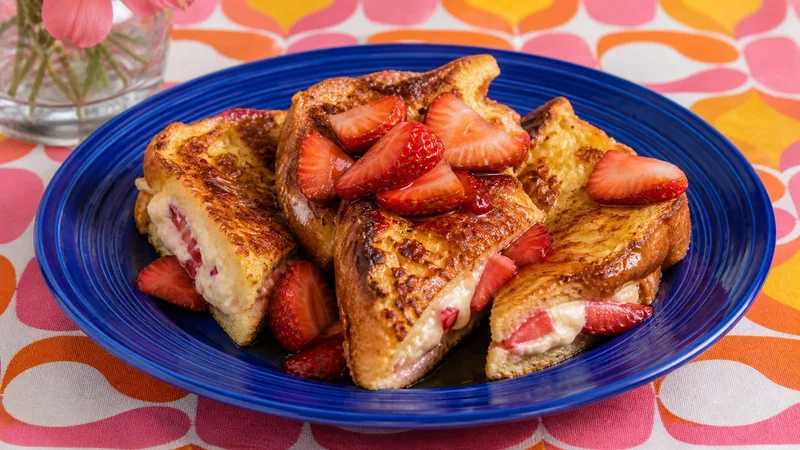
The pan should be hot enough to brown butter and bread steadily but not so hot that the outside burns while the custard remains soft inside. Let each slice soak long enough to take on flavor, then cook in butter until both sides are golden and the middle has set. Maple syrup, berries, and powdered sugar are welcome, but they should be additions, not emergency services. There is something oddly optimistic about French toast: you take bread that may already be a day past its prime, soak it in eggs and cream, fry it in butter, and suddenly everybody acts like this was the plan all along. In this case, it should be.
Ingredients
- 4 slices brioche, challah, or Texas toast (about 1-inch thick)
- 3 large eggs
- 1/3 cup whole milk or heavy cream
- 1 teaspoon pure vanilla extract
- 1/2 teaspoon ground cinnamon
- 1 tablespoon granulated sugar
- Pinch of salt
- 2 tablespoons unsalted butter (divided, for cooking)
- Maple syrup, powdered sugar, or fresh berries for serving
Instructions
- 1In a wide, shallow bowl or baking dish, whisk together the eggs, milk or cream, vanilla extract, cinnamon, sugar, and salt until fully combined and no streaks of egg remain. The mixture should look uniform, not marbled.
- 2Heat a large skillet or griddle over medium heat. Add 1/2 tablespoon of butter and let it melt fully and begin to foam — do not let it brown. Swirl to coat the pan.
- 3While the butter melts, place one slice of bread into the egg mixture. Let it soak for 20–30 seconds, then flip and soak the other side for 20–30 seconds. The bread should absorb the custard without falling apart. Do not oversoak.
- 4Place the soaked bread into the hot skillet. Cook for 2–3 minutes undisturbed until the bottom is deep golden brown. Lift a corner to check — it should look like caramelized toast, not pale yellow.
- 5Flip once and cook the second side for 2–3 minutes. Press the center gently — it should feel set and springy, not wet or squishy.
- 6Transfer to a plate or a 200°F oven to keep warm. Add another 1/2 tablespoon of butter to the pan before each new batch. Repeat with remaining bread slices.
- 7Serve immediately with maple syrup, powdered sugar, fresh berries, or whipped cream. Do not refrigerate and call back later. It won't be the same and you will be disappointed.
Nutrition Information
Estimated per serving: 1 of 4 servings.
Estimated from the ingredients and quantities in this recipe using standard food-composition values. Brand choices, trimming, cooking loss, optional ingredients, and actual portion size can change the numbers. How we calculate nutrition estimates.
Pro Tips
- Use day-old bread if you have it. Fresh bread is softer and absorbs liquid faster, which means it can get soggy before it gets cooked. Slightly stale bread soaks better and holds its shape — it is the correct amount of stubborn.
- Medium heat is not negotiable. Too high and the outside burns before the inside sets. Too low and you get pale, soft, sad toast that tastes like effort with no payoff. If your butter is browning within ten seconds of hitting the pan, turn it down.
- Let the butter foam before adding the bread. If it's not foaming, the pan isn't hot enough. If it's gone brown and smoky, you missed your window — wipe the pan and start fresh. The butter is particular about timing and will not negotiate.
Substitutions
Storage Instructions
Store leftover french toast in an airtight container in the refrigerator for up to 3 days. Reheat in a toaster oven or skillet over medium-low heat to restore crispness — the microwave will make it soft and a little sad. Do not freeze cooked french toast unless you enjoy disappointment.
Make Ahead
Whisk together the custard mixture and refrigerate it covered for up to 24 hours ahead. Give it a quick stir before using. You can also soak and cook all the slices, let them cool, and refrigerate them for up to 2 days — reheat in a 325°F oven for 8–10 minutes on a wire rack set over a baking sheet to keep the bottom from getting soggy.
Frequently Asked Questions
Can I make this ahead of time?
Whisk the egg-and-milk custard and prep the bread and toppings ahead, but soak and cook the slices close to serving. That keeps the center custardy without letting the bread turn soggy while it waits.
How do I store the leftovers?
Store the leftovers in an airtight container in the refrigerator for up to 3 days. Reheat in a toaster oven or skillet over medium-low heat to restore crispness — the microwave will make it soft and a little sad. Do not freeze cooked french toast unless you enjoy disappointment.
Can I freeze it?
Do not freeze cooked french toast unless you enjoy disappointment.
What substitutions work in French Toast?
Tested swaps for this recipe: whole milk: heavy cream. Richer, more custardy result — this is the upgrade. whole milk: oat milk or almond milk. Works for dairy-free; oat milk mimics the body of whole milk better than almond.
What's the most common mistake to avoid?
Use day-old bread if you have it. Fresh bread is softer and absorbs liquid faster, which means it can get soggy before it gets cooked. Slightly stale bread soaks better and holds its shape — it is the correct amount of stubborn.
How long does it take?
About 17 minutes from start to finish — including 12 minutes of active cooking.