

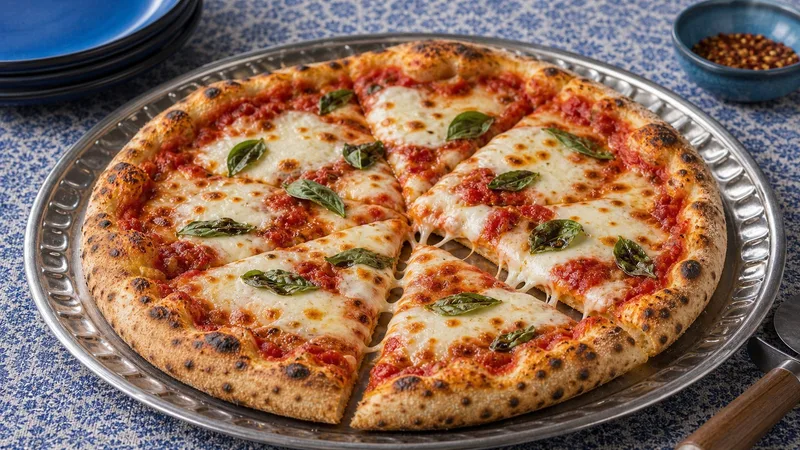
Homemade Pizza
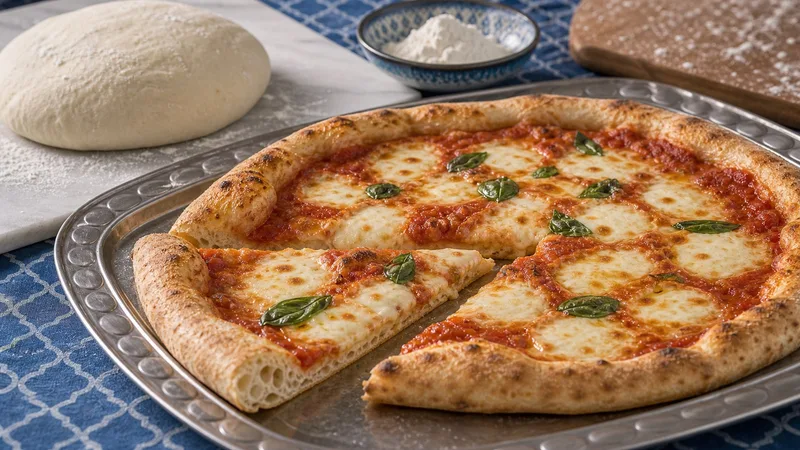
To make homemade pizza, combine flour, yeast, water, olive oil, and salt into a dough, let it rise for 1 hour, then stretch, top, and bake at 500°F on a preheated surface for 10-12 minutes. The result is a crispy-bottomed, chewy-crumbed pizza you made yourself with ingredients you can actually pronounce.
Homemade pizza has a reputation for being a wholesome family activity right up until the dough snaps back, somebody dumps half a bag of cheese in the center, and a mushroom escapes onto the oven floor. The good news is that the dough is not trying to ruin your evening. Bread flour, yeast, warm water, olive oil, and salt just need enough kneading to become smooth and springy, then a full hour to rise. If the stretched dough keeps fighting you, give it a minute on the counter. Gluten is stubborn, but apparently it can be reasoned with.
The bigger difference happens before the pizza ever goes in: heat the oven to 500°F with a stone, steel, or heavy upside-down sheet pan already inside for at least 30 minutes. That stored heat is what gives the bottom real structure while the rim puffs and browns. A quick tomato sauce of crushed tomatoes, garlic, oregano, basil, and a little red pepper keeps the flavor bright without turning pizza night into an all-day sauce project.
Use only a few tablespoons of sauce and about 3 ounces of low-moisture mozzarella per 12-inch pizza. Overloading the dough feels generous until the middle becomes a damp cheese hammock. Bake 10 to 12 minutes, rest it for two or three, then slice. The restraint is annoying. It is also why the pizza works.
Ingredients
- FOR THE DOUGH:
- 3 cups (360g) bread flour, plus more for dusting
- 1 packet (2¼ teaspoons) active dry yeast
- 1 teaspoon granulated sugar
- 1 teaspoon fine sea salt
- 2 tablespoons olive oil, plus more for the bowl
- 1 cup warm water (110°F — warm to the touch, not hot)
- FOR THE QUICK TOMATO SAUCE:
- 1 can (15 oz) crushed tomatoes
- 2 cloves garlic, minced
- 1 tablespoon olive oil
- 1 teaspoon dried oregano
- ½ teaspoon dried basil
- ½ teaspoon sugar
- ¼ teaspoon red pepper flakes (optional)
- Salt and black pepper to taste
- FOR TOPPING (per pizza):
- ¾ cup (about 3 oz) low-moisture whole-milk mozzarella, shredded
- Toppings of your choice (pepperoni, fresh basil, mushrooms, etc.)
Instructions
- 1MAKE THE DOUGH: In a large bowl, combine warm water, sugar, and yeast. Stir once and let it sit for 5-8 minutes until foamy. If it doesn't foam, your water was too hot or the yeast is dead — start over with fresh yeast.
- 2Add olive oil and salt to the yeast mixture and stir to combine. Add bread flour one cup at a time, stirring until a shaggy dough forms.
- 3Turn dough out onto a lightly floured surface and knead for 8-10 minutes until smooth and slightly tacky — it should pull away from the counter cleanly and spring back when you poke it. Alternatively, use a stand mixer with a dough hook on medium speed for 6-7 minutes.
- 4Shape the dough into a ball, place it in a lightly oiled bowl, and turn it once to coat. Cover with plastic wrap or a clean kitchen towel and let it rise at room temperature for 1 hour, or until doubled in size.
- 5MAKE THE SAUCE: While the dough rises, heat olive oil in a small saucepan over medium heat. Add garlic and cook 1 minute until fragrant, not browned. Add crushed tomatoes, oregano, basil, sugar, and red pepper flakes if using. Simmer uncovered for 15 minutes, stirring occasionally. Season with salt and pepper. Remove from heat and let cool slightly. Makes enough for 2 pizzas.
- 6PREP YOUR OVEN: Place a baking stone, baking steel, or heavy baking sheet upside-down on the top rack of your oven. Preheat oven to 500°F (260°C) for at least 30 minutes. This step matters more than almost anything else.
- 7SHAPE THE DOUGH: Once risen, punch the dough down and divide it in half. On a lightly floured surface, press one half into a disk with your fingertips, then gently stretch it by draping it over your knuckles and rotating. Work it out to roughly 12 inches in diameter. It will resist — just keep stretching gently and let it rest a minute if it snaps back. Transfer to a piece of parchment paper dusted with flour or cornmeal.
- 8TOP THE PIZZA: Spread 3-4 tablespoons of sauce across the dough, leaving a 1-inch border. Add shredded mozzarella, then your toppings. Don't overload it — this is where every ambitious instinct must be suppressed.
- 9BAKE: Slide the pizza (still on the parchment) onto the preheated stone or baking sheet using a cutting board or another baking sheet as a peel. Bake at 500°F for 10-12 minutes, until the crust is golden and spotted with char and the cheese is bubbly and browning in spots.
- 10Let the pizza rest for 2-3 minutes before slicing. Repeat with the second dough ball.
Nutrition Information
Estimated per serving: 1 slice (recipe makes 8).
Estimated from the ingredients and quantities in this recipe using standard food-composition values. Brand choices, trimming, cooking loss, optional ingredients, and actual portion size can change the numbers. How we calculate nutrition estimates.
Pro Tips
- The single biggest upgrade you can make is preheating your baking surface for a full 30 minutes. The bottom crust cooks on contact with that hot surface — it's why pizzeria pizza has that crunch and yours, historically, did not. Don't skip this.
- Bread flour gives you a chewier, more structured crust than all-purpose because of its higher protein content. All-purpose works fine, but bread flour works better. I learned this after two years of wondering why my crust tasted like a dinner roll that had given up.
- Less sauce than you think, less cheese than you want, fewer toppings than your heart desires. Overloading is the number one reason homemade pizza turns out soggy and sad and makes everyone quiet in a bad way.
Substitutions
Storage Instructions
Store leftover pizza slices in an airtight container or wrapped in foil in the refrigerator for up to 4 days. Reheat in a skillet over medium heat with a lid on for 3-4 minutes — this restores the crispy bottom and melts the cheese without making it rubbery. Avoid the microwave unless you've accepted that the crust will be soft. Uncooked dough balls can be wrapped tightly in plastic wrap and refrigerated for up to 3 days, or frozen for up to 3 months.
Make Ahead
The dough can be made ahead and given a slow cold rise in the refrigerator for 24-72 hours — remove it 45-60 minutes before shaping to let it come to room temperature. Cold-fermented dough develops more complex flavor and is actually easier to stretch. The sauce can be made up to 5 days ahead and stored in the refrigerator, or frozen for up to 3 months.
Make It a Meal
Pair this recipe with a side, bread, and something sweet from the FAFO Kitchen.

More Like This
You Might Also Like



Finish With Dessert
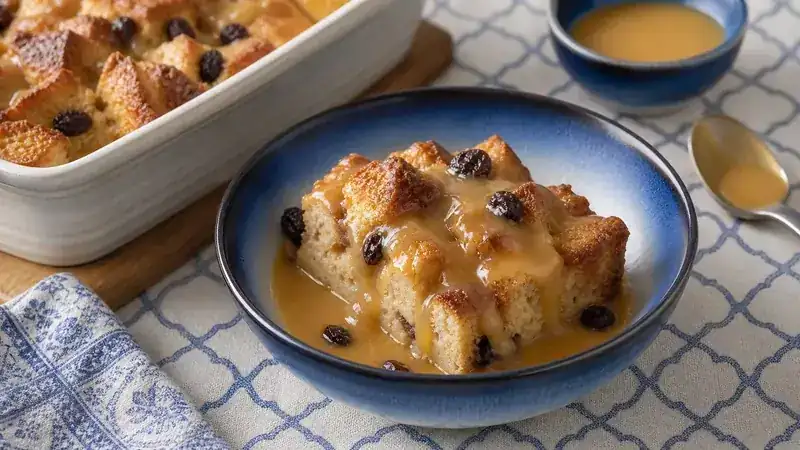
Try this next
Bread Pudding
View recipe →