


Lobster Bisque
To make lobster bisque, you simmer lobster shells with aromatics to build a stock, then cook a roux-based soup with cream, sherry, and lobster meat. The whole process takes about 90 minutes and produces a deeply flavored, restaurant-quality bisque at home.
Lobster bisque tastes expensive because, for once, the shells are asked to pay rent. After the lobster meat is removed, those shells go into butter with onion, carrot, celery, garlic, and tomato paste, then get deglazed with dry sherry and simmered with stock, water, bay leaf, and thyme. That shell stock is where the deep lobster flavor comes from; simply dropping expensive meat into cream would be financially impressive but culinarily lazy.
Strain the stock well, then start the actual bisque with a pale roux of butter and flour. Two minutes is enough to remove the raw-flour taste without taking the roux dark. Slowly whisk in the shell stock, add cayenne and smoked paprika, and simmer until the soup thickens slightly. Blend it completely smooth before the heavy cream goes in, then keep the heat low. Cream does not need to boil to prove commitment.
The lobster meat returns only for the final two or three minutes, just long enough to heat through without becoming rubbery. Lemon juice brightens the finished soup, chives add a fresh edge, and the texture should be silky rather than gluey. It is rich, savory, faintly smoky, and very clearly lobster from the first spoonful—which is exactly what should happen after two whole lobsters gave up their shells for the cause.
Ingredients
- 2 whole lobsters (1.5 lbs each), cooked — shells reserved, meat removed and chopped
- 4 tablespoons unsalted butter, divided
- 1 medium yellow onion, roughly chopped
- 2 medium carrots, roughly chopped
- 2 stalks celery, roughly chopped
- 4 cloves garlic, smashed
- 2 tablespoons tomato paste
- 1/2 cup dry sherry
- 4 cups seafood stock (or low-sodium chicken stock)
- 2 cups water
- 1 bay leaf
- 3 sprigs fresh thyme
- 1/4 teaspoon cayenne pepper
- 1/2 teaspoon smoked paprika
- 3 tablespoons all-purpose flour
- 1 1/2 cups heavy cream
- 1 teaspoon kosher salt, plus more to taste
- 1/2 teaspoon black pepper
- 1 teaspoon fresh lemon juice
- 2 tablespoons fresh chives, thinly sliced, for garnish
Instructions
- 1Cook your lobsters if they aren't already: boil them in heavily salted water for 9-10 minutes per pound, then transfer to an ice bath. Once cool, remove all the meat from the claws, knuckles, and tails. Chop the meat into bite-sized pieces and refrigerate. Crack the shells and break them into smaller pieces — a mallet works, a dish towel over them on the counter also works, or you can just be direct about it.
- 2Make the shell stock: In a large heavy-bottomed pot or Dutch oven, melt 2 tablespoons of butter over medium-high heat. Add the lobster shells and cook, stirring occasionally, for about 5 minutes until the shells are lightly toasted and fragrant. Add the onion, carrots, celery, and garlic. Cook another 4-5 minutes until the vegetables soften slightly.
- 3Add the tomato paste and stir it into the shells and vegetables. Cook for 2 minutes, letting it darken slightly on the bottom of the pot. Pour in the sherry and scrape up any browned bits. Let it cook for 1 minute.
- 4Add the seafood stock, water, bay leaf, and thyme. Bring to a boil, then reduce heat and simmer uncovered for 25 minutes. The liquid should turn a deep orange-pink color and smell intensely of the sea. Strain the stock through a fine mesh strainer into a large bowl or measuring pitcher, pressing firmly on the solids to extract all the liquid. Discard the solids. You should have about 4 cups of stock.
- 5Build the bisque base: In the same pot (wiped clean), melt the remaining 2 tablespoons of butter over medium heat. Whisk in the flour and cook the roux for 2 minutes, whisking constantly, until it smells nutty and turns a very pale gold. Don't rush this step — raw flour bisque is a thing that happens and you don't want it to happen to you.
- 6Slowly pour in the strained lobster stock, whisking constantly to prevent lumps. Add the cayenne and smoked paprika. Bring the mixture to a gentle simmer and cook for 10 minutes, stirring occasionally, until the soup thickens slightly. Cook poultry until the thickest piece reaches 165°F on an instant-read thermometer.
- 7Use an immersion blender (or carefully transfer in batches to a regular blender) to blend the bisque until completely smooth. Return to the pot over low heat.
- 8Stir in the heavy cream. Heat gently over low heat — do not boil — for 5 minutes. Season with salt, black pepper, and lemon juice. Taste it. Adjust seasoning. Taste it again because you deserve that.
- 9Add the reserved lobster meat to the bisque and heat through for 2-3 minutes over low heat. Ladle into warm bowls, garnish with fresh chives, and serve immediately with crusty bread.
- Note If starting with raw lobster, cook it until opaque and 145°F before adding it to the bisque.
Nutrition Information
Estimated per serving: 1 of 4 servings.
Estimated from the ingredients and quantities in this recipe using standard food-composition values. Brand choices, trimming, cooking loss, optional ingredients, and actual portion size can change the numbers. How we calculate nutrition estimates.
Pro Tips
- Toast those shells until they're actually fragrant — 5 full minutes, not a polite 60 seconds. This is the single step that separates bisque that tastes like the ocean from bisque that tastes like you tried.
- When you add the cream, keep the heat low and patient. Heavy cream added to a violently boiling pot will break the bisque, and a broken bisque is a soup that looks betrayed.
- Dry sherry is correct here. Cooking sherry from the back of a grocery shelf is technically also sherry, but the bisque will know.
Substitutions
Storage Instructions
Store cooled bisque in an airtight container in the refrigerator for up to 3 days. Reheat gently over low heat, stirring frequently — do not boil. The bisque can be frozen (without the lobster meat) for up to 2 months; add fresh lobster meat when reheating.
Make Ahead
The shell stock can be made up to 2 days ahead and refrigerated, or frozen for up to 2 months. The full bisque base (before adding cream and lobster meat) can be made 1 day ahead and refrigerated. Finish with cream and lobster meat just before serving.
Frequently Asked Questions
Can I make this ahead of time?
Yes. Make and strain the lobster-shell stock and bisque base ahead, then refrigerate it. Reheat gently and add the reserved lobster meat and cream close to serving so the lobster does not overcook and the dairy stays smooth.
How do I store the leftovers?
Store the leftovers in an airtight container in the refrigerator for up to 3 days. Reheat gently over low heat, stirring frequently — do not boil. The bisque can be frozen (without the lobster meat) for up to 2 months; add fresh lobster meat when reheating.
Can I freeze it?
For the best texture, freeze the strained bisque base before adding the cream and reserved lobster meat. Thaw the base in the refrigerator, reheat it, then finish with the dairy and lobster.
Can I adjust it for what I have on hand?
Yes. Tested adjustments on this recipe include whole live lobsters → lobster tails with shells + frozen lobster knuckle meat; dry sherry → dry white wine or dry vermouth; and heavy cream → half-and-half.
What's the most common mistake to avoid?
Toast those shells until they're actually fragrant — 5 full minutes, not a polite 60 seconds. This is the single step that separates bisque that tastes like the ocean from bisque that tastes like you tried.
Make It a Meal
Pair this recipe with a side, bread, and something sweet from the FAFO Kitchen.


More Like This



You Might Also Like




Finish With Dessert
Try this next
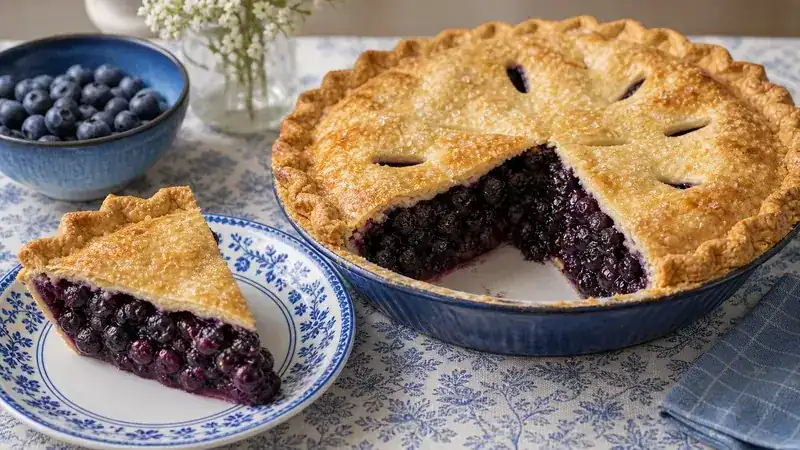
Blueberry Pie
View recipe →