

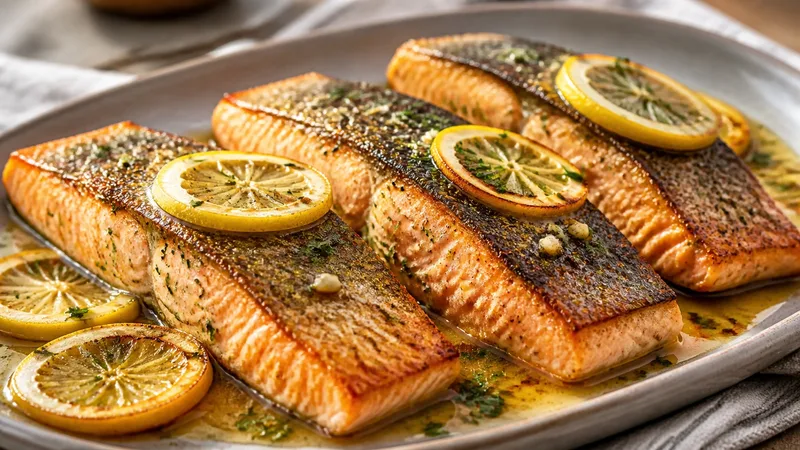
Pan-Seared Salmon with Lemon Butter
Pan-seared salmon with lemon butter starts with dry, well-seasoned fillets in a hot cast iron skillet, skin-side down, so the skin crisps instead of steaming. The garlic lemon butter sauce comes together in the same pan right after, so there's barely any cleanup and the whole thing is done in about 20 minutes.
The difference between crisp salmon skin and a soft little raincoat attached to your fish is mostly moisture and patience. Start with skin-on fillets and dry them thoroughly, then season with salt, pepper, garlic powder, and smoked paprika. A hot cast-iron skillet, olive oil, and a little butter do the rest—as long as the salmon goes in skin-side down and stays there long enough to actually crisp. Press each fillet gently for the first 30 seconds so the skin doesn’t curl away from the pan like it suddenly remembered an appointment. Most of the cooking happens on that first side. As the salmon turns opaque about two-thirds of the way up the fillet, flip it and give the flesh side only another two or three minutes. The center should still be moist rather than chalky. Then the fish comes out while the same skillet gets butter, minced garlic, lemon juice, and zest. Those browned bits on the bottom dissolve into the sauce, which is why washing the pan between steps would be both unnecessary and emotionally upsetting.
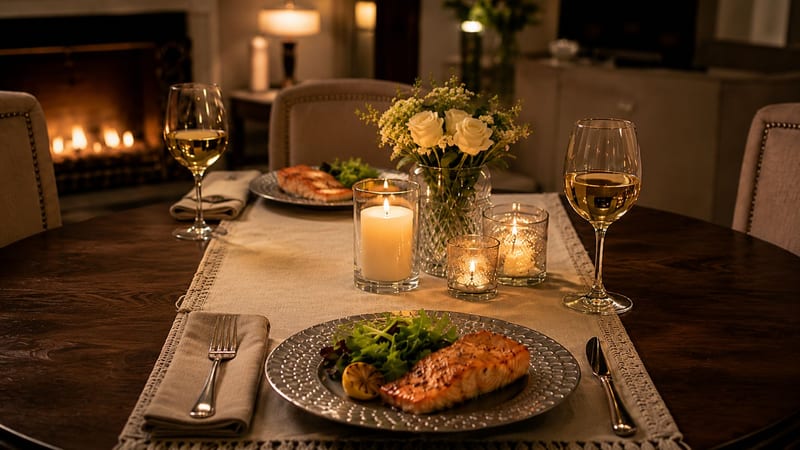
Spoon the lemon butter over the salmon and finish with parsley. The whole thing takes about 20 minutes, but it eats like something far more deliberate: crisp skin, tender salmon, browned butter richness, fresh garlic, and enough lemon to keep every bite awake.
Ingredients
- 4 salmon fillets, skin-on (about 6 oz each, roughly 1 inch thick)
- 1 teaspoon kosher salt
- 1/2 teaspoon freshly ground black pepper
- 1/2 teaspoon garlic powder
- 1/2 teaspoon smoked paprika
- 2 tablespoons olive oil
- 3 tablespoons unsalted butter, divided
- 4 garlic cloves, minced
- 3 tablespoons fresh lemon juice (about 1 large lemon)
- 1 teaspoon lemon zest
- 2 tablespoons fresh parsley, chopped
- Lemon slices, for serving
Instructions
- 1Remove the salmon fillets from the refrigerator 15 minutes before cooking. Pat them thoroughly dry with paper towels — and I mean thoroughly, every surface, because moisture is what stands between you and a crispy skin. Mix the salt, pepper, garlic powder, and smoked paprika in a small bowl, then season the salmon evenly on all sides.
- 2Heat a large cast iron skillet over medium-high heat for 2 full minutes until it is genuinely hot. Add the olive oil and 1 tablespoon of the butter. When the butter stops foaming, you are ready.
- 3Place the salmon fillets skin-side down in the skillet. Press each fillet gently with a spatula for the first 30 seconds to prevent the skin from curling up. Cook undisturbed for 4 to 5 minutes. The salmon will turn opaque about two-thirds of the way up the side — that is your visual cue it is almost time to flip.
- 4Flip the fillets carefully. Cook for 2 to 3 minutes on the flesh side, depending on thickness. The center should be just slightly translucent — that is not undercooked, that is correct. Transfer the salmon to a plate and tent loosely with foil.
- 5Reduce the heat to medium. Add the remaining 2 tablespoons of butter to the same skillet. Once melted, add the minced garlic and cook for 30 seconds, stirring constantly so it does not burn. Add the lemon juice and lemon zest. Stir and let the sauce bubble for 1 minute, scraping up any brown bits from the bottom of the pan — those are flavor, not mistakes.
- 6Pour the lemon butter sauce over the salmon fillets. Top with fresh parsley and serve immediately with lemon slices.
Nutrition Information
Estimated per serving: 1 of 4 servings.
Estimated from the ingredients and quantities in this recipe using standard food-composition values. Brand choices, trimming, cooking loss, optional ingredients, and actual portion size can change the numbers. How we calculate nutrition estimates.
Pro Tips
- Dry the fish. I am repeating this because the first seventeen times I made salmon I skipped this step and wondered why the skin was sad and pale. Moisture creates steam; steam is the enemy of crust.
- Do not move the salmon around the pan while it cooks skin-side down. It will release naturally when it is ready to be flipped. If it is sticking, it is not done. The pan is not being difficult — it is making a point.
- Let the skillet get fully hot before the fish goes in. A cold pan produces a fish that sticks, steams, and refuses to forgive you. Two full minutes on medium-high, no shortcuts.
Substitutions
Storage Instructions
Store leftover salmon in an airtight container in the refrigerator for up to 2 days. Reheat gently in a skillet over low heat with a splash of water or broth, covered, for 2-3 minutes. Do not microwave at full power — it will dry out and smell alarming. Leftovers are also excellent cold, flaked over a salad.
Make Ahead
You can season the salmon fillets up to 4 hours in advance and keep them uncovered on a rack in the refrigerator — the dry surface will improve the crust. The lemon butter sauce can be made separately and rewarmed, but the salmon itself is best cooked fresh and served immediately.
Freezing
Yes. Freeze the cooked salmon and lemon-butter pan sauce together after they are completely cool. Thaw in the refrigerator and warm gently; avoid aggressive reheating because the salmon dries out faster than the sauce.
Frequently Asked Questions
Can I make Pan-Seared Salmon with Lemon Butter ahead of time?
You can season the salmon fillets up to 4 hours in advance and keep them uncovered on a rack in the refrigerator — the dry surface will improve the crust. The lemon butter sauce can be made separately and rewarmed, but the salmon itself is best cooked fresh and served immediately.
How do I store leftover Pan-Seared Salmon with Lemon Butter?
Store the leftovers in an airtight container in the refrigerator for up to 2 days. Reheat gently in a skillet over low heat with a splash of water or broth, covered, for 2-3 minutes. Do not microwave at full power — it will dry out and smell alarming. Leftovers are also excellent cold, flaked over a salad.
Can I freeze Pan-Seared Salmon with Lemon Butter after cooking?
Yes. Freeze the cooked salmon and lemon-butter pan sauce together after they are completely cool. Thaw in the refrigerator and warm gently; avoid aggressive reheating because the salmon dries out faster than the sauce.
Can I substitute ingredients in Pan-Seared Salmon with Lemon Butter?
Yes. Tested adjustments on this recipe include fresh lemon juice → white wine; smoked paprika → regular paprika or cayenne; and fresh parsley → fresh dill or chives.
What's the most common mistake when making Pan-Seared Salmon with Lemon Butter?
Dry the fish. I am repeating this because the first seventeen times I made salmon I skipped this step and wondered why the skin was sad and pale. Moisture creates steam; steam is the enemy of crust.
How long does it take to make Pan-Seared Salmon with Lemon Butter?
About 20 minutes from start to finish — including 12 minutes of active cooking.
Make It a Meal
Pair this recipe with a side, bread, and something sweet from the FAFO Kitchen.


More Like This

You Might Also Like


Finish With Dessert
Try this next
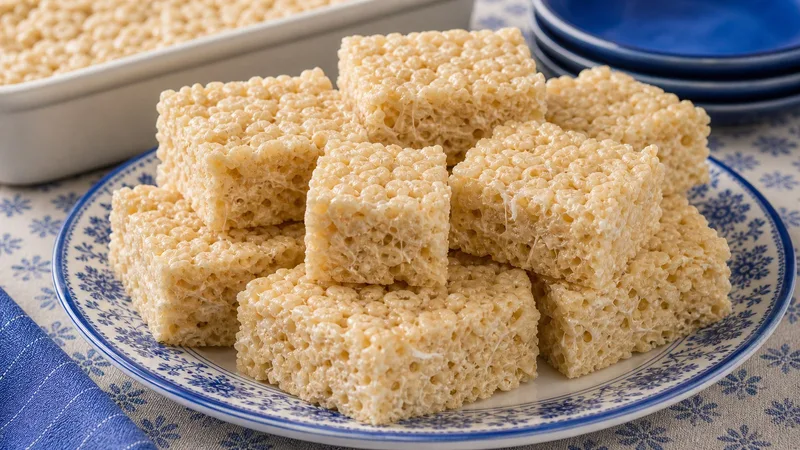
Rice Krispie Treats
View recipe →