

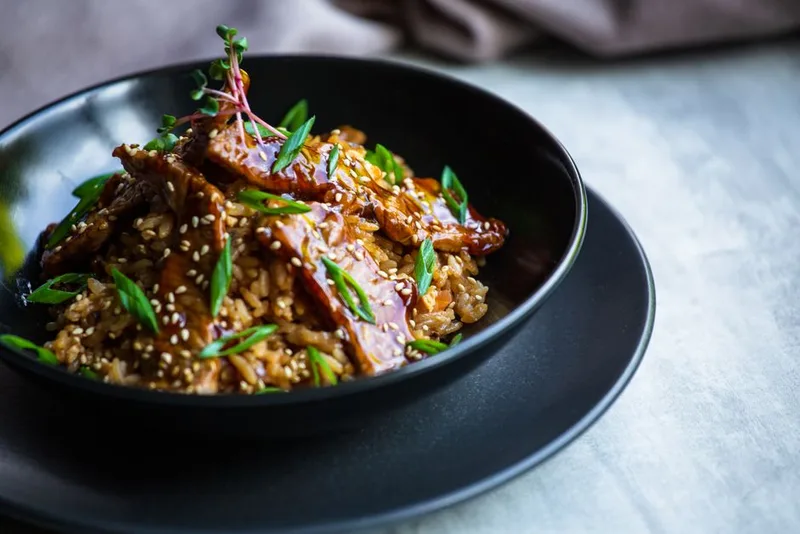
Teriyaki Sauce
Whisk together soy sauce, mirin, sake, brown sugar, garlic, and ginger, then simmer over medium heat until slightly reduced. Stir in a cornstarch slurry if you want a thicker glaze, and the whole thing is done in about 10 minutes.
Teriyaki sauce is supposed to be glossy, savory, lightly sweet, and fragrant with ginger and garlic—not a cup of sugar wearing a soy-sauce hat. This version starts with low-sodium soy sauce, mirin, sake, brown sugar, sesame oil, fresh garlic, and ginger, then simmers long enough for the raw edges to mellow and the flavors to come together.
A cornstarch slurry goes in near the end, which means you control the texture instead of boiling the sauce into salty candy while waiting for it to thicken. Once the slurry hits the simmering liquid, give it a minute or two to turn shiny and coat a spoon. Use it for chicken, salmon, beef, tofu, vegetables, rice bowls, or any dinner that needs a glossy sauce with actual balance. The bottle in the refrigerator is convenient. This takes roughly the amount of time required to discover the bottle is mostly high-fructose corn syrup.
Ingredients
- 1/2 cup low-sodium soy sauce
- 1/4 cup mirin
- 2 tablespoons sake (or dry sherry)
- 2 tablespoons brown sugar, packed
- 1 teaspoon sesame oil
- 2 cloves garlic, minced
- 1 teaspoon fresh ginger, grated (or 1/4 teaspoon ground ginger)
- 1 tablespoon cornstarch
- 2 tablespoons cold water
Instructions
- 1In a small saucepan, combine the soy sauce, mirin, sake, brown sugar, sesame oil, minced garlic, and grated ginger. Whisk everything together until the sugar begins to dissolve.
- 2Place the saucepan over medium heat and bring the mixture to a gentle simmer, stirring occasionally. Let it simmer for 4 to 5 minutes. The sauce will reduce slightly and the garlic and ginger will mellow into the liquid.
- 3In a small bowl, whisk together the cornstarch and cold water until fully dissolved with no lumps. This is your slurry.
- 4Pour the cornstarch slurry into the simmering sauce while stirring constantly. Continue to stir for 1 to 2 minutes until the sauce thickens to a glossy, pourable consistency that coats the back of a spoon.
- 5Remove from heat immediately once thickened. The sauce will continue to thicken slightly as it cools. If it gets too thick, thin it with a small splash of water.
- 6Use immediately as a glaze over cooked protein, or let cool completely before using as a marinade. Store any leftovers in an airtight jar or container.
Nutrition Information
Estimated per serving: 1 of 8 servings.
Estimated from the ingredients and quantities in this recipe using standard food-composition values. Brand choices, trimming, cooking loss, optional ingredients, and actual portion size can change the numbers. How we calculate nutrition estimates.
Pro Tips
- Use low-sodium soy sauce. Regular soy sauce will make the final product aggressively salty, especially after it reduces — I learned this at the expense of an entire sheet pan of chicken.
- Don't walk away while the cornstarch slurry goes in. It thickens fast and a sauce that's been neglected for thirty seconds can go from glossy to something closer to teriyaki pudding.
- If you're using this as a marinade rather than a glaze, skip the cornstarch entirely and just simmer the base sauce for 5 minutes. The slurry is only for glazing.
Substitutions
Storage Instructions
Store cooled teriyaki sauce in an airtight jar or container in the refrigerator for up to 2 weeks. The sauce will thicken further when cold — just warm it gently in a small saucepan or microwave with a small splash of water to loosen it back up before using.
Make Ahead
This sauce is an excellent make-ahead project. It improves after a day in the refrigerator as the garlic and ginger flavors deepen. Make a full batch on Sunday and use it throughout the week as a marinade, stir-fry sauce, or glaze.
Freezing
Yes. Freeze Teriyaki Sauce in small airtight portions, leaving a little room for expansion. Thaw in the refrigerator and whisk or stir well before using.
Frequently Asked Questions
Can I make Teriyaki Sauce ahead of time?
Make Teriyaki Sauce ahead and refrigerate it in a sealed container. Stir or whisk it again before using so the texture is even, and reserve any fresh herbs or final seasoning adjustment until serving.
How do I store leftover Teriyaki Sauce?
Store cooled teriyaki sauce in an airtight jar or container in the refrigerator for up to 2 weeks. The sauce will thicken further when cold — just warm it gently in a small saucepan or microwave with a small splash of water to loosen it back up before using.
Can I freeze Teriyaki Sauce after cooking?
Yes. Freeze Teriyaki Sauce in small airtight portions, leaving a little room for expansion. Thaw in the refrigerator and whisk or stir well before using.
Can I substitute ingredients in Teriyaki Sauce?
Yes. Tested adjustments on this recipe include mirin → 2 tablespoons dry sherry or white grape juice plus 1 teaspoon sugar; sake → dry sherry or chicken broth; and brown sugar → honey or coconut sugar.
What's the most common mistake when making Teriyaki Sauce?
Use low-sodium soy sauce. Regular soy sauce will make the final product aggressively salty, especially after it reduces — I learned this at the expense of an entire sheet pan of chicken.
How long does it take to make Teriyaki Sauce?
About 15 minutes from start to finish — including 10 minutes of active cooking.
More Like This
You Might Also Like
Finish With Dessert
Try this next
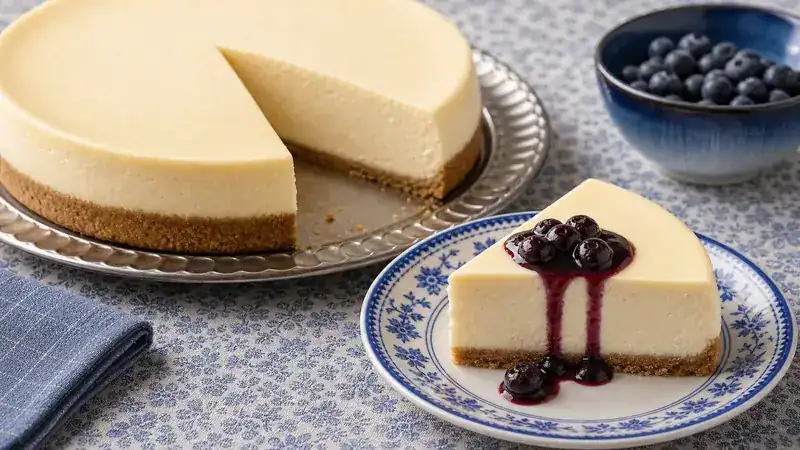
Cheesecake Recipe That Actually Sets (No Cracks, No Drama)
View recipe →