
Classic Banana Bread
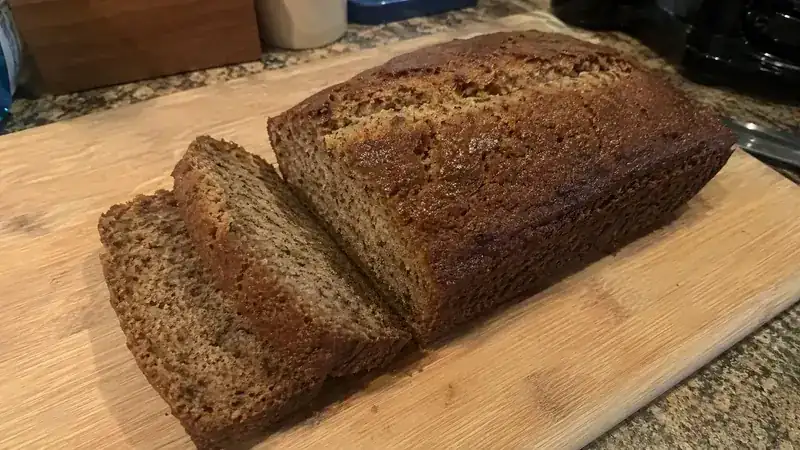
To make banana bread, mash very ripe bananas, stir in melted butter, sugar, egg, vanilla, baking soda, salt, and flour, then bake the batter in a greased 9x5-inch loaf pan at 350°F for about 65 minutes. Let the loaf cool before slicing so the crumb sets instead of tearing apart like it has personal problems.
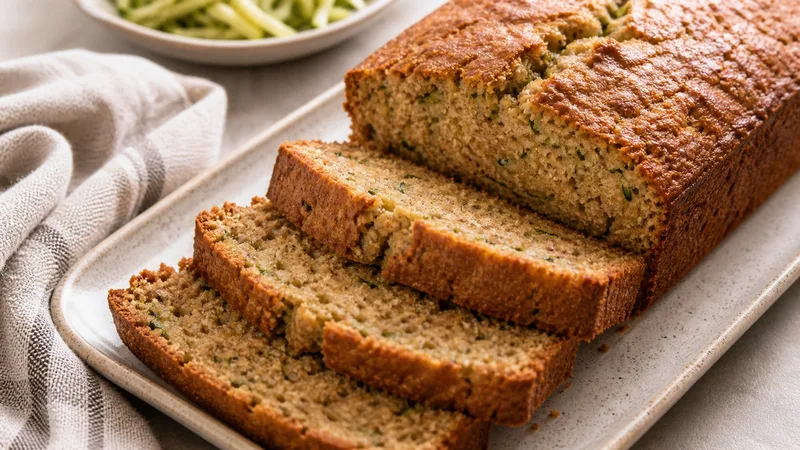
Banana bread begins at the exact moment a banana becomes too ugly for polite society. Three very ripe bananas—soft, heavily spotted, and well past lunchbox eligibility—get mashed and mixed with melted butter, sugar, egg, and vanilla. Baking soda provides the lift, while a modest amount of flour keeps the loaf tender rather than turning it into sweet sandwich bread. The bananas are doing real structural work here too: besides flavor, their moisture and natural sugars help give the loaf that soft, dense-but-not-heavy crumb people are actually hoping for when they finally admit nobody is going to eat those bananas fresh.
Once the flour goes in, fold only until the dry streaks disappear. This is the point where enthusiasm becomes dangerous; extra mixing develops gluten and can take banana bread from tender to oddly athletic. Bake the batter in a 9-by-5-inch loaf pan at 350°F until the top is deep golden and a toothpick from the center comes out clean or with a few moist crumbs. If the top darkens too quickly, tent it loosely with foil. Then let it cool before slicing, despite every smell in the kitchen arguing otherwise. Hot banana bread has the patience requirements of a hostage negotiation, but the crumb really does set better if you wait.
Ingredients
- 3 very ripe medium bananas (about 1 1/2 cups mashed)
- 1/2 cup unsalted butter, melted and slightly cooled
- 3/4 cup granulated sugar
- 1 large egg, beaten
- 1 teaspoon pure vanilla extract
- 1 teaspoon baking soda
- 1/2 teaspoon fine salt
- 1 1/2 cups all-purpose flour
Instructions
- 1Preheat your oven to 350°F. Grease a 9x5-inch loaf pan with butter or nonstick spray, then lightly flour it, tapping out any excess.
- 2In a large mixing bowl, mash the ripe bananas thoroughly with a fork until nearly smooth — a few small lumps are fine and will not ruin your life.
- 3Pour the melted butter over the mashed bananas and stir to combine.
- 4Add the sugar, beaten egg, and vanilla extract. Stir until fully incorporated.
- 5Sprinkle the baking soda and salt over the mixture and stir to combine.
- 6Add the flour all at once. Fold gently with a spatula or wooden spoon until just combined — meaning you stop when you stop seeing dry flour streaks. Overmixing develops gluten and produces a dense, rubbery loaf. Stop early. Walk away.
- 7Pour the batter into your prepared loaf pan and smooth the top.
- 8Bake on the center rack for 60-65 minutes, until the top is deep golden brown and a toothpick inserted into the center comes out clean or with just a few moist crumbs.
- 9If the top is browning too fast around the 45-minute mark, tent it loosely with aluminum foil and continue baking.
- 10Remove from the oven and let the loaf cool in the pan for 10 minutes. Then turn it out onto a wire rack and let it cool for at least another 20 minutes before slicing. I know. I know. Do it anyway.
Nutrition Information
Estimated per serving: 1 slice (recipe makes 10).
Estimated from the ingredients and quantities in this recipe using standard food-composition values. Brand choices, trimming, cooking loss, optional ingredients, and actual portion size can change the numbers. How we calculate nutrition estimates.
Pro Tips
- The bananas are the whole recipe. Use bananas with skins that are mostly to fully black. They should feel soft and smell intensely sweet. If you're in a hurry, you can roast unpeeled bananas at 300°F for 15-20 minutes until the skins blacken — it concentrates the sugar and you'll feel very efficient about it.
- Do not melt the butter hot and immediately add the egg. Let the butter cool for a minute first unless you want scrambled banana eggs, which is not a thing anyone asked for.
- For optional add-ins: fold in 1/2 cup chopped walnuts, pecans, or chocolate chips after the flour is incorporated. A sprinkle of coarse sugar on top before baking gives you a crackly crust that makes the whole endeavor feel professional.
- The toothpick test is not optional. Banana bread looks done before it is done, every single time, like it's running a con.
Substitutions
Storage Instructions
Store cooled banana bread wrapped tightly in plastic wrap or in an airtight container at room temperature for up to 3 days. For longer storage, refrigerate for up to 1 week — bring to room temperature or warm briefly before serving. Banana bread freezes beautifully: wrap individual slices in plastic wrap, then store in a zip-top freezer bag for up to 3 months. Thaw at room temperature or toast directly from frozen.
Make Ahead
Banana bread improves on day two as the flavors settle and the crumb tightens. Bake the night before, wrap it, leave it on the counter, and slice it in the morning. You will feel extremely prepared, which is its own reward.