
Pound Cake
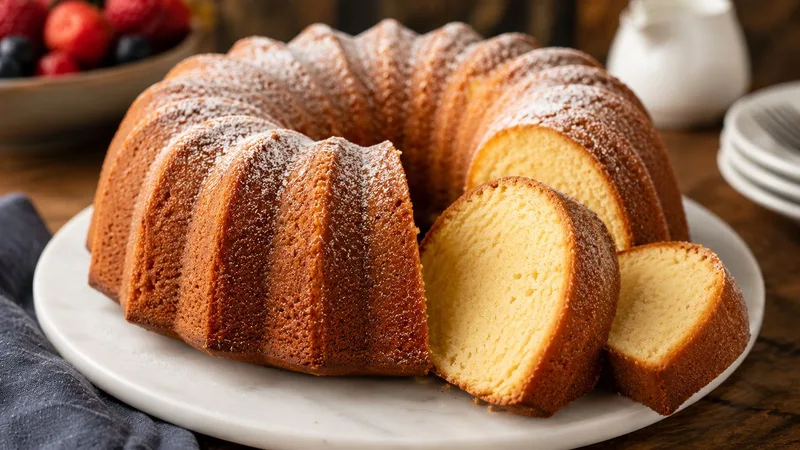
To make pound cake, cream one pound each of butter, sugar, eggs, and flour together with a splash of vanilla, then bake at 325°F for 60–75 minutes in a greased and floured bundt or loaf pan. The low oven temperature is what keeps it tender and prevents cracking.
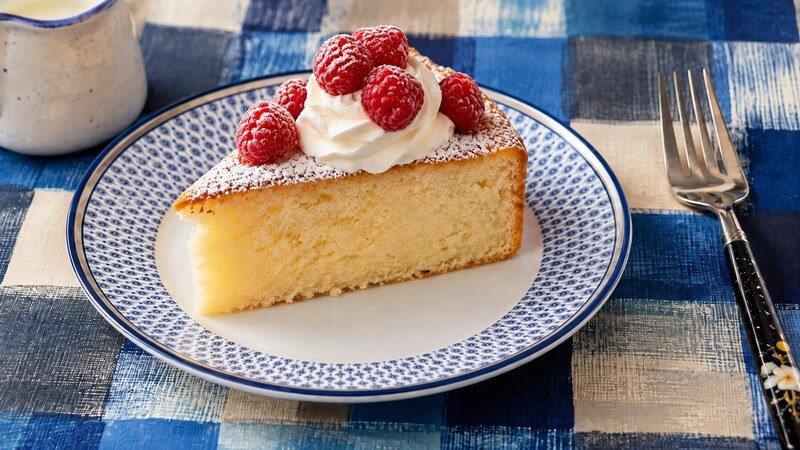
Pound cake is called pound cake because the old formula was gloriously unsubtle: a pound each of butter, sugar, eggs, and flour. This version keeps the same spirit—dense, buttery, deeply vanilla cake—but uses a modern balance of ingredients so the crumb stays tender instead of doubling as a doorstop. There is no hiding place in a cake this simple. If the butter is cold, the mixing is rushed, or the flour gets beaten into submission, you will taste the consequences.
Room-temperature butter gets a full five to six minutes with the sugar until the mixture is pale and fluffy. That creaming step builds the air that gives the cake lift. Eggs go in one at a time, followed by alternating additions of sifted flour and room-temperature milk. Vanilla is essential; a little almond extract is optional but adds the kind of bakery aroma that causes people to wander into the kitchen pretending they needed water.
Bake at 325°F in a thoroughly greased and floured Bundt or tube pan until the top is deep golden and a skewer comes out clean or with a few dry crumbs. Then cool it in the pan for 15 minutes before turning it out, and let it finish cooling before slicing. Warm pound cake smells like it should be cut immediately. Warm pound cake is a liar. Give the crumb time to set and it rewards you with clean slices and that tight, buttery texture the cake is supposed to have.
Ingredients
- 2 cups (4 sticks / 454g) unsalted butter, room temperature
- 3 cups (600g) granulated sugar
- 6 large eggs, room temperature
- 4 cups (480g) all-purpose flour, sifted
- 3/4 cup (180ml) whole milk, room temperature
- 2 teaspoons pure vanilla extract
- 1/2 teaspoon almond extract (optional but highly recommended)
- 1/2 teaspoon salt
- 1/4 teaspoon baking soda
Instructions
- 1Pull your butter, eggs, and milk out of the refrigerator at least 1 hour before you start. Room temperature is not a suggestion here — cold ingredients will not emulsify properly and your crumb will suffer for it.
- 2Preheat your oven to 325°F (165°C). Grease a 10-inch bundt pan or a standard tube pan thoroughly with butter or shortening, then dust with flour and tap out the excess. Every crevice. The pan is waiting to embarrass you.
- 3In a large bowl, beat the butter on medium speed for 2 full minutes until it lightens slightly. Add the sugar and continue beating on medium-high for 5–6 minutes until the mixture is pale, very fluffy, and has nearly doubled in volume. Do not rush this step. It is the foundation.
- 4Add the eggs one at a time, beating for about 30 seconds after each addition. Scrape down the sides of the bowl with a spatula between every other egg.
- 5In a small bowl, stir together the vanilla extract, almond extract (if using), and milk.
- 6Whisk together the sifted flour, salt, and baking soda in a separate bowl.
- 7With the mixer on low, add the flour mixture and the milk mixture to the butter mixture in alternating additions — flour first, then milk, back to flour, then milk, ending with flour. Three additions of flour, two of milk. Mix only until just combined after each addition. Overmixing activates gluten and toughens the crumb.
- 8Scrape the batter into the prepared pan and smooth the top. Tap the pan firmly on the counter two or three times to release any air pockets.
- 9Bake at 325°F for 70–80 minutes, until a wooden skewer or toothpick inserted in the center comes out clean or with a few dry crumbs. The top should be deep golden brown and the cake should have begun to pull away from the sides of the pan.
- 10Cool in the pan on a wire rack for 15 minutes, then carefully invert onto the rack to cool completely — at least 1 hour — before slicing. Cutting into a warm pound cake causes it to compress and lose its structure.
Nutrition Information
Estimated per serving: 1 of 12 servings.
Estimated from the ingredients and quantities in this recipe using standard food-composition values. Brand choices, trimming, cooking loss, optional ingredients, and actual portion size can change the numbers. How we calculate nutrition estimates.
Pro Tips
- Room temperature really does matter: cold butter will not cream properly, and cold eggs can cause the batter to curdle. If you forgot to set them out, set the butter in 1-inch cubes on the counter for 45 minutes, and submerge the eggs in warm (not hot) water for 10 minutes.
- Cream the butter and sugar longer than you think you need to. If your mixture still looks yellow and grainy at three minutes, keep going. You want it pale ivory and light. This is where the cake gets its texture.
- If your pound cake cracks on top, that is correct and traditional and nothing to apologize for. It is not a failure. It is the cake being honest with you, which is more than most things will do.
Substitutions
Storage Instructions
Store cooled pound cake tightly wrapped in plastic wrap or in an airtight container at room temperature for up to 5 days. For longer storage, wrap individual slices in plastic wrap, then foil, and freeze for up to 3 months. Thaw at room temperature for 1–2 hours before serving.
Make Ahead
Pound cake is genuinely better the day after it is baked — the crumb firms up and the flavor deepens overnight. Bake it the day before you need it, let it cool completely, wrap tightly in plastic wrap, and leave it at room temperature. Do not refrigerate before serving as this dries it out.
Frequently Asked Questions
Can I make Pound Cake ahead of time?
Yes. Bake the pound cake ahead and let it cool completely before wrapping it. The dense crumb holds well once cooled, and waiting until the cake is fully cool prevents trapped steam from making the outside sticky.
How do I store leftover Pound Cake?
Store the leftovers in an airtight container at room temperature for up to 5 days. For longer storage, wrap individual slices in plastic wrap, then foil, and freeze for up to 3 months. Thaw at room temperature for 1–2 hours before serving.
Can I freeze Pound Cake after cooking?
Yes. Cool the pound cake completely, then freeze the whole cake or individual slices tightly wrapped. Thaw while still wrapped so condensation stays on the wrapping instead of making the dense crumb damp.
Can I substitute ingredients in Pound Cake?
Yes. Tested adjustments on this recipe include unsalted butter → salted butter; whole milk → sour cream or full-fat buttermilk; and all-purpose flour → cake flour.
What's the most common mistake when making Pound Cake?
Room temperature really does matter: cold butter will not cream properly, and cold eggs can cause the batter to curdle. If you forgot to set them out, set the butter in 1-inch cubes on the counter for 45 minutes, and submerge the eggs in warm (not hot) water for 10 minutes.