America 250 Freedom anniversary
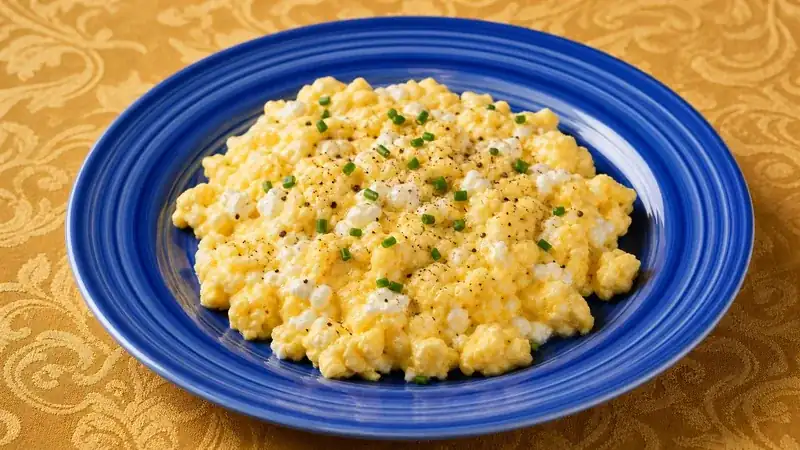
Cottage Cheese Scrambled Eggs finished and ready to serve

Cottage Cheese Scrambled Eggs

Jump to Recipe

Cottage cheese in scrambled eggs sounds like the kind of breakfast idea the internet invents at 2 a.m., but the mechanics are solid. Whisking a third cup into six eggs adds moisture, protein, and small creamy curds without needing heavy cream. It does not make the eggs taste like a bowl of cottage cheese; it makes them softer and richer while still tasting unmistakably like scrambled eggs. The bigger secret is heat. Melt butter in a nonstick skillet over medium-low, give the eggs 30 seconds to begin setting, then push them gently from the edges toward the center in broad folds every 20–30 seconds. Pull the pan while the eggs still look slightly wet. Residual heat finishes them on the way to the plate, whereas waiting until they look completely done in the skillet gives you another minute to contemplate where the moisture went.

Chives and toast are all they really need. The whole thing is simple enough for a weekday morning and creamy enough to feel like somebody paid attention. Which, before coffee, is already a fairly ambitious achievement.

Prep20 minutes
Cook25 minutes
Total45 minutes
Serves4 servings
DifficultyEasy

Ingredients

Servings
  • 6 large eggs
  • 1/3 cup cottage cheese
  • 1 tablespoon butter
  • 1/4 teaspoon kosher salt
  • Pinch of black pepper
  • Fresh chives, for serving
  • Toast, for serving

Instructions

  1. 1Whisk eggs, cottage cheese, salt, and pepper together until mostly smooth. Small curds of cottage cheese remaining are fine.
  2. 2Melt butter in a nonstick skillet over medium-low heat.
  3. 3Pour in the egg mixture. Let it sit undisturbed for 30 seconds until the edges begin to set.
  4. 4Using a spatula, gently push the eggs from the edges toward the center in large, soft folds. Continue every 20 to 30 seconds.
  5. 5Remove from heat when the eggs are still slightly wet — they finish cooking from residual heat.
  6. 6Serve immediately on toast with chives.

Nutrition Information

Estimated per serving: 1 of 4 servings.

170Calories
13 gProtein
1 gCarbohydrates
12 gTotal Fat
5 gSaturated Fat
0 gFiber
1 gTotal Sugars
340 mgSodium
345 mgCholesterol

Estimated from the ingredients and quantities in this recipe using standard food-composition values. Brand choices, trimming, cooking loss, optional ingredients, and actual portion size can change the numbers. How we calculate nutrition estimates.

Pro Tips

  • Medium-low heat, not high. Scrambled eggs cooked fast turn into rubbery sheets.
  • Pull them off heat while they still look a little underdone. The carryover heat finishes them perfectly.
  • Cottage cheese adds protein and makes the eggs impossibly creamy without needing heavy cream.

Substitutions

cottage cheese → ricotta or cream cheese Ricotta makes them even silkier; cream cheese makes them richer.
butter → olive oil Different flavor but works. Butter is better here.
chives → everything bagel seasoning or hot sauce Both are excellent egg toppings.

Storage Instructions

Scrambled eggs are best eaten immediately. Leftovers last 1 day refrigerated but the texture changes.

Make Ahead

Whisk the egg mixture the night before and refrigerate. Cook in the morning — it takes 5 minutes.

Freezing

I would not freeze the finished scrambled eggs. The egg curds and cottage cheese become watery and rubbery after thawing; make this one fresh and refrigerate only short-term leftovers.

Frequently Asked Questions

Can I make this ahead of time?

Prep the chives, toast, and measured ingredients ahead, but whisk and cook the eggs close to serving. Scrambled eggs are best when they come straight from the skillet instead of being held and reheated.

How do I store the leftovers?

Scrambled eggs are best eaten immediately. Leftovers last 1 day refrigerated but the texture changes.

Can I freeze it?

I would not freeze the finished scrambled eggs. The egg curds and cottage cheese become watery and rubbery after thawing; make this one fresh and refrigerate only short-term leftovers.

What substitutions work in Cottage Cheese Scrambled Eggs?

Tested swaps for this recipe: cottage cheese: ricotta or cream cheese. Ricotta makes them even silkier; cream cheese makes them richer. butter: olive oil. Different flavor but works. Butter is better here.

What's the most common mistake to avoid?

Medium-low heat, not high. Scrambled eggs cooked fast turn into rubbery sheets.

Finish With Dessert

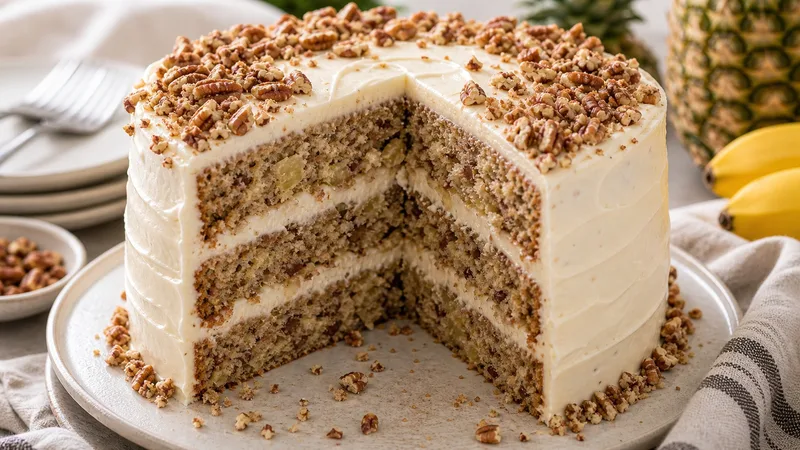
Hummingbird Cake

Try this next

Hummingbird Cake

View recipe →

Lila, the editorial persona and visual host of Fork Around & Find Out Kitchen

About Lila

Lila is the editorial persona and visual host of Fork Around & Find Out Kitchen. Recipes presented in the Lila voice are developed, edited, and published under FAFO Kitchen's editorial standards.

Found a problem? Tell FAFO Kitchen.