


Eggs Benedict
Eggs Benedict is made by layering a toasted English muffin with Canadian bacon, a poached egg, and hollandaise sauce. The hollandaise is whisked together over a double boiler with egg yolks, lemon juice, and melted butter until thick and silky.
Eggs Benedict is brunch pretending to be relaxed while quietly running three separate departments. You need toasted English muffins, warm Canadian bacon, poached eggs with set whites and runny yolks, and hollandaise that stays glossy instead of suddenly becoming expensive scrambled butter. None of those jobs is especially difficult by itself. The trick is getting them all to arrive at the plate at the same time without looking like you’ve been negotiating with a hostage taker.
This version handles the chaos in the right order. Hollandaise comes first: egg yolks, lemon juice, and a little water are whisked over gentle heat until thick enough to hold a ribbon, then warm butter goes in slowly so the emulsion has time to form. The poaching water stays at a lazy simmer, not a rolling boil, and a splash of vinegar helps the whites set around the yolks. Fresh eggs make that job easier because their whites naturally hold tighter.
Once the muffins are toasted and the Canadian bacon is warm, assembly should be immediate. Crisp bread catches the juices, salty bacon anchors the egg, and lemony hollandaise ties the whole thing together with cayenne and enough richness to make a weekday breakfast feel underdressed. Eggs Benedict has a reputation for being fussy because, frankly, it is. But organized fussiness is just technique wearing nicer shoes.
Ingredients
- 4 large eggs (for poaching)
- 3 large egg yolks (for hollandaise)
- 1/2 cup (1 stick / 113g) unsalted butter
- 1 tablespoon fresh lemon juice
- 1 teaspoon cold water
- Pinch of cayenne pepper
- Salt and white pepper to taste
- 2 English muffins, split and toasted
- 4 slices Canadian bacon (back bacon)
- 1 tablespoon white vinegar (for poaching water)
- Fresh chives or paprika for garnish (optional)
Instructions
- 1Make the hollandaise first. Melt the butter in a small saucepan over low heat or in the microwave in 20-second bursts. Keep it warm but not hot. Set aside.
- 2Fill a medium saucepan with about 2 inches of water and bring it to a bare simmer over medium-low heat. You want steam, not a rolling boil — this is your double boiler base.
- 3In a heatproof bowl that fits over the saucepan without touching the water, whisk together the 3 egg yolks, 1 tablespoon of lemon juice, and 1 teaspoon of cold water until the mixture is pale yellow and slightly frothy, about 1 minute.
- 4Set the bowl over the simmering water. Whisk constantly for 3 to 4 minutes until the mixture thickens enough that you can see the bottom of the bowl as you whisk — the yolks are ready when they hold a ribbon when you lift the whisk.
- 5Remove the bowl from the heat. Very slowly — and I mean in a thin, steady stream — drizzle in the warm melted butter while whisking constantly. If you pour it in too fast, the sauce will break. Take about 2 minutes to add all the butter.
- 6Season the finished hollandaise with cayenne, salt, and white pepper. Taste and add more lemon juice if needed. The sauce should be thick, glossy, and coat a spoon. Keep it warm by setting the bowl over the pot of hot water (heat off) while you poach the eggs.
- 7For the poached eggs: Fill a wide, deep skillet or saucepan with about 3 inches of water. Add 1 tablespoon of white vinegar. Bring to a gentle simmer over medium heat — you want small, lazy bubbles, not a boil.
- 8Crack each egg individually into a small cup or ramekin. This gives you control and lets you check for broken yolks before they hit the water.
- 9Stir the simmering water gently to create a slow swirl, then slide one egg into the center of the swirl. This helps the white wrap around the yolk. Repeat for the remaining eggs, working quickly.
- 10Poach for 3 to 3 and a half minutes for a runny yolk, or 4 minutes for a slightly firmer yolk. The whites should be fully set and opaque. Lift eggs out with a slotted spoon and rest them briefly on a clean paper towel to drain.
- 11While the eggs poach, warm the Canadian bacon. Heat a skillet over medium heat and cook the bacon slices for about 1 minute per side until warmed through and lightly browned at the edges.
- 12Toast the English muffins until golden. Assemble immediately: place the English muffin halves on plates, top each with a slice of Canadian bacon, then a poached egg, then a generous spoonful of hollandaise. Garnish with chives or a dusting of paprika if you like. Serve right away.
Nutrition Information
Estimated per serving: 1 of 2 servings.
Estimated from the ingredients and quantities in this recipe using standard food-composition values. Brand choices, trimming, cooking loss, optional ingredients, and actual portion size can change the numbers. How we calculate nutrition estimates.
Pro Tips
- Use the freshest eggs you can find for poaching. Fresh eggs have tighter whites that hold together in the water instead of trailing off in wispy tendrils. Old eggs will poach fine but they will be dramatic about it.
- If your hollandaise breaks — meaning it looks greasy and separated — add one tablespoon of very warm water and whisk vigorously off the heat. This saves it about 80% of the time. The other 20% is a lesson.
- You can poach eggs ahead of time in batches. Cook them, remove them while still slightly underdone, and store them in a bowl of cold water in the fridge for up to a day. To reheat, slip them into simmering water for about 30 seconds. This is the trick restaurants use and it is the only reason brunch for eight people is survivable.
Substitutions
Storage Instructions
Eggs Benedict does not store well as an assembled dish and should be eaten immediately. Leftover hollandaise can be refrigerated in an airtight container for up to 2 days, though it will thicken considerably. Reheat very gently in a double boiler over low heat, whisking constantly and adding a splash of warm water to loosen. Poached eggs stored in cold water keep in the refrigerator for up to 24 hours.
Make Ahead
Poach the eggs up to 24 hours ahead and store them in cold water in the refrigerator. Make the hollandaise up to 1 hour ahead and keep it warm over a pot of very hot (not simmering) water, whisking occasionally. Do not make hollandaise the day before — it does not reheat reliably from cold. Toast the English muffins and cook the Canadian bacon just before serving.
Freezing
I would not choose freezing for the finished Eggs Benedict. The defining texture comes from fresh, crisp, creamy, or assembled components that are more reliable refrigerated or prepared fresh.
Frequently Asked Questions
Can I make this ahead of time?
Yes. Poach the eggs up to 24 hours ahead and store them in cold water in the refrigerator. Make the hollandaise up to 1 hour ahead and keep it warm over a pot of very hot (not simmering) water, whisking occasionally. Do not make hollandaise the day before — it does not reheat reliably from cold. Toast the English muffins and cook the Canadian bacon just before serving.
How do I store the leftovers?
Eggs Benedict does not store well as an assembled dish and should be eaten immediately. Leftover hollandaise can be refrigerated in an airtight container for up to 2 days, though it will thicken considerably. Reheat very gently in a double boiler over low heat, whisking constantly and adding a splash of warm water to loosen. Poached eggs stored in cold water keep in the refrigerator for up to 24 hours.
Can I freeze it?
I would not choose freezing for the finished Eggs Benedict. The defining texture comes from fresh, crisp, creamy, or assembled components that are more reliable refrigerated or prepared fresh.
What substitutions work in Eggs Benedict?
Tested swaps for this recipe: Canadian bacon: Regular bacon or ham. Regular bacon works and adds more fat and smokiness. Crisp it separately. Smoked ham slices are a quieter, more neutral option. English muffins: Toast, biscuits, or croissants. A flaky biscuit under eggs benedict is a legitimate upgrade and nobody in this household will argue otherwise.
What's the most common mistake to avoid?
Use the freshest eggs you can find for poaching. Fresh eggs have tighter whites that hold together in the water instead of trailing off in wispy tendrils. Old eggs will poach fine but they will be dramatic about it.
Make It a Meal
Pair this recipe with a side, bread, and something sweet from the FAFO Kitchen.



More Like This




You Might Also Like




Finish With Dessert
Try this next
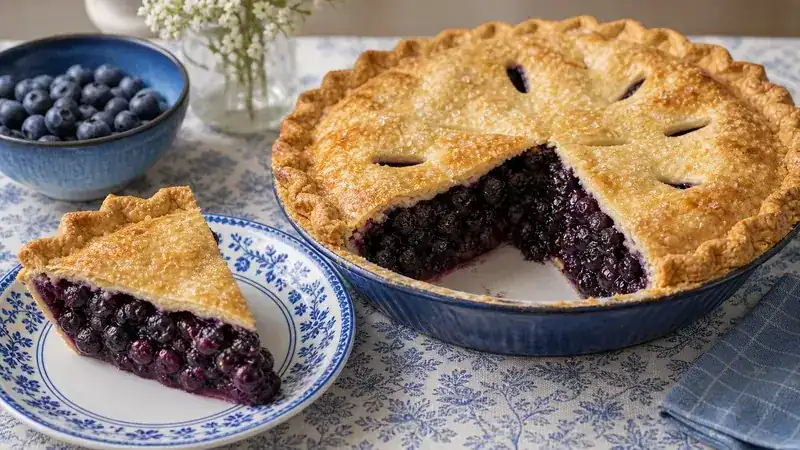
Blueberry Pie
View recipe →