
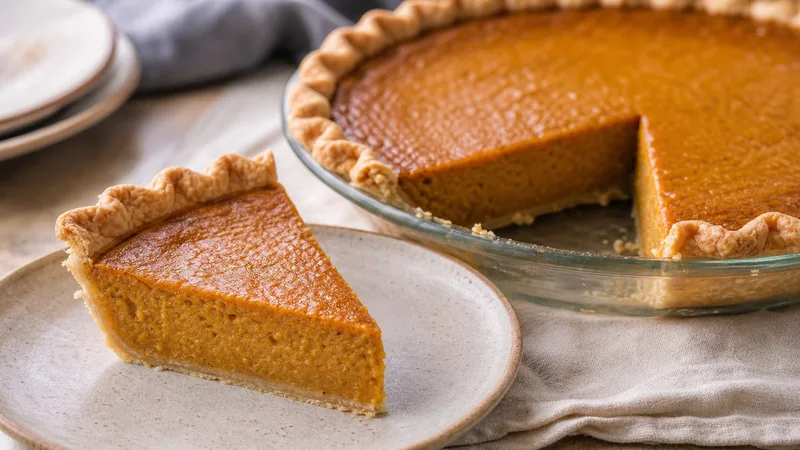
Sweet Potato Pie
The difference between a good sweet potato pie and a grainy orange disappointment starts before the filling ever sees sugar. Roast the sweet potatoes until completely tender, peel them, then beat the flesh smooth before measuring. Under-cooked sweet potato will not magically become silk because you added butter and optimism.
From there, the filling gets softened butter, granulated and brown sugar, eggs, evaporated milk, vanilla, cinnamon, nutmeg, ginger, and a little salt. The goal is a filling that is rich and warmly spiced but still tastes like sweet potato rather than pumpkin pie wearing somebody else’s coat. Bake it in a 9-inch crust until the edges are set and the center still has a slight wobble, then let the pie cool fully so the custard can finish setting.
This is the kind of pie that improves once the flavors settle, which is useful because cutting into a hot custard pie is usually how people end up standing over the sink with a spoon pretending that was the plan.
Ingredients
- 1 unbaked 9-inch pie crust (homemade or store-bought)
- 2 cups mashed sweet potato (from about 2 medium sweet potatoes, approximately 1.5 lbs)
- 1/2 cup (1 stick / 113g) unsalted butter, softened
- 3/4 cup granulated sugar
- 1/4 cup packed light brown sugar
- 2 large eggs
- 1/2 cup evaporated milk
- 1 teaspoon pure vanilla extract
- 1 teaspoon ground cinnamon
- 1/2 teaspoon ground nutmeg (freshly grated if you have it)
- 1/4 teaspoon ground ginger
- 1/4 teaspoon fine salt
Instructions
- 1Preheat your oven to 400°F. Scrub the sweet potatoes, pierce them several times with a fork, and place directly on the oven rack with a foil-lined baking sheet beneath them. Roast for 45–55 minutes until completely tender and the skins look slightly collapsed. Do not rush this step — underdone potato is the enemy of smooth filling.
- 2Once cool enough to handle, peel the sweet potatoes and place the flesh in a large mixing bowl. Mash thoroughly, then beat with a hand mixer on medium speed for about 90 seconds until no lumps remain and the texture is completely smooth. Measure out 2 cups and set aside.
- 3Reduce oven temperature to 350°F. Add the softened butter to the sweet potato and beat until fully incorporated. Add both sugars and beat again until combined.
- 4Add the eggs one at a time, beating well after each addition. Pour in the evaporated milk and vanilla extract and mix until smooth.
- 5Add the cinnamon, nutmeg, ginger, and salt. Beat on low until fully combined. Taste the filling — it should be warmly spiced but not overwhelming. Adjust if needed.
- 6Place your unbaked pie crust in a 9-inch pie dish. Pour the filling into the crust and smooth the top with a spatula. The crust edge may need to be crimped or covered with a pie shield or foil strips to prevent overbrowning.
- 7Bake at 350°F for 55–65 minutes. The pie is done when the edges are set and the center has just a slight jiggle — similar to a baked cheesecake. It will firm as it cools.
- 8Remove from the oven and cool on a wire rack for at least 2 hours before slicing. Cutting into it too early will give you a slide, not a slice.
Nutrition Information
Estimated per serving: 1 of 8 servings.
Estimated from the ingredients and quantities in this recipe using standard food-composition values. Brand choices, trimming, cooking loss, optional ingredients, and actual portion size can change the numbers. How we calculate nutrition estimates.
Pro Tips
- Roasting the sweet potatoes instead of boiling them concentrates the flavor and reduces water content, which gives you a cleaner, more intense filling. Boiling works but you may end up fighting excess moisture.
- Beat the filling thoroughly — this is what separates a silky custard from a pie that tastes like mashed potatoes with ambitions. A hand mixer or stand mixer is worth using here.
- If your pie crust edge starts browning before the filling is set, cover it loosely with aluminum foil strips or a pie crust shield. The crust knows it's not the main event and will act accordingly.
Substitutions
Storage Instructions
Cover the cooled pie with plastic wrap or foil and refrigerate for up to 4 days. Bring to room temperature for 20–30 minutes before serving. The pie can be frozen whole or by the slice, wrapped tightly, for up to 2 months — thaw overnight in the refrigerator.
Make Ahead
The filling can be made up to 2 days ahead and stored covered in the refrigerator. The baked pie itself keeps beautifully for 2–3 days in the fridge and improves slightly on day two as the spices settle in. Bake the day before serving for best results at a holiday table.
Frequently Asked Questions
Can I make this ahead of time?
Yes. The filling can be made up to 2 days ahead and stored covered in the refrigerator. The baked pie itself keeps beautifully for 2–3 days in the fridge and improves slightly on day two as the spices settle in. Bake the day before serving for best results at a holiday table.
How do I store the leftovers?
Cover the cooled pie with plastic wrap or foil and refrigerate for up to 4 days. Bring to room temperature for 20–30 minutes before serving. The pie can be frozen whole or by the slice, wrapped tightly, for up to 2 months — thaw overnight in the refrigerator.
Can I freeze it?
Freezing the finished Sweet Potato Pie can change the texture of the filling. If you need to freeze it, cool it completely and wrap it very well; for best quality, add whipped or fresh garnishes after thawing rather than before.
Can I adjust it for what I have on hand?
Yes. Tested adjustments on this recipe include evaporated milk → full-fat coconut milk; unsalted butter → vegan butter; and granulated + brown sugar → 3/4 cup maple syrup.
What's the most common mistake to avoid?
Roasting the sweet potatoes instead of boiling them concentrates the flavor and reduces water content, which gives you a cleaner, more intense filling. Boiling works but you may end up fighting excess moisture.
More Like This
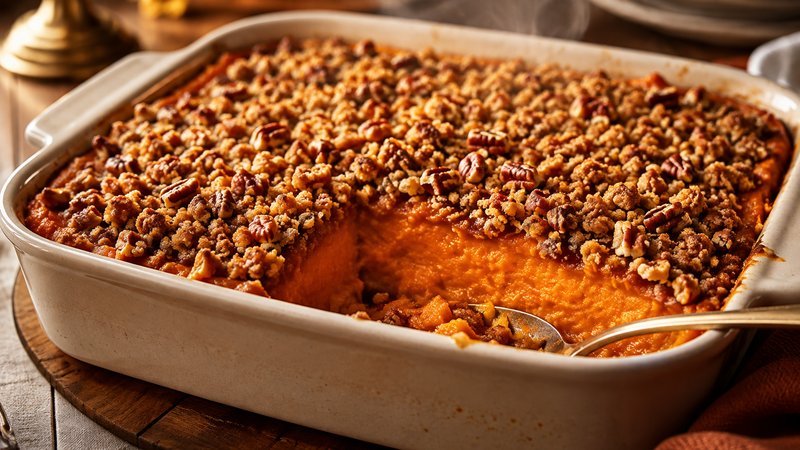 Classic Sweet Potato CasseroleBoth feature Sweet Potato
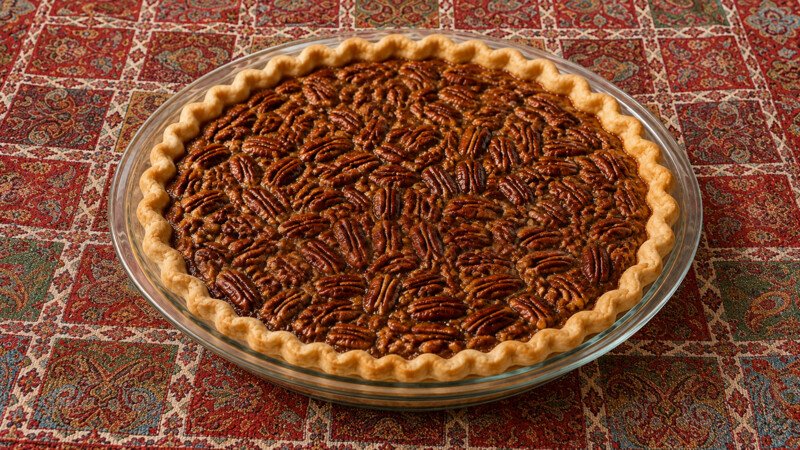 Southern Pecan PieSouthern favorite
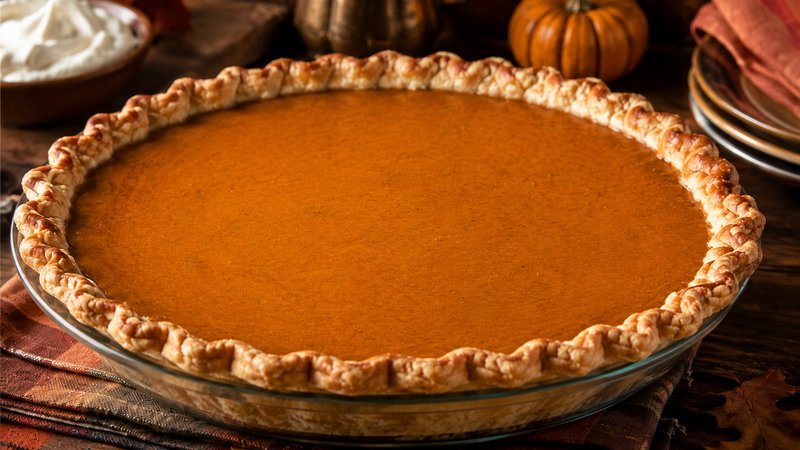 Classic Pumpkin PieSame method: Oven
 Hummingbird CakeSouthern favorite