
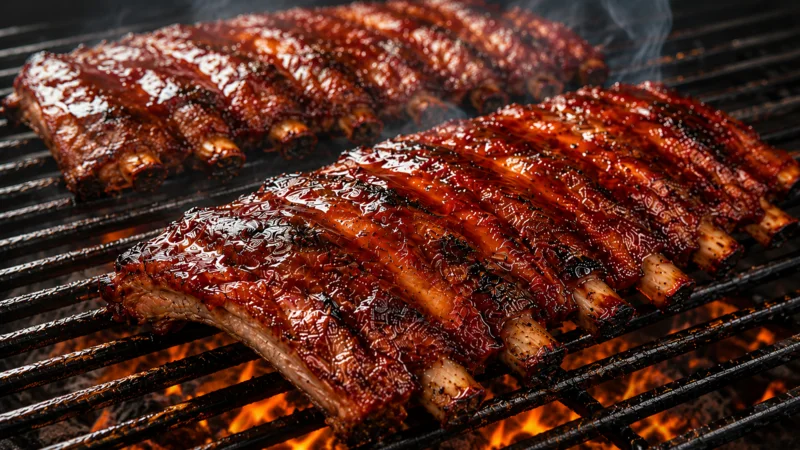
Baby Back Pork Ribs
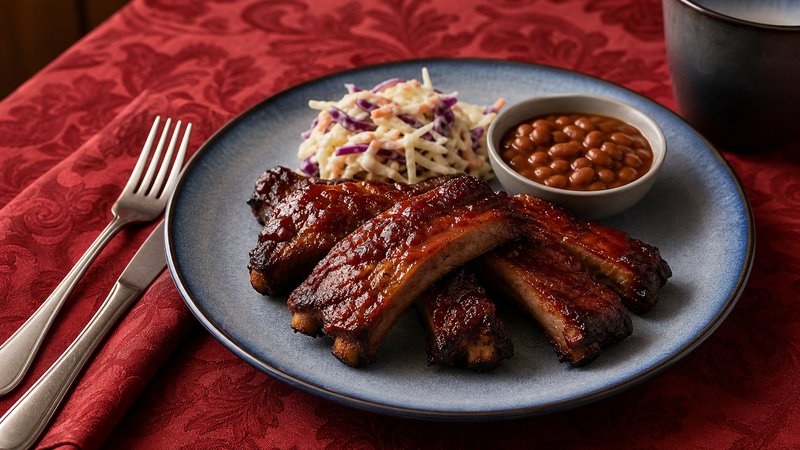
Baby back ribs are pork ribs — specifically the smaller, curved ribs from the upper rib cage near the pork loin. For this recipe, season two racks of pork baby back ribs with a smoky dry rub, wrap tightly in foil, and bake at 275°F for 2.5 to 3 hours until tender. Brush with barbecue sauce, then finish on a hot grill or under the broiler until the glaze is sticky and caramelized.
Baby back ribs are pork ribs. More specifically, they are the smaller, curved ribs from the upper part of the pig's rib cage where the ribs meet the loin, which is why you may also see them labeled pork loin back ribs. They are not beef back ribs, and they are not the same cut as pork spare ribs. The word “baby” refers to the smaller size of the rack, not the age of the animal — a naming decision the meat industry apparently expected everyone to understand without a meeting.
This recipe is built for tenderness first and caramelized barbecue flavor second. Two racks of pork baby back ribs get the membrane removed, then a dry rub of brown sugar, smoked paprika, garlic, onion, black pepper, cayenne, mustard, cumin, and kosher salt. The racks are sealed tightly in foil and baked at 275°F for 2.5 to 3 hours. That low, enclosed cook gives the ribs time to soften without drying out, while the rub seasons the pork all the way across the surface.
Once the racks bend easily and a fork slips between the bones with very little resistance, unwrap them, brush on barbecue sauce, and finish them over a hot grill or under the broiler. This last blast of heat is where the sauce turns glossy, sticky, and lightly charred around the edges. Stay nearby: barbecue sauce contains enough sugar to go from beautiful to evidence in about the time it takes to answer a text. Rest the ribs briefly, slice between the bones, and you get tender pork with a smoky-sweet crust instead of ribs that are either dry, mushy, or hiding behind half a bottle of sauce.
Ingredients
- 2 racks pork baby back ribs (also sold as pork loin back ribs), about 2–2.5 lbs each
- 2 tablespoons brown sugar
- 1 tablespoon smoked paprika
- 1 tablespoon garlic powder
- 1 teaspoon onion powder
- 1 teaspoon black pepper
- 1 teaspoon kosher salt
- 1/2 teaspoon cayenne pepper (adjust to taste)
- 1/2 teaspoon dry mustard
- 1/2 teaspoon cumin
- 1 cup barbecue sauce (store-bought or homemade), plus more for serving
Instructions
- 1Preheat your oven to 275°F. Line two large rimmed baking sheets with heavy-duty aluminum foil.
- 2Pat the pork rib racks dry with paper towels. Flip each rack bone-side up and locate the thin membrane (silverskin) stretched across the back of the ribs. Slide a butter knife under the membrane at the center, grip it with a dry paper towel, and pull it off in one piece. If it tears, work in sections. This step matters — skip it and you'll get a chewy texture no amount of low heat can fix.
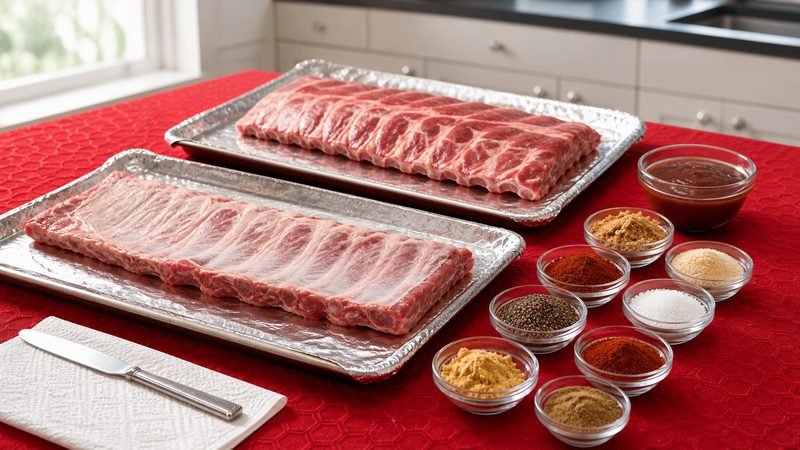
- 3Mix together the brown sugar, smoked paprika, garlic powder, onion powder, black pepper, kosher salt, cayenne, dry mustard, and cumin in a small bowl to make the dry rub.
- 4Coat both sides of each rack generously with the dry rub, pressing it in with your hands so it adheres. Don't be shy here — this is where the flavor lives.
- 5Place each rack meat-side up on a sheet of foil large enough to wrap it completely. Bring the foil up and around the ribs, fold it over the top, then crimp the edges to create a tight seal. You want steam trapped inside. Place the wrapped racks on the prepared baking sheets.
- 6Bake at 275°F for 2.5 to 3 hours. At the 2.5-hour mark, carefully open one foil packet and pierce the meat between the bones with a fork. If it slides in without resistance, they're done. If there's any toughness, reseal and return to the oven for another 20–30 minutes.
- 7While the ribs finish, preheat your grill to medium-high heat (about 400°F), or set your oven broiler to high.
- 8Remove the ribs from the foil. They will be very tender — handle them carefully. Brush both sides generously with barbecue sauce.
- 9For the grill: Place the racks meat-side down over direct heat for 4–5 minutes until the sauce caramelizes and you get visible char marks. Flip, brush more sauce on the top, and grill bone-side down for another 4–5 minutes. For the broiler: Place ribs on a foil-lined baking sheet, brush with sauce, and broil 6 inches from the heat for 4–5 minutes per side, watching closely — the sugar in the sauce will burn fast if you wander off.
- 10Remove from heat and let the ribs rest for 5 minutes before slicing. Cut between the bones with a sharp knife and serve with extra barbecue sauce on the side.

Nutrition Information
Estimated per serving: 1 of 4 servings.
Estimated from the ingredients and quantities in this recipe using standard food-composition values. Brand choices, trimming, cooking loss, optional ingredients, and actual portion size can change the numbers. How we calculate nutrition estimates.
Pro Tips for Pork Baby Back Ribs
- At the store, look for packages labeled baby back ribs or pork loin back ribs. Beef back ribs are a completely different cut, and St. Louis-style ribs are pork spare ribs trimmed into a rectangular rack; neither should be treated as a one-for-one swap for timing.
- Pull the membrane from the bone side before seasoning. It is a thin, papery layer that stays chewy after cooking and blocks the rub from contacting that side of the pork. Start an edge with a butter knife and use a dry paper towel for grip.
- Do not judge tenderness by the clock alone. Start checking around 2.5 hours. The rack should bend deeply when lifted, the meat should have pulled back slightly from the bone ends, and a fork inserted between the bones should meet very little resistance.
- Save the barbecue sauce for the finish. The dry rub can handle the long low bake; a sugary sauce is much happier during the short grill or broiler stage where it can caramelize without spending hours trying to burn.
- If you have time, season the pork ribs the night before and refrigerate them uncovered. The rub will draw a little moisture to the surface and form a tacky, deeply seasoned coating by the next day.
Substitutions
Storage Instructions
Leftover ribs keep well refrigerated in an airtight container or wrapped tightly in foil for up to 4 days. Reheat in a 300°F oven wrapped in foil for 20–25 minutes, or until heated through. For longer storage, freeze individual portions wrapped in plastic wrap and then foil for up to 3 months. Thaw overnight in the refrigerator before reheating.
Make Ahead
The ribs can be fully cooked through the oven-bake step up to 2 days ahead. Cool completely, then refrigerate still wrapped in foil. When ready to serve, bring to room temperature for 30 minutes, then proceed with the grill or broiler step to glaze and finish. This actually makes party-day logistics much more manageable and the results are just as good.
Frequently Asked Questions
Are baby back ribs pork or beef?
Baby back ribs are pork ribs. They come from the upper part of the pig's rib cage near the loin and may also be sold as pork loin back ribs. Beef back ribs are a different cut from cattle and are not what this recipe calls for.
What is the difference between baby back ribs and spare ribs?
Both are pork ribs, but baby backs come from higher on the rib cage near the loin and are smaller and more curved. Spare ribs come from the lower rib cage toward the belly, so they are typically larger, flatter, and fattier. St. Louis-style ribs are spare ribs that have been trimmed into a more even rectangular rack.
Do I have to remove the membrane from pork baby back ribs?
Remove it when it is present. The membrane on the bone side can stay chewy even after a long cook and prevents the dry rub from contacting that surface. Loosen one edge with a butter knife, grab it with a dry paper towel, and peel it away.
How do I know when baby back ribs are tender?
Start checking after about 2.5 hours at 275°F. The rack should bend readily when lifted, the meat should pull back slightly from the bone ends, and a fork pushed between the bones should slide in with very little resistance. If the rack still feels stiff, reseal the foil and continue cooking in 20–30 minute increments.
Can I make these pork ribs ahead and reheat them?
Yes. Cook the ribs through the foil-baked stage, cool them, and refrigerate them tightly wrapped for up to 2 days. Before serving, let them sit out briefly while the grill or broiler heats, then brush with barbecue sauce and finish over high heat. Leftovers can be reheated wrapped in foil in a 300°F oven until hot.
Make It a Meal
Pair this recipe with a side, bread, and something sweet from the FAFO Kitchen.