

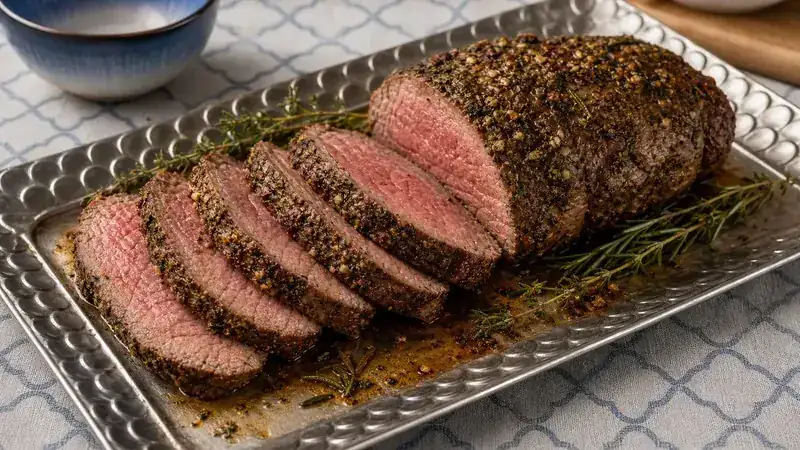
Herb-Crusted Beef Tenderloin
To make beef tenderloin, tie the roast, season it generously, sear it in a hot oven-safe skillet, then roast at 425°F until it reaches 130°F internally for medium-rare. Rest it for at least 15 minutes before slicing.
A whole beef tenderloin is not the cut of meat for casual guessing. It is expensive, beautifully tender, and shaped like nature was trying to make roasting unnecessarily complicated. Folding the thin tail under and tying the roast at roughly 1 1/2-inch intervals fixes that last problem by creating a more even cylinder, which means the narrow end has a fighting chance of reaching the table at the same doneness as the center. This version gets coated with garlic, rosemary, thyme, Dijon, softened butter, smoked paprika, salt, and pepper, then seared hard in an oven-safe skillet before moving into a 425°F oven. The sear builds the dark exterior; the oven handles the middle. For medium-rare, start watching the thermometer early and pull the thickest part around 125 to 130°F. For medium, 135°F is the target given in the recipe. A thermometer here is not kitchen fussiness. It is insurance on several pounds of tenderloin and whatever mood the person who paid for it is currently in.
Then rest the roast for 15 full minutes. The internal temperature continues to rise and the juices redistribute while you do absolutely nothing, which may be the most professionally responsible inactivity available in cooking. Slice it into thick medallions afterward and you get a rosy center, browned herb crust, and a centerpiece that looks far more dramatic than the ingredient list suggests.
Ingredients
- 1 whole beef tenderloin (4 to 4 1/2 pounds), trimmed and tied
- 2 tablespoons olive oil
- 2 tablespoons unsalted butter, softened
- 6 garlic cloves, minced
- 2 tablespoons fresh rosemary, finely chopped
- 2 tablespoons fresh thyme leaves
- 1 tablespoon Dijon mustard
- 2 teaspoons kosher salt
- 1 teaspoon freshly ground black pepper
- 1/2 teaspoon smoked paprika
- 1 tablespoon neutral oil (canola or vegetable) for searing
Instructions
- 1Remove the tenderloin from the refrigerator 45 to 60 minutes before cooking to bring it to room temperature. Pat it completely dry with paper towels — surface moisture is the enemy of a good sear.
- 2Preheat your oven to 425°F. If your tenderloin is not already trimmed and tied, fold the thin tail end under the roast and tie it with butcher's twine at 1 1/2-inch intervals to create an even thickness throughout. This ensures it cooks evenly.
- 3In a small bowl, combine the softened butter, garlic, rosemary, thyme, Dijon mustard, salt, pepper, and smoked paprika. Mix well into a paste.
- 4Rub the olive oil over the entire surface of the tenderloin, then coat it thoroughly with the herb-butter paste, pressing it into the meat. Every surface should be covered.
- 5Heat a large oven-safe skillet (cast iron preferred) over high heat until it is very hot — about 2 to 3 minutes. Add the neutral oil. Sear the tenderloin for 2 to 3 minutes per side, rotating to sear all sides, until a deep brown crust forms all around. This takes approximately 8 to 10 minutes total. Do not rush this step.
- 6Transfer the skillet directly to the preheated oven. Roast until an instant-read thermometer inserted into the thickest part reads 125°F to 130°F for medium-rare, approximately 20 to 25 minutes. For medium, pull at 135°F. Check at the 18-minute mark.
- 7Remove the tenderloin from the oven and transfer it to a cutting board. Tent loosely with foil and rest for 15 minutes. The internal temperature will rise about 5°F during resting. Do not skip this step.
- 8Remove the butcher's twine. Slice crosswise into 1-inch to 1 1/2-inch medallions and serve immediately.
Nutrition Information
Estimated per serving: 1 of 8 servings.
Estimated from the ingredients and quantities in this recipe using standard food-composition values. Brand choices, trimming, cooking loss, optional ingredients, and actual portion size can change the numbers. How we calculate nutrition estimates.
Pro Tips
- A reliable instant-read thermometer is non-negotiable here. Guessing the doneness of a $60 roast based on touch is how you end up having a very quiet holiday dinner.
- Pat the meat bone-dry before searing. Any moisture left on the surface will steam instead of sear, and you will get a gray crust instead of the dark, mahogany one you are looking for. This is the most common mistake and the easiest to avoid.
- Let the roast rest the full 15 minutes. Cutting into it early releases all the juices onto the cutting board, and the cutting board does not deserve them.
Substitutions
Storage Instructions
Refrigerate leftovers wrapped tightly in plastic wrap or in an airtight container for up to 3 days. Reheat gently in a 250°F oven until just warmed through, about 15 minutes, to avoid overcooking the meat further. Sliced tenderloin also makes an exceptional cold roast beef sandwich the next day, which is honestly the second-best thing about making it.
Make Ahead
The herb-butter paste can be made up to 2 days in advance and stored covered in the refrigerator. The tenderloin can also be rubbed with the paste, covered tightly, and refrigerated up to 24 hours before cooking — this actually deepens the flavor. Bring to room temperature for at least 45 minutes before searing.
Freezing
Yes. Cool the cooked Herb-Crusted Beef Tenderloin completely, portion it with any juices or sauce to protect it from drying out, and freeze airtight. Thaw in the refrigerator before reheating thoroughly.
Make It a Meal
Pair this recipe with a side, bread, and something sweet from the FAFO Kitchen.
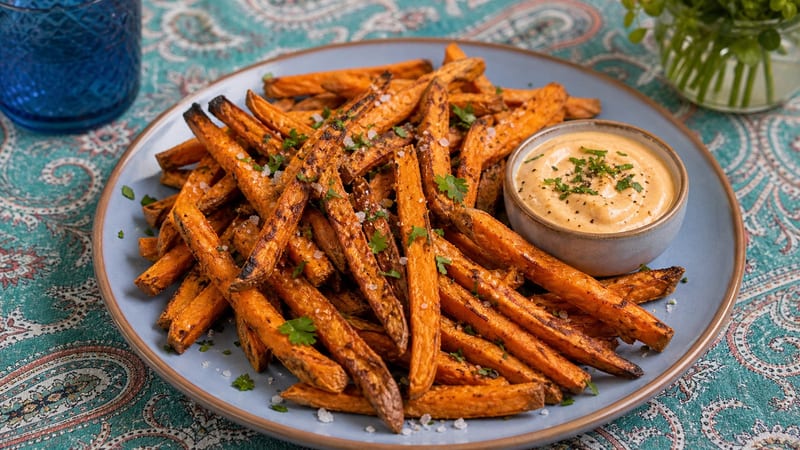
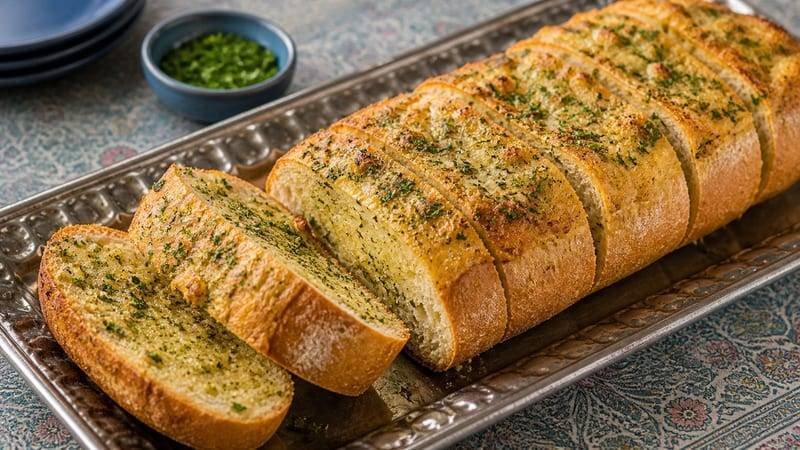
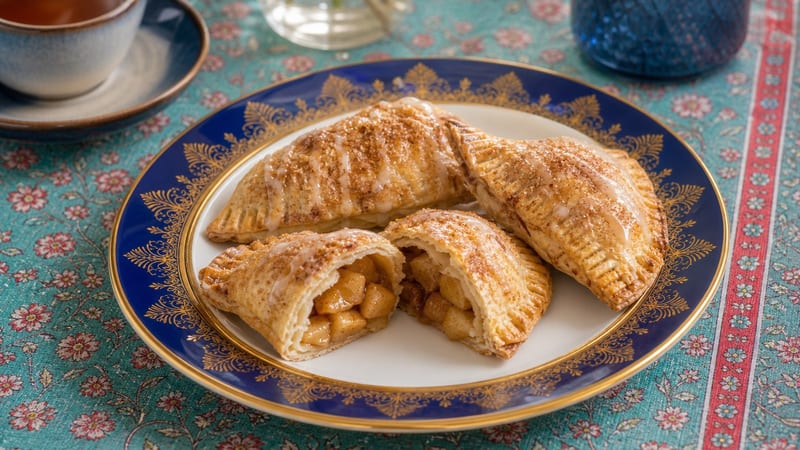
More Like This
You Might Also Like
Finish With Dessert
Try this next
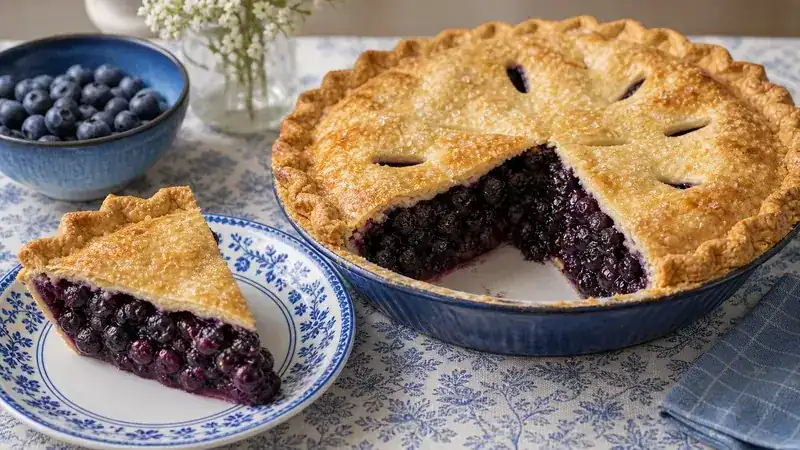
Blueberry Pie
View recipe →