

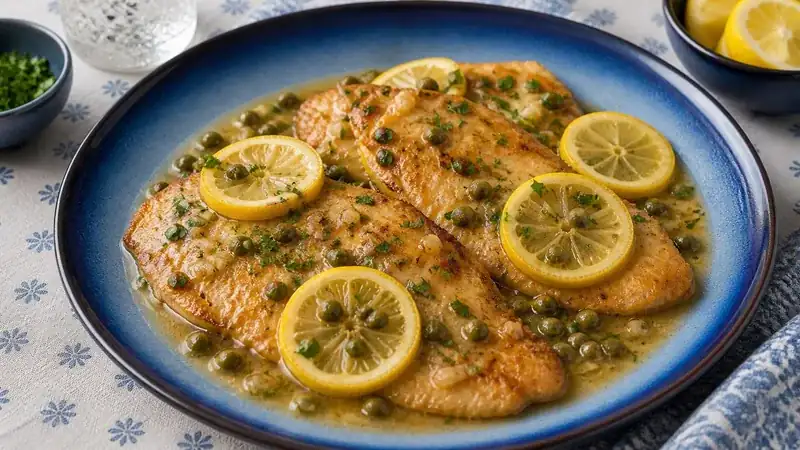
Chicken Piccata
To make chicken piccata, pound chicken breasts thin, dredge in flour, pan-fry in butter and olive oil until golden, then build a pan sauce with lemon juice, chicken broth, capers, and butter. The whole process takes about 30 minutes and uses one skillet.
Chicken Piccata looks delicate on a plate, but the flavor is not remotely shy. Thin, golden chicken cutlets sit in a sharp sauce of fresh lemon, dry white wine, chicken broth, capers, garlic, and butter. The entire thing is built around contrast: browned flour coating against bright acid, salty capers against rich butter, tender chicken against a sauce that wakes up basically every part of your mouth at once.
The cutlets need to be an even 1/4 inch so they brown quickly without drying out, and the wine gets a chance to scrape all the browned bits from the skillet before the broth and lemon reduce. Then comes the part that separates glossy piccata from a puddle of melted butter: remove the pan from the heat before swirling in the final cold butter. Residual heat is enough to melt it slowly into the sauce without breaking the emulsion.
Use fresh lemon juice. Bottled lemon juice has many possible roles in this world, but being the main flavor in a 30-minute pan sauce should not be one of them. Finish with parsley and lemon slices, and serve while the sauce is still bright, silky, and clinging to the chicken.
Ingredients
- 2 large boneless, skinless chicken breasts (about 1.5 lbs total)
- 1/2 cup all-purpose flour
- 1/2 teaspoon kosher salt
- 1/4 teaspoon black pepper
- 3 tablespoons unsalted butter, divided
- 2 tablespoons olive oil
- 3 cloves garlic, minced
- 1/2 cup dry white wine (or additional chicken broth)
- 1/2 cup low-sodium chicken broth
- 1/4 cup fresh lemon juice (about 2 lemons)
- 3 tablespoons capers, drained
- 2 tablespoons fresh flat-leaf parsley, chopped
- Lemon slices, for serving
Instructions
- 1Slice each chicken breast in half horizontally to create 4 thin cutlets. Place each cutlet between two sheets of plastic wrap and pound to an even 1/4-inch thickness using a meat mallet or the bottom of a heavy skillet.
- 2In a shallow dish, whisk together the flour, salt, and pepper. Dredge each chicken cutlet in the seasoned flour, shaking off any excess. Set aside on a plate.
- 3In a large skillet, heat 1 tablespoon of butter and the olive oil over medium-high heat until the butter is melted and the foam begins to subside. The pan should be hot — a drop of water should sizzle immediately.
- 4Add 2 cutlets to the skillet in a single layer. Cook undisturbed for 3 to 4 minutes until golden brown on the bottom. Flip and cook another 2 to 3 minutes until cooked through and golden on the second side. Transfer to a plate and tent loosely with foil. Repeat with remaining cutlets.
- 5Reduce heat to medium. Add the garlic to the same skillet and cook, stirring, for 30 seconds until fragrant. Do not let it burn.
- 6Pour in the white wine and scrape up any browned bits from the bottom of the pan. Let the wine cook down for 2 minutes.
- 7Add the chicken broth and lemon juice. Bring to a simmer and cook for 3 to 4 minutes until the sauce has reduced slightly. Cook poultry until the thickest piece reaches 165°F on an instant-read thermometer.
- 8Remove the skillet from heat. This step is not optional. Add the remaining 2 tablespoons of cold butter to the pan and swirl or stir constantly until fully melted and the sauce looks glossy and cohesive. If the pan is too hot, the butter will break instead of emulsify.
- 9Stir in the capers. Return the chicken cutlets to the skillet and spoon the sauce over them. Let everything rest together for 1 minute.
- 10Transfer to a serving platter, pour remaining sauce over the top, and garnish with fresh parsley and lemon slices. Serve immediately.
Nutrition Information
Estimated per serving: 1 of 4 servings.
Estimated from the ingredients and quantities in this recipe using standard food-composition values. Brand choices, trimming, cooking loss, optional ingredients, and actual portion size can change the numbers. How we calculate nutrition estimates.
Pro Tips
- Pound the chicken thin and even — thicker spots cook slower, which means you'll either have dry edges or a pink center, and neither is a good outcome for anyone at that table.
- Pull the pan completely off the heat before adding the finishing butter. This is the move that separates a glossy, restaurant-quality sauce from the greasy disappointment I served a date in 2019. The pan holds enough residual heat to melt the butter slowly, which is exactly what you want.
- Use fresh lemon juice, not bottled. Bottled lemon juice in piccata sauce tastes like a cleaning product made a wrong turn, and your chicken deserves better than that.
Substitutions
Storage Instructions
Store leftovers in an airtight container in the refrigerator for up to 3 days. The sauce will thicken considerably when cold. Reheat gently in a covered skillet over low heat with a splash of chicken broth to loosen the sauce back up. Do not microwave at high heat — the sauce will break and the chicken will go rubbery.
Make Ahead
The chicken can be pounded and stored between layers of parchment paper in the refrigerator for up to 24 hours before cooking. The sauce is best made fresh — it takes only a few minutes and does not hold or reheat as well as the dish made complete. If you must get ahead, cook everything and refrigerate; reheat as directed in storage notes.
Freezing
You can freeze cooked Chicken Piccata, but the flour coating softens in the sauce. Cool the chicken and sauce completely, freeze airtight, thaw in the refrigerator, and reheat gently; add fresh parsley and a squeeze of lemon after reheating.
Make It a Meal
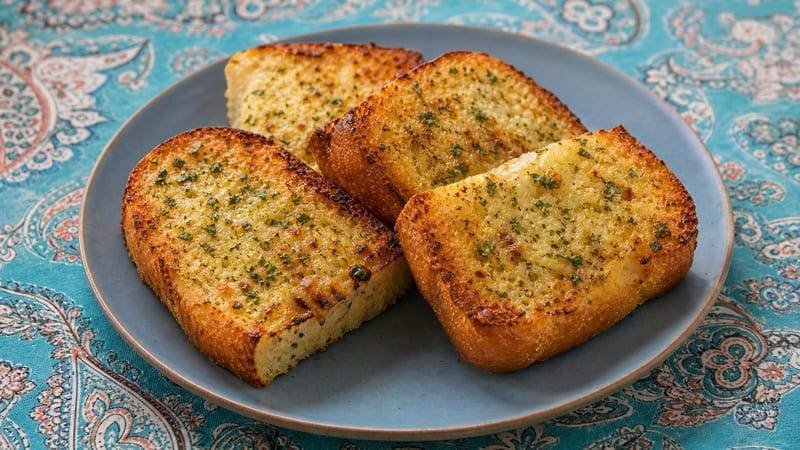
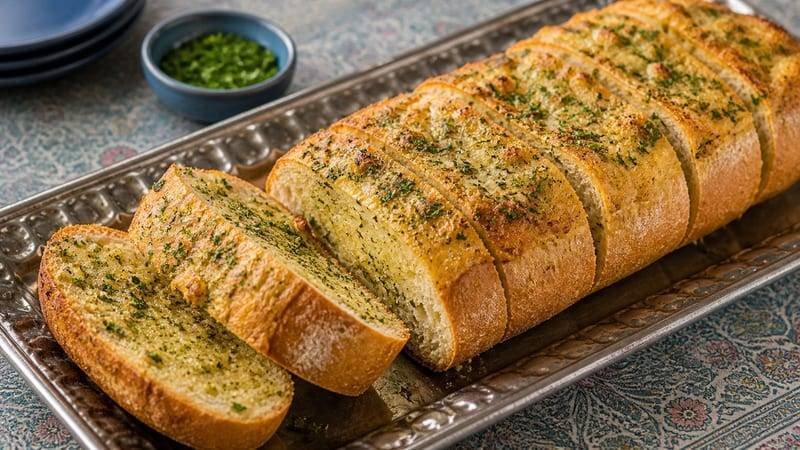
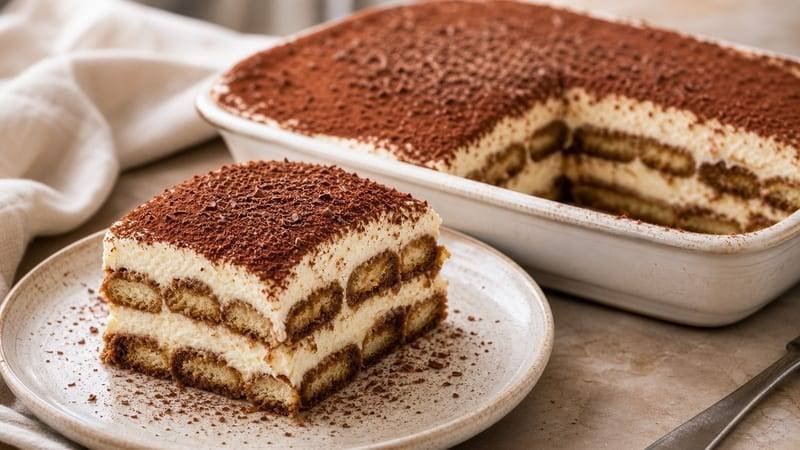
Pair this recipe with a side, bread, and something sweet from the FAFO Kitchen.
More Like This
You Might Also Like


Finish With Dessert

Try this next
Red Velvet Cake Recipe That Actually Earns the Drama
View recipe →