


Hollandaise Sauce
Whisk egg yolks with lemon juice over a double boiler until thick and pale, then slowly drizzle in warm clarified butter while whisking constantly until the sauce is creamy and coats a spoon. The whole process takes about 15 minutes and requires low, steady heat — hollandaise breaks when it gets too hot.
Hollandaise is butter and egg yolks performing a trust exercise over simmering water. When it works, you get a glossy, lemony sauce that feels absurdly luxurious for something made from such ordinary ingredients. When it breaks, you get warm yellow panic. The difference is mostly temperature and patience.
The yolks are whisked with cold water and lemon juice over gentle steam until they thicken enough to hold a ribbon. That stage matters because you are building the structure that will accept the butter. Then clarified butter goes in slowly—painfully slowly at first—while you keep whisking. Rush that opening drizzle and the emulsion can separate before it ever has a chance to stabilize.
Once the sauce is thick and glossy, cayenne, salt, white pepper, and more lemon adjust the finish. Serve it immediately over eggs, vegetables, fish, or anything else that deserves to be covered in warm butter while still pretending this is a sophisticated culinary technique. Hollandaise is fussy, but it is predictably fussy, which means once you understand the heat and the slow butter addition, the drama becomes manageable.
Ingredients
- 3 large egg yolks
- 1 tablespoon cold water
- 1 tablespoon fresh lemon juice, plus more to taste
- 1/2 cup (1 stick / 113g) unsalted butter, clarified (see tips)
- Pinch of cayenne pepper
- 1/4 teaspoon kosher salt, or to taste
- White pepper to taste (optional)
Instructions
- 1Set up a double boiler: fill a medium saucepan with about 1 inch of water and bring it to a bare simmer over medium-low heat. The water should steam, not boil.
- 2In a heatproof bowl that will sit over the saucepan without touching the water, whisk together the egg yolks, cold water, and lemon juice until the mixture is pale and slightly foamy, about 1 minute.
- 3Set the bowl over the simmering water and whisk constantly, moving the whisk in wide circles and scraping the edges of the bowl. The mixture will slowly thicken — this takes 3 to 5 minutes. When it holds a ribbon shape when you lift the whisk and coats the back of a spoon, it's ready. If the bowl feels too hot to hold briefly with a bare hand, remove it from the heat and keep whisking off the heat for 30 seconds.
- 4Remove the bowl from the heat. Very slowly — a thin, steady drizzle — begin adding the warm clarified butter while whisking constantly. Do not rush this step. Add the first few tablespoons drop by drop, then increase to a thin stream once the sauce begins to emulsify and thicken.
- 5Continue whisking in all the clarified butter until the sauce is thick, glossy, and creamy. It should coat a spoon and hold its shape briefly.
- 6Season with cayenne, salt, and white pepper. Taste and add more lemon juice if you want more brightness. Serve immediately.
Nutrition Information
Estimated per serving: 1 of 4 servings.
Estimated from the ingredients and quantities in this recipe using standard food-composition values. Brand choices, trimming, cooking loss, optional ingredients, and actual portion size can change the numbers. How we calculate nutrition estimates.
Pro Tips
- To clarify butter: melt the stick of butter gently over low heat, then let it sit for 2 minutes. Skim the white foam off the top and slowly pour the clear yellow butter into a small bowl, leaving the milky white liquid at the bottom behind. That milky stuff is what makes hollandaise break — clarified butter is more stable and gives you a better shot at success.
- Keep the heat low. This is the one rule. If your yolks look like they're scrambling at the edges, pull the bowl off immediately and whisk hard. You can usually rescue it by moving fast.
- If your sauce does break — meaning it looks greasy and separated — don't panic. Start with a fresh egg yolk and a teaspoon of warm water in a clean bowl, whisk it over gentle heat until slightly thickened, then slowly whisk your broken sauce into the new yolk mixture like you meant to do it this way the whole time. It works. I have done this in front of people and they never knew.
Substitutions
Storage Instructions
Hollandaise sauce does not store well and is best served immediately. If you must hold it, keep it warm (not hot) in a bowl set over warm water for up to 1 hour, whisking occasionally. Do not refrigerate and reheat — the texture will not recover and the food safety window on a held egg-based sauce is 2 hours maximum. Make it fresh.
Make Ahead
The clarified butter can be made up to 2 weeks ahead and stored in the refrigerator. Gently rewarm it before use. The hollandaise itself should be made right before serving.
Freezing
I would not freeze Hollandaise Sauce. The egg-yolk and butter emulsion is likely to split after freezing and thawing; make it fresh and hold it only briefly and gently.
Frequently Asked Questions
Can I make this ahead of time?
Hollandaise is best made close to serving. You can clarify the butter, separate the egg yolks, and measure the lemon juice ahead, but whisk and emulsify the sauce shortly before it is needed.
How do I store the leftovers?
Hollandaise sauce does not store well and is best served immediately. If you must hold it, keep it warm (not hot) in a bowl set over warm water for up to 1 hour, whisking occasionally. Do not refrigerate and reheat — the texture will not recover and the food safety window on a held egg-based sauce is 2 hours maximum. Make it fresh.
Can I freeze it?
I would not freeze Hollandaise Sauce. The egg-yolk and butter emulsion is likely to split after freezing and thawing; make it fresh and hold it only briefly and gently.
Can I adjust it for what I have on hand?
Yes. Tested adjustments on this recipe include clarified butter → regular unsalted butter, melted; fresh lemon juice → white wine vinegar or champagne vinegar; and egg yolks → no reliable egg-free substitute for classic hollandaise.
What's the most common mistake to avoid?
To clarify butter: melt the stick of butter gently over low heat, then let it sit for 2 minutes. Skim the white foam off the top and slowly pour the clear yellow butter into a small bowl, leaving the milky white liquid at the bottom behind. That milky stuff is what makes hollandaise break — clarified butter is more stable and gives you a better shot at success.
How long does it take?
About 20 minutes from start to finish — including 10 minutes of active cooking.
More Like This


You Might Also Like


Finish With Dessert
Try this next
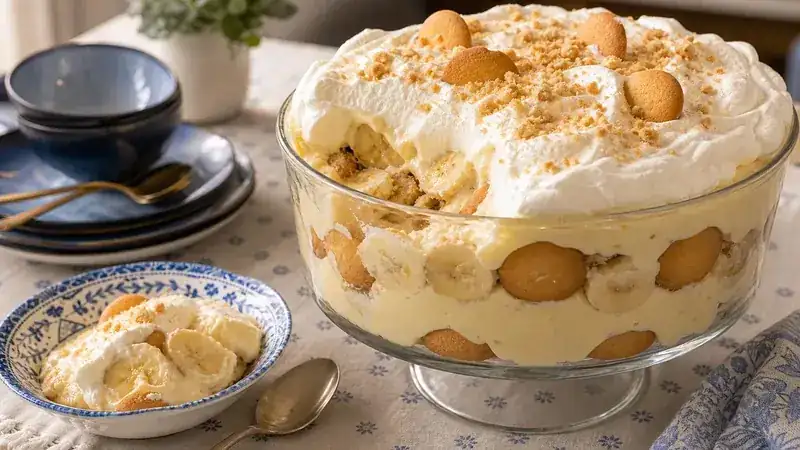
Banana Pudding
View recipe →