
America 250 Freedom anniversary
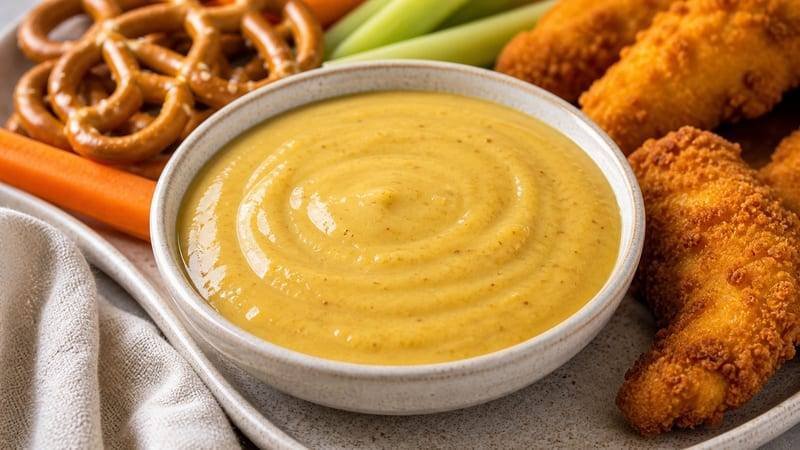
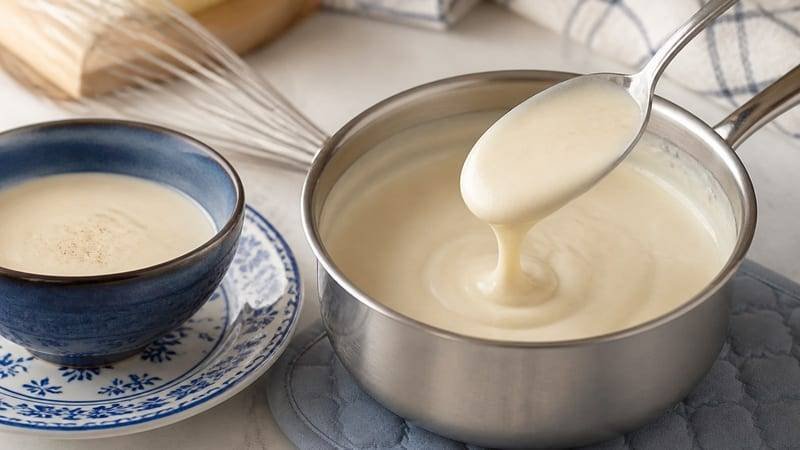
Cheese Sauce finished and ready to serve

Cheese Sauce

Quick Answer

Cheese Sauce builds a quick butter-flour roux, whisks in milk, then melts sharp cheddar off the heat for a smooth, pourable sauce that never goes grainy.

Jump to Recipe

Cheese sauce is easy right up until it turns grainy, oily, or somehow manages to become both at once. The fix is not more stirring; it is gentler heat and the right order of operations. Butter and flour cook together first to make a pale roux, warm milk gets whisked in slowly, and the sauce simmers just long enough to coat the back of a spoon. Then the pan comes off the heat before the cheddar goes anywhere near it.

That pause matters because cheese proteins do not enjoy being boiled. Freshly grated sharp cheddar melts into the residual heat in handfuls, while Dijon mustard, cayenne, and salt keep the finished sauce from tasting like liquefied dairy with no adult supervision. Pre-shredded cheese can work in emergencies, but the anti-caking coating on bagged shreds makes a smooth emulsion harder to pull off.

In about 15 minutes you get a glossy, pourable sauce for broccoli, fries, burgers, baked potatoes, or whatever else you were pretending did not need cheese. Serve it warm. Once it cools, it starts setting up, because cheddar has never once respected your timeline.

Prep5 minutes
Cook10 minutes
Total15 minutes
Servesabout 2 cups
DifficultyEasy

Ingredients

Servings
  • 2 tablespoons unsalted butter
  • 2 tablespoons all-purpose flour
  • 1 1/2 cups whole milk, warmed
  • 8 ounces sharp cheddar, freshly grated (about 2 cups)
  • 1 teaspoon Dijon mustard
  • 1/4 teaspoon kosher salt
  • Pinch of cayenne pepper

Instructions

  1. 1Melt the butter in a saucepan over medium heat. Whisk in the flour and cook for 1 to 2 minutes, until it smells faintly nutty but has not browned.
  2. 2Whisk in the warm milk in a slow stream, keeping the whisk moving so no lumps form.
  3. 3Simmer gently for 3 to 4 minutes, whisking often, until the sauce is thick enough to coat the back of a spoon.
  4. 4Remove the pan from the heat. Wait 30 seconds, then add the cheddar a handful at a time, whisking each addition until fully melted before adding the next.
  5. 5Whisk in the Dijon, salt, and cayenne. Taste and adjust — then serve warm, before it has a chance to think about setting up.

Nutrition Information

Estimated per serving: 2 tablespoons (about 16 servings in the batch).

85Calories
4 gProtein
2 gCarbohydrates
7 gTotal Fat
4 gSaturated Fat
0 gFiber
1 gTotal Sugars
140 mgSodium
21 mgCholesterol

Estimated from the ingredients and quantities in this recipe using standard food-composition values. Brand choices, trimming, cooking loss, optional ingredients, and actual portion size can change the numbers. How we calculate nutrition estimates.

Pro Tips

  • Grate your own cheese from a block. The cellulose coating on bagged shreds is the number-one cause of grainy, broken cheese sauce.
  • Add the cheese off the heat, a handful at a time. Cheese proteins seize above a gentle simmer — residual heat is all the melting power you need.
  • Warm the milk before whisking it in. Cold milk into hot roux drops the pan temperature and invites lumps; warm milk keeps everything moving.

Substitutions

sharp cheddar → half cheddar, half Monterey Jack or Gruyère Jack melts silkier for nacho duty; Gruyère takes it in a fondue direction.
whole milk → 2% milk plus 2 tablespoons cream Straight low-fat milk makes a thinner, less plush sauce — the cream buys the richness back.
Dijon mustard → 1/2 teaspoon mustard powder Whisk it into the roux with the flour so it dissolves fully.

Storage Instructions

Store in an airtight container in the refrigerator for up to 4 days. Reheat gently over low heat with a splash of milk, whisking until it loosens back to pourable — never microwave it on full power.

Make Ahead

Cheese sauce is best made within an hour of serving, held warm over the lowest heat with an occasional stir. If you must work further ahead, undercook it slightly thick and thin it with milk while reheating.

Freezing

Freezing is not worth it — the sauce separates when thawed and reheats greasy. It takes 15 minutes start to finish, which is faster than properly rescuing a broken one.

Frequently Asked Questions

Can I make this ahead of time?

Cheese sauce is best made within an hour of serving, held warm over the lowest heat with an occasional stir. If you must work further ahead, undercook it slightly thick and thin it with milk while reheating.

How do I store the leftovers?

Store in an airtight container in the refrigerator for up to 4 days. Reheat gently over low heat with a splash of milk, whisking until it loosens back to pourable — never microwave it on full power.

Can I freeze it?

Freezing is not worth it — the sauce separates when thawed and reheats greasy. It takes 15 minutes start to finish, which is faster than properly rescuing a broken one.

Can I adjust it for what I have on hand?

Yes — the cheese is the flexible half. Any good melting cheese can ride along with the cheddar, and the cayenne and Dijon scale to taste. The roux ratio (2 tablespoons each butter and flour to 1 1/2 cups milk) is the part to keep as written.

What's the most common mistake to avoid?

Grate your own cheese from a block. The cellulose coating on bagged shreds is the number-one cause of grainy, broken cheese sauce.

How long does it take?

About 15 minutes from start to finish, including 10 minutes of active cooking. It is 15 genuinely active minutes — this sauce wants your whisk hand the whole time, but it never wants it for long.

Finish With Dessert

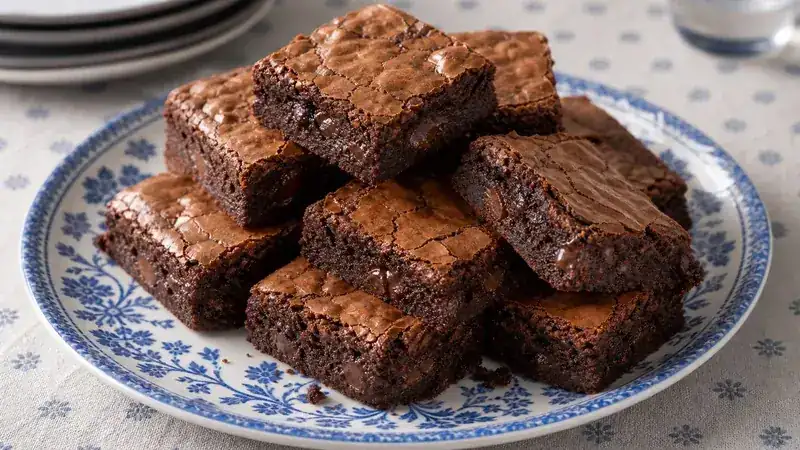
Brownies

Try this next

Brownies Recipe: Fudgy From Scratch, No Apologies

View recipe →

Lila, the editorial persona and visual host of Fork Around & Find Out Kitchen

About Lila

Lila is the editorial persona and visual host of Fork Around & Find Out Kitchen. Recipes presented in the Lila voice are developed, edited, and published under FAFO Kitchen's editorial standards.

Found a problem? Tell FAFO Kitchen.