

Fried Chicken
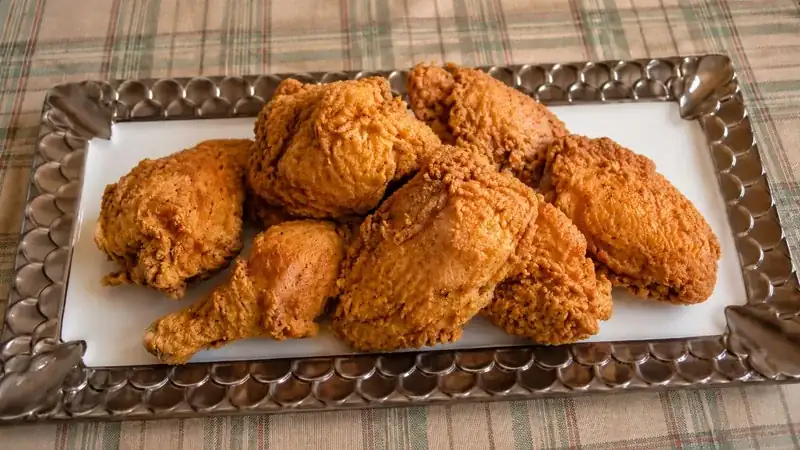
To make fried chicken, soak bone-in chicken pieces in seasoned buttermilk for at least 4 hours, dredge them in seasoned flour, rest the coated chicken on a rack, then fry in 325°F to 350°F oil until the crust is deeply golden and the meat reaches 165°F. Let the fried chicken rest before serving so the crust stays crisp and nobody burns their mouth trying to prove something.
Fried chicken is one of those foods that exposes impatience immediately. Rush the buttermilk soak and the meat misses its chance to season and tenderize; rush the dredge and the coating slides off; crank the oil too hot and you get a beautiful brown crust wrapped around chicken that still has unfinished business in the middle. This version gives bone-in chicken at least 4 hours in seasoned buttermilk, then coats it in seasoned flour and lets that coating rest long enough to actually grab onto the surface.
The frying happens between 325°F and 350°F, which is the useful middle ground between greasy and scorched. That range gives the crust time to turn deeply golden and crisp while the chicken cooks through to 165°F. Let the pieces rest on a rack instead of piling them onto paper towels, where steam can soften all the work you just did. The result is the fried chicken people mean when they say “fried chicken”: craggy crust, juicy meat, and enough crunch that the first bite briefly makes conversation unnecessary.
Ingredients
- 3 to 3.5 lbs bone-in, skin-on chicken pieces (thighs, drumsticks, breasts halved — mix your preference)
- 2 cups buttermilk
- 1 tablespoon hot sauce (Louisiana-style)
- 2 teaspoons kosher salt (for the brine)
- 1 teaspoon black pepper (for the brine)
- 1 teaspoon garlic powder (for the brine)
- 2 cups all-purpose flour
- 1 tablespoon kosher salt (for the dredge)
- 2 teaspoons black pepper (for the dredge)
- 2 teaspoons garlic powder (for the dredge)
- 2 teaspoons onion powder
- 1.5 teaspoons smoked paprika
- 1 teaspoon cayenne pepper (reduce to 1/2 teaspoon for less heat)
- 1/2 teaspoon dried thyme
- Vegetable oil or lard for frying (enough for 2 inches depth in your pot)
Instructions
- 1In a large bowl, whisk together the buttermilk, hot sauce, kosher salt, black pepper, and garlic powder for the brine. Add the chicken pieces, making sure each piece is fully submerged. Cover and refrigerate for a minimum of 4 hours, or overnight for best results. Do not skip this step.
- 2When you're ready to cook, remove the chicken from the refrigerator and let it sit at room temperature for 20–30 minutes. Cold chicken dropped in hot oil is a fast way to a pale crust and an undercooked center.
- 3In a shallow bowl or large baking dish, whisk together the flour, 1 tablespoon kosher salt, 2 teaspoons black pepper, garlic powder, onion powder, smoked paprika, cayenne, and thyme until fully combined.
- 4Remove one piece of chicken from the brine, letting excess drip off but not wiping it dry — you want that wet surface. Press the chicken firmly into the seasoned flour, turning and pressing to build up a thick, even coat. Set on a wire rack. Repeat with all pieces. Let the dredged chicken sit on the rack for 10 minutes before frying. This helps the coating adhere.
- 5Pour at least 2 inches of vegetable oil into a large, heavy-bottomed pot or cast iron Dutch oven. Clip a thermometer to the side. Heat over medium-high heat until the oil reaches 350°F. This will take longer than you expect. Check the thermometer, not the clock.
- 6Fry in batches — do not crowd the pot. Overcrowding drops the oil temperature and you will end up with greasy, pale chicken that has a lot to answer for. Fry 3–4 pieces at a time, depending on pot size.
- 7Lower each piece into the oil gently, skin-side down. Fry for 7 minutes, then carefully flip and fry for another 6–8 minutes. Adjust heat as needed to keep oil between 325°F and 350°F throughout. Chicken is done when the internal temperature reaches 165°F at the thickest point, not touching bone.
- 8Remove the finished chicken to a wire rack set over a baking sheet. Do not rest it on paper towels — the steam has nowhere to go and your crust softens. Let it rest for at least 5 minutes before serving.
Nutrition Information
Estimated per serving: 1 of 4 servings.
Estimated from the ingredients and quantities in this recipe using standard food-composition values. Brand choices, trimming, cooking loss, optional ingredients, and actual portion size can change the numbers. How we calculate nutrition estimates.
Pro Tips
- Use a thermometer for the oil. Guessing based on water drops or bread cubes is not technique — it's faith, and faith has failed me many times at the stove.
- Dark meat (thighs and drumsticks) takes 13–15 minutes total. Breast pieces, especially if large, may need 16–18 minutes. When in doubt, use the thermometer, not the color.
- If you're cooking for a crowd and need to keep the first batches warm, hold them in a 200°F oven on a wire rack. They'll stay crisp for up to 30 minutes, which is exactly long enough to finish frying, set the table, and have a small crisis.
Substitutions
Storage Instructions
Store leftover fried chicken in an airtight container in the refrigerator for up to 3 days. To reheat and preserve crispiness, place pieces on a wire rack over a baking sheet in a 375°F oven for 12–15 minutes. Microwaving is technically an option but the crust will not forgive you for it. Fried chicken can be frozen after cooling completely — wrap individually in foil and freeze for up to 2 months. Reheat from frozen at 375°F for 25–30 minutes.
Make Ahead
You can dredge the chicken in flour up to 1 hour before frying and keep it uncovered on a wire rack in the refrigerator. This actually helps the coating bond more firmly. The buttermilk brine can be done up to 24 hours in advance — anything beyond that and the texture of the chicken starts to break down.
Frequently Asked Questions
Can I make this ahead of time?
Yes. The buttermilk brine is the make-ahead step: refrigerate the chicken in the seasoned buttermilk for at least 4 hours or overnight as written. Dredge and fry the chicken close to serving so the crust stays crisp.
How do I store the leftovers?
Store the leftovers in an airtight container in the refrigerator for up to 3 days. To reheat and preserve crispiness, place pieces on a wire rack over a baking sheet in a 375°F oven for 12–15 minutes. Microwaving is technically an option but the crust will not forgive you for it. Fried chicken can be frozen after cooling completely — wrap individually in foil and freeze for up to 2 months. Reheat from frozen at 375°F for 25–30 minutes.
Can I freeze it?
Yes. See the storage section on this page for exact freezing and thawing directions — most versions of Fried Chicken Recipe freeze well for up to 2–3 months when cooled fully first and portioned into airtight containers.
What substitutions work in Fried Chicken?
Tested swaps for this recipe: buttermilk: 1 cup whole milk + 1 tablespoon white vinegar or lemon juice, stirred and rested 5 minutes. Works well when you don't have buttermilk on hand — the acid still tenderizes the chicken and helps the coating stick. vegetable oil: lard or peanut oil. Lard gives a richer flavor and handles high heat well; peanut oil has a high smoke point and a clean, neutral taste.
What's the most common mistake to avoid?
Use a thermometer for the oil. Guessing based on water drops or bread cubes is not technique — it's faith, and faith has failed me many times at the stove.
Make It a Meal
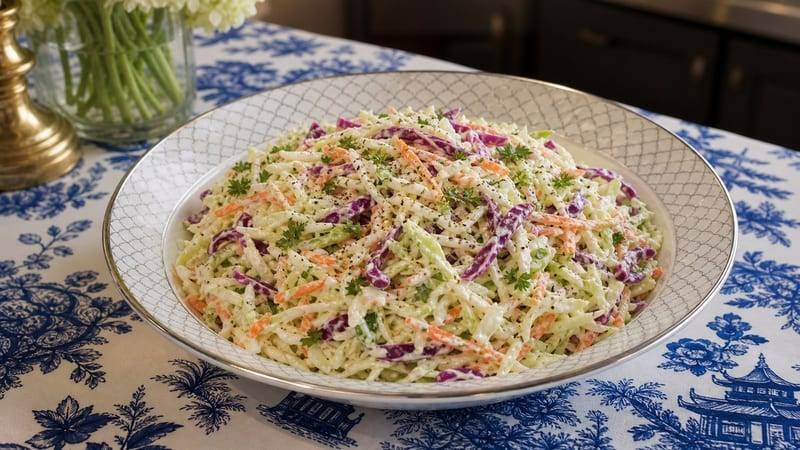
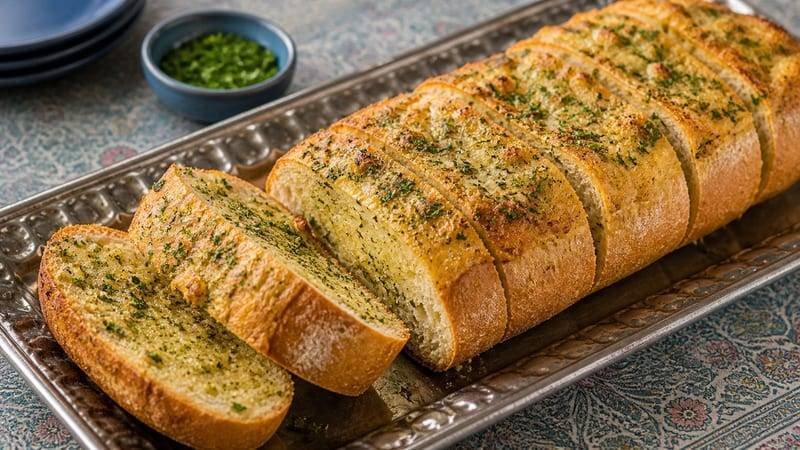
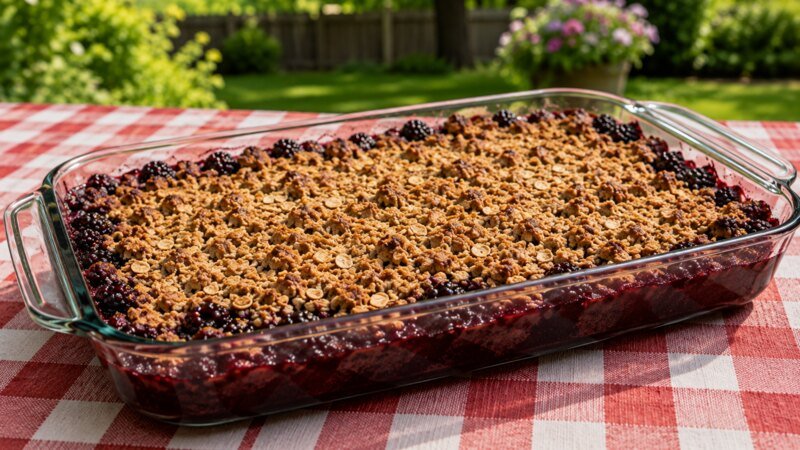
Pair this recipe with a side, bread, and something sweet from the FAFO Kitchen.
More Like This
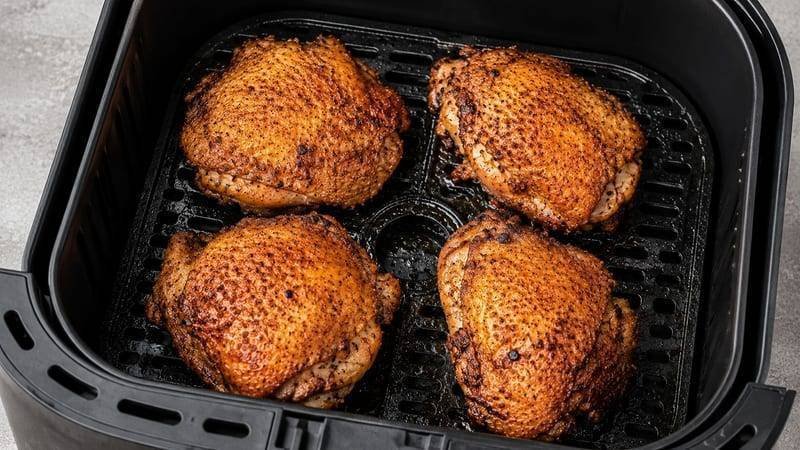 Air Fryer Chicken ThighsSame main ingredient: Chicken
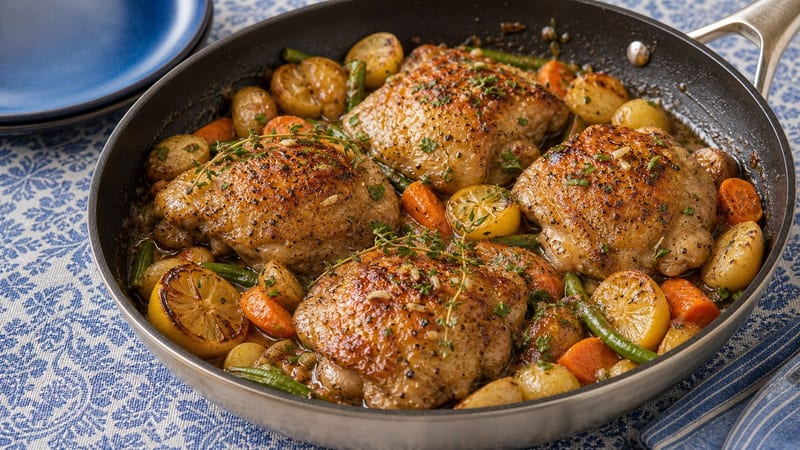 One-Pan Garlic Butter Chicken ThighsSame main ingredient: Chicken
 One-Pot Chicken and RiceSame main ingredient: Chicken
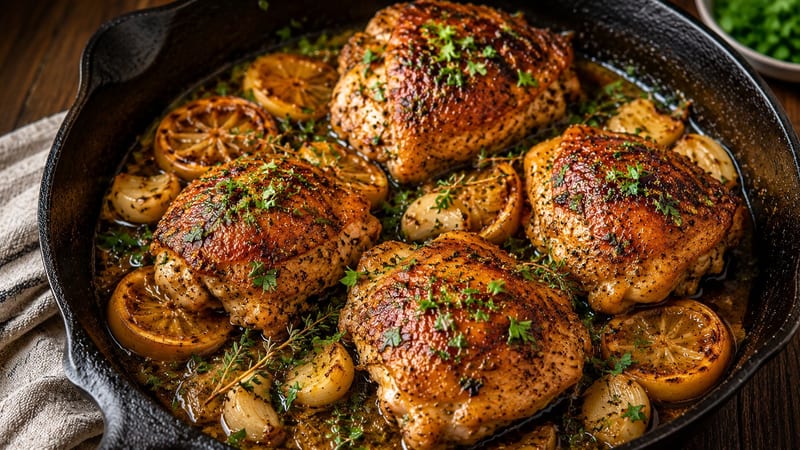 Honey Garlic Skillet ChickenSame main ingredient: Chicken
You Might Also Like


Finish With Dessert
Try this next
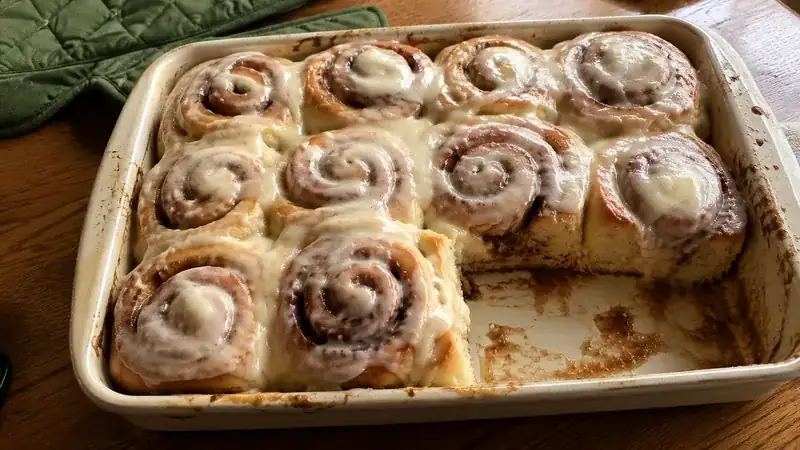
Cinnamon Rolls
View recipe →