

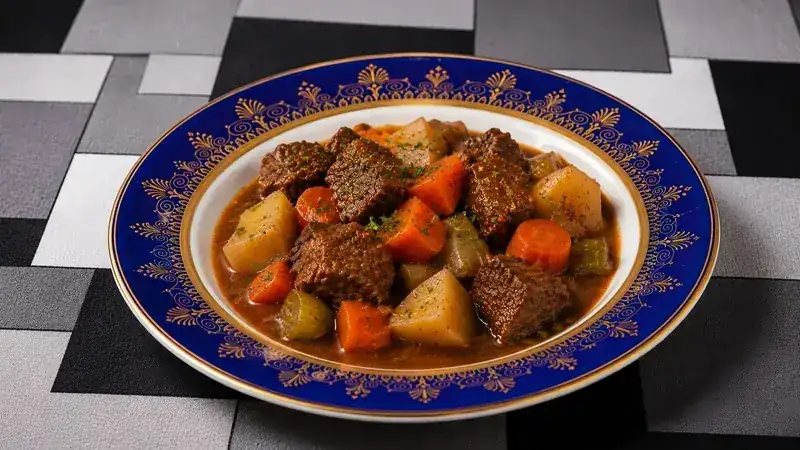
Classic Beef Stew
To make beef stew, brown seasoned chuck roast in batches in a heavy pot, then braise it low and slow with vegetables, broth, and aromatics for 1.5 to 2 hours until the beef is fork-tender. The key steps are searing the meat properly and giving the stew enough time to develop its flavor.
Beef stew gets called simple so often that people forget simple food can still punish shortcuts. The first real decision here is not the broth, wine, potatoes, or carrots—it is whether you are willing to dry 2 1/2 pounds of chuck roast and brown it in batches. Moist beef steams. Crowded beef steams. Steamed beef is gray and technically edible, which is a standard we should reserve for emergencies. Flour-dusted chuck hitting a hot Dutch oven in small batches gives you the dark crust and browned bits that eventually become the backbone of the stew.
Onion, garlic, and tomato paste cook in that same pot before red wine goes in to loosen everything stuck to the bottom. Then beef broth, Worcestershire, thyme, and bay leaf join the seared chuck for the first hour of a low simmer. The carrots, Yukon Gold potatoes, and celery wait until later. That delay is deliberate: chuck needs time for its connective tissue to soften, while vegetables added at the beginning would spend two hours slowly applying for purée status.
After another 45 minutes to an hour, the beef should be fork-tender and the vegetables cooked through but still recognizable. Mash a couple of potato pieces into the broth if you want it thicker. What you end up with is the reason stew is better than a pile of boiled ingredients: deep beef flavor, wine and tomato underneath it, tender meat, and a broth with enough body to deserve the bread dragged through it.
Ingredients
- 2.5 lbs beef chuck roast, cut into 1.5-inch cubes
- 1.5 tsp kosher salt, plus more to taste
- 1 tsp black pepper
- 3 tbsp all-purpose flour
- 3 tbsp olive oil, divided
- 1 large yellow onion, roughly chopped
- 4 cloves garlic, minced
- 2 tbsp tomato paste
- 1 cup dry red wine (such as Cabernet Sauvignon or Merlot)
- 3 cups beef broth, low sodium
- 1 cup water
- 1 tbsp Worcestershire sauce
- 3 medium carrots, peeled and cut into 1-inch pieces
- 3 medium Yukon Gold potatoes, cut into 1.5-inch chunks
- 2 stalks celery, cut into 1-inch pieces
- 2 sprigs fresh thyme (or 1/2 tsp dried thyme)
- 1 bay leaf
- 1 tbsp fresh flat-leaf parsley, chopped (for serving)
Instructions
- 1Pat the beef cubes dry with paper towels — this is not optional, this is everything. Season generously with salt and pepper, then toss with the flour until lightly coated on all sides.
- 2Heat 1.5 tbsp olive oil in a large Dutch oven or heavy-bottomed pot over medium-high heat until shimmering. Working in two batches (do not crowd the pan), sear the beef for 2 to 3 minutes per side until deep brown. Remove seared beef to a plate and repeat with remaining oil and beef. Set all browned beef aside.
- 3Reduce heat to medium. Add the chopped onion to the same pot and cook, stirring occasionally, for 4 to 5 minutes until softened and beginning to color. Scrape up any browned bits from the bottom as you go.
- 4Add the minced garlic and tomato paste. Stir and cook for 1 to 2 minutes until the tomato paste darkens slightly and smells slightly less raw.
- 5Pour in the red wine and bring to a simmer, scraping up all the browned bits from the bottom of the pot. Let it reduce for 2 to 3 minutes.
- 6Return the seared beef and any collected juices to the pot. Add the beef broth, water, and Worcestershire sauce. Tuck in the thyme sprigs and bay leaf. Bring to a boil, then reduce heat to low, cover, and simmer for 1 hour.
- 7After 1 hour, add the carrots, potatoes, and celery. Stir to combine, replace the lid, and continue simmering on low for 45 minutes to 1 hour more, until the beef is fork-tender and the vegetables are cooked through but not disintegrating.
- 8Remove the bay leaf and thyme sprigs. Taste and adjust salt and pepper as needed. If you want a thicker stew, mash a few potato chunks against the side of the pot and stir them in. Let rest uncovered for 5 minutes before serving.
- 9Ladle into bowls and top with fresh parsley. Serve with crusty bread or nothing — it stands on its own.
Nutrition Information
Estimated per serving: 1 of 6 servings.
Estimated from the ingredients and quantities in this recipe using standard food-composition values. Brand choices, trimming, cooking loss, optional ingredients, and actual portion size can change the numbers. How we calculate nutrition estimates.
Pro Tips
- Dry the beef before you do anything else. Moisture is the enemy of a good sear, and a good sear is the entire personality of this stew. Use paper towels and mean it.
- Don't add the vegetables at the start. I learned this the hard way when my potatoes turned into something I could legally call mashed and they were not supposed to be mashed. Forty-five minutes to one hour is enough time for them to cook without giving up entirely.
- Chuck roast is the right cut here — it has enough fat and connective tissue to become tender and silky over a long braise. A leaner cut like round will finish the cook dry and disappointed, which is a feeling I wouldn't wish on meat.
Substitutions
Storage Instructions
Store cooled leftovers in an airtight container in the refrigerator for up to 4 days. Reheat gently on the stovetop over medium-low heat, adding a splash of broth or water if the stew has thickened too much. Freeze in airtight containers for up to 3 months — freeze without the potatoes if possible, as they can become grainy after thawing. Thaw overnight in the refrigerator before reheating.
Make Ahead
This stew is genuinely better the next day. Make it fully through step 9, let it cool completely, and refrigerate overnight. Reheat on the stovetop over medium-low, covered, stirring occasionally. The flavors deepen significantly after 24 hours and the broth thickens naturally as it sits.
Frequently Asked Questions
Can I make this ahead of time?
Yes. Cook Classic Beef Stew ahead, cool it promptly, and refrigerate it covered. Reheat gently before serving; hold back fresh herbs, dairy swirls, or crunchy garnishes until the end.
How do I store the leftovers?
Store the leftovers in an airtight container in the refrigerator for up to 4 days. Reheat gently on the stovetop over medium-low heat, adding a splash of broth or water if the stew has thickened too much. Freeze in airtight containers for up to 3 months — freeze without the potatoes if possible, as they can become grainy after thawing. Thaw overnight in the refrigerator before reheating.
Can I freeze it?
Yes. See the storage section on this page for exact freezing and thawing directions — most versions of Classic Beef Stew Recipe freeze well for up to 2–3 months when cooled fully first and portioned into airtight containers.
Can I adjust it for what I have on hand?
Yes. Tested adjustments on this recipe include dry red wine → additional beef broth plus 1 tbsp balsamic vinegar; Yukon Gold potatoes → parsnips or turnips; and beef chuck roast → beef short ribs (boneless).
What's the most common mistake to avoid?
Dry the beef before you do anything else. Moisture is the enemy of a good sear, and a good sear is the entire personality of this stew. Use paper towels and mean it.
Make It a Meal
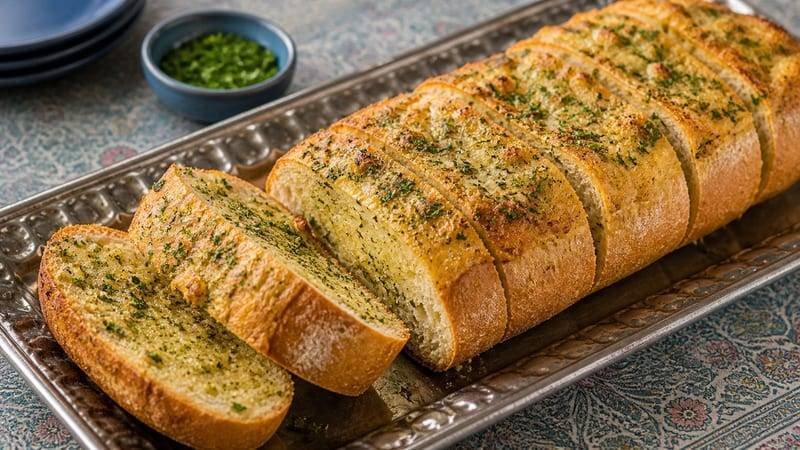
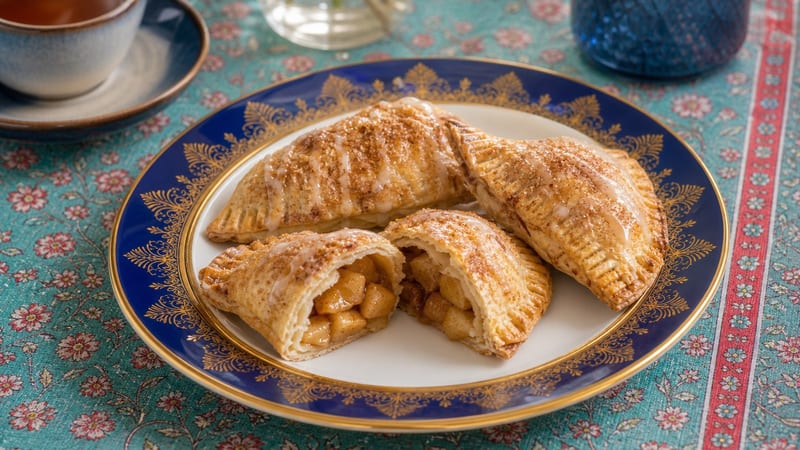
Pair this recipe with a side, bread, and something sweet from the FAFO Kitchen.

More Like This
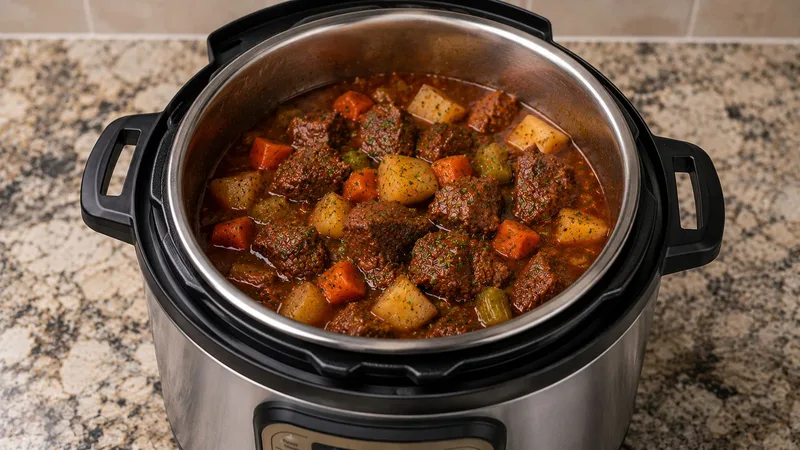
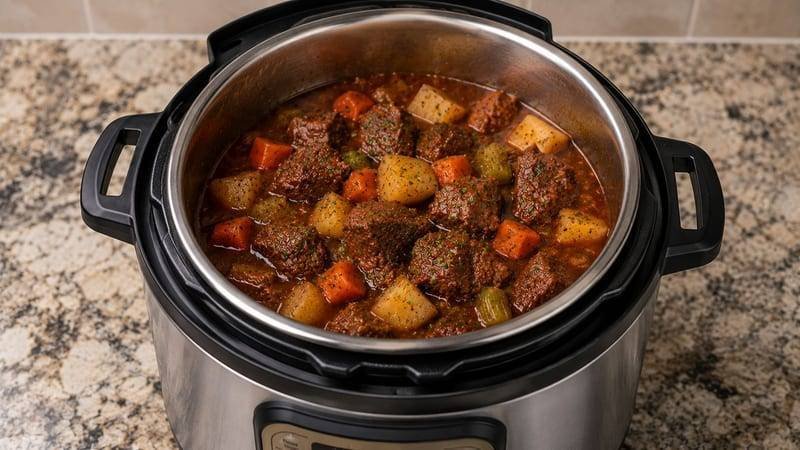 Instant Pot Beef StewBoth feature Beef Broth
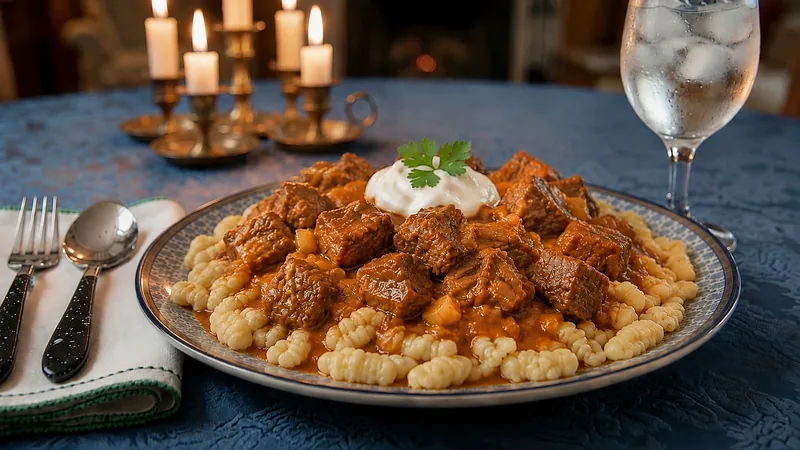
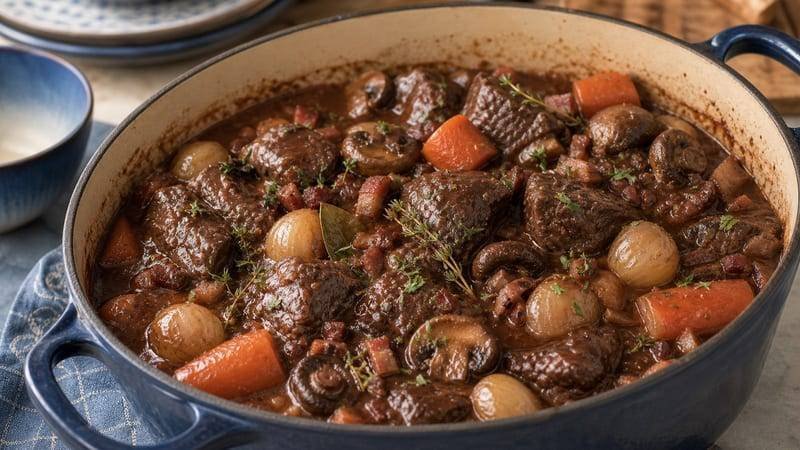 Beef BourguignonBoth feature Beef Broth
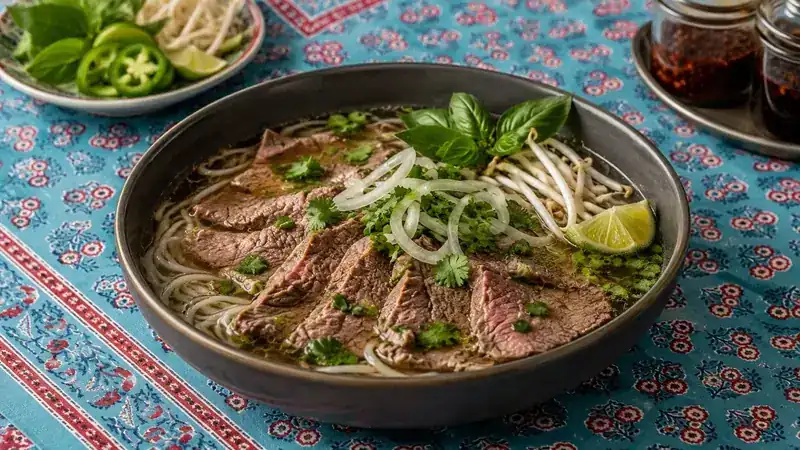
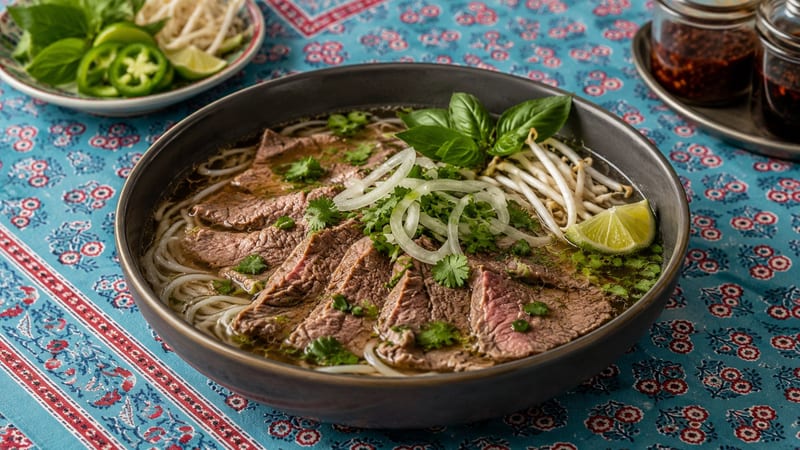 Beef Pho Shortcut SoupBoth feature Beef Broth
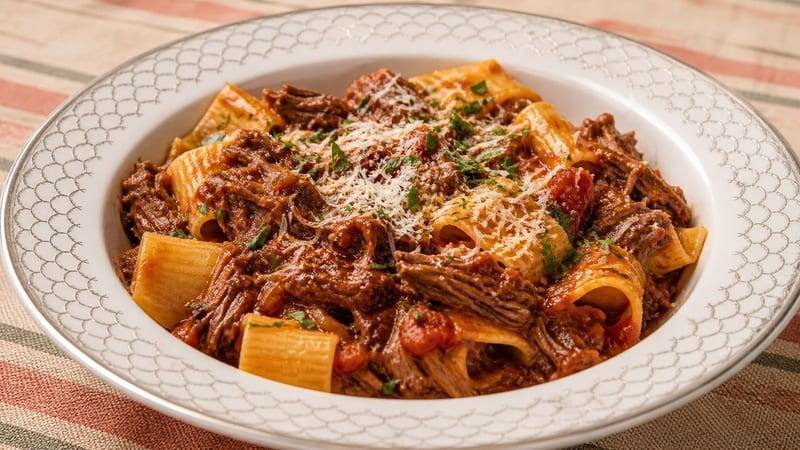 Slow Cooker Beef RaguBoth feature Beef Broth
You Might Also Like

Finish With Dessert

Try this next
Banana Pudding
View recipe →