

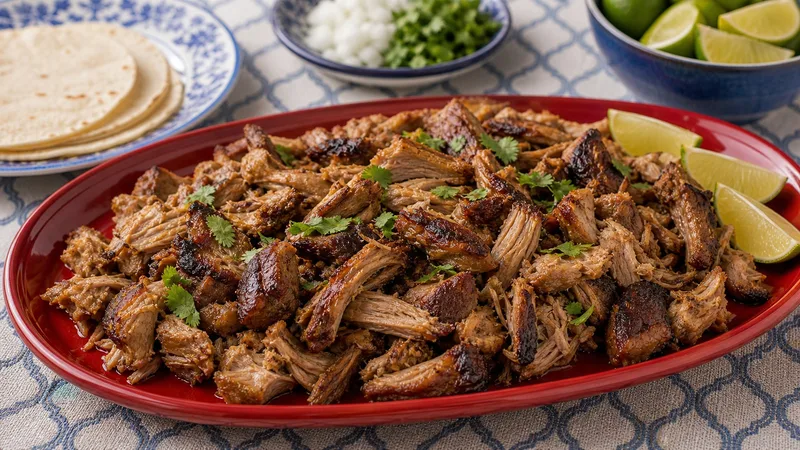
Pork Carnitas
To make pork carnitas, simmer seasoned pork shoulder in lard or oil with citrus and aromatics until the liquid evaporates, then fry the pork in its own fat until the edges crisp and caramelize. The whole process takes about 3 to 3.5 hours and produces tender shredded pork with crackling browned bits.
Carnitas should have two personalities at the same time: pork so tender it pulls apart with almost no effort, plus browned, crisp edges that make you keep stealing pieces before the tortillas are even warm. If every bite is soft, you made very good braised pork. If every bite is crunchy, you created expensive pork gravel. The magic is getting both textures in the same forkful.
This method cooks pork shoulder slowly with aromatics and enough liquid for the meat to become tender, then lets that liquid reduce away so the rendered fat can take over. That transition is the whole recipe. Once the pot stops looking like a braise and starts sounding like a gentle fry, the pork gets pressed against the hot surface for two or three minutes at a time. Turn it, let another section brown, and repeat until the edges are deeply golden while the centers stay juicy. If the pot looks dry during that final stage, a little lard or oil keeps the browning moving.
Shred the pork while keeping those crisp bits mixed through it, then serve immediately in warm corn tortillas with white onion, cilantro, salsa, and lime. Do not crisp carnitas beautifully and then seal it in a covered container for half an hour. Steam has ruined enough good decisions already.
Ingredients
- 4 pounds bone-in pork shoulder (or 3.5 lbs boneless), cut into 3-inch chunks
- 1 tablespoon kosher salt
- 1 teaspoon black pepper
- 1 teaspoon ground cumin
- 1 teaspoon dried oregano (Mexican oregano if you can find it)
- 1/2 teaspoon smoked paprika
- 1/2 teaspoon chili powder
- 1 large orange, halved and juiced (keep the halves)
- 1 lime, juiced
- 1 medium white onion, quartered
- 6 cloves garlic, smashed and peeled
- 2 bay leaves
- 1 cup water
- 2 tablespoons lard or neutral oil (vegetable or avocado)
Instructions
- 1Cut pork shoulder into 3-inch chunks. If using bone-in, cut around the bone and include it in the pot "? it adds flavor. Pat the pieces dry with paper towels. Dry meat browns better; wet meat steams. This matters.
- 2Mix salt, pepper, cumin, oregano, smoked paprika, and chili powder in a small bowl. Rub the spice mixture all over the pork pieces, getting into every crevice.
- 3Place the seasoned pork in a large Dutch oven or heavy-bottomed pot in a single layer if possible. Add the quartered onion, smashed garlic, bay leaves, orange juice, squeezed orange halves, lime juice, and 1 cup of water. The liquid should come about halfway up the pork "? not cover it.
- 4Bring to a boil over high heat, then reduce to a steady simmer. Cook uncovered at medium-low heat for 2 to 2.5 hours, turning the pork occasionally, until the meat is completely tender and falls apart when pressed with a fork.
- 5Once the pork is tender, increase heat to medium-high. Continue cooking, stirring more frequently now, as the liquid reduces and eventually evaporates. This takes 20 to 30 minutes. Do not walk away during this stage. The pot will go from liquid to caramelized in less time than you expect.
- 6When the liquid is gone and the pork is starting to fry in its own rendered fat, use a spoon or spatula to press and break the larger pieces slightly. Let the pork sit undisturbed for 2 to 3 minutes at a time to develop a crust on the bottom, then turn and repeat. Add the lard or oil now if the pot looks dry. Cook until the edges are deeply golden and crisp, about 10 to 15 more minutes. Cook pork chops or tenderloin to 145°F, then rest before slicing; cook pork shoulder until tender enough to shred.
- 7Remove the bay leaves and orange halves. Taste and adjust salt. Shred with two forks or tongs, keeping those crispy bits mixed in with the tender meat. Serve immediately for maximum crunch.
- 8Serve in warm corn tortillas with white onion, cilantro, salsa, and a squeeze of lime.
Nutrition Information
Estimated per serving: 1 of 8 servings.
Estimated from the ingredients and quantities in this recipe using standard food-composition values. Brand choices, trimming, cooking loss, optional ingredients, and actual portion size can change the numbers. How we calculate nutrition estimates.
Pro Tips
- Bone-in pork shoulder is worth seeking out over boneless. The bone releases collagen as it cooks, which gives the braising liquid body and helps the final fry develop a better crust. I learned this after four batches of fine-but-not-remarkable carnitas.
- Do not cover the pot. I know it's tempting. Covering it traps steam, slows evaporation, and you end up with braised pork instead of carnitas. The whole point is that the liquid cooks off. Let it breathe.
- The crispy stage is not the time to multitask. Walk away during the two-hour simmer. Come back when the liquid starts to get low, and from that point forward you are standing at that stove and you are paying attention. The line between beautifully caramelized and scorched is about ninety seconds and a phone notification.
Substitutions
Storage Instructions
Store leftover carnitas in an airtight container in the refrigerator for up to 4 days. To reheat and restore crispiness, spread in a single layer in a hot skillet with a small drizzle of oil over medium-high heat for 3 to 5 minutes, stirring once or twice. The microwave will warm them but you will lose the crust, and you worked too hard for that. Freeze in zip-top bags for up to 3 months; thaw overnight in the refrigerator before reheating.
Make Ahead
Carnitas can be made through the full braising and crisping stage, cooled, and refrigerated up to 3 days ahead. Reheat in a hot skillet to re-crisp before serving. You can also braise the pork fully (through step 5, before the crisping stage) and refrigerate overnight "? skimming the solidified fat from the top is easier cold, and then you proceed with the crisping step when ready.
Frequently Asked Questions
Can I make this ahead of time?
Yes. Cook the pork until tender ahead and refrigerate it with some of the reduced cooking juices. Reheat the pork, then do the final high-heat crisping step close to serving so you get caramelized edges instead of soft reheated carnitas.
How do I store the leftovers?
Store the leftovers in an airtight container in the refrigerator for up to 4 days. To reheat and restore crispiness, spread in a single layer in a hot skillet with a small drizzle of oil over medium-high heat for 3 to 5 minutes, stirring once or twice. The microwave will warm them but you will lose the crust, and you worked too hard for that. Freeze in zip-top bags for up to 3 months; thaw overnight in the refrigerator before reheating.
Can I freeze it?
Yes. Freeze the tender cooked pork with some of its reduced cooking juices before the final crisping step. Thaw in the refrigerator, reheat the pork, then crisp the edges in the hot rendered fat just before serving.
Can I adjust it for what I have on hand?
Yes. Tested adjustments on this recipe include pork shoulder → pork butt; lard → vegetable shortening or avocado oil; and orange → 1/4 cup orange juice plus 1 tablespoon apple cider vinegar.
What's the most common mistake to avoid?
Bone-in pork shoulder is worth seeking out over boneless. The bone releases collagen as it cooks, which gives the braising liquid body and helps the final fry develop a better crust. I learned this after four batches of fine-but-not-remarkable carnitas.
Make It a Meal
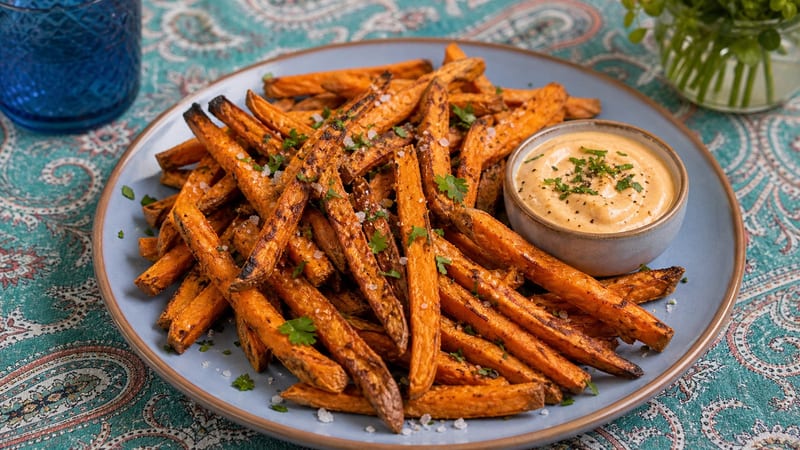
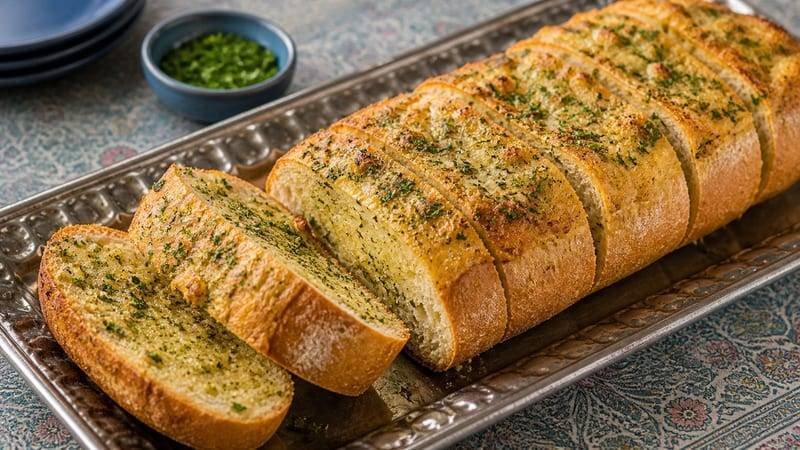
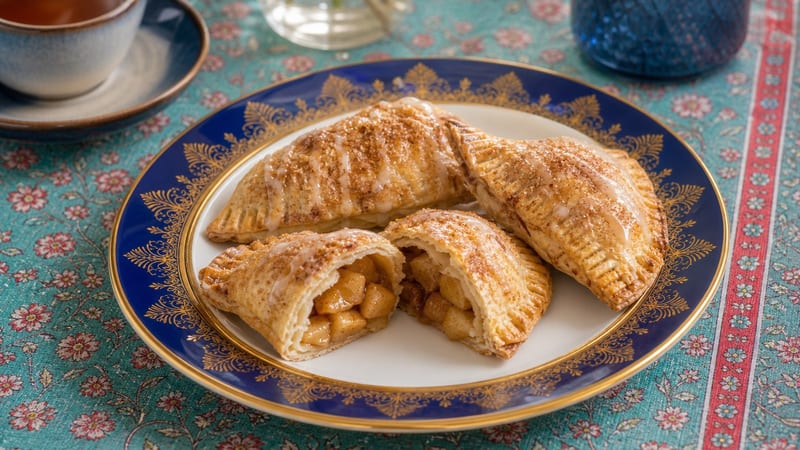
Pair this recipe with a side, bread, and something sweet from the FAFO Kitchen.
More Like This
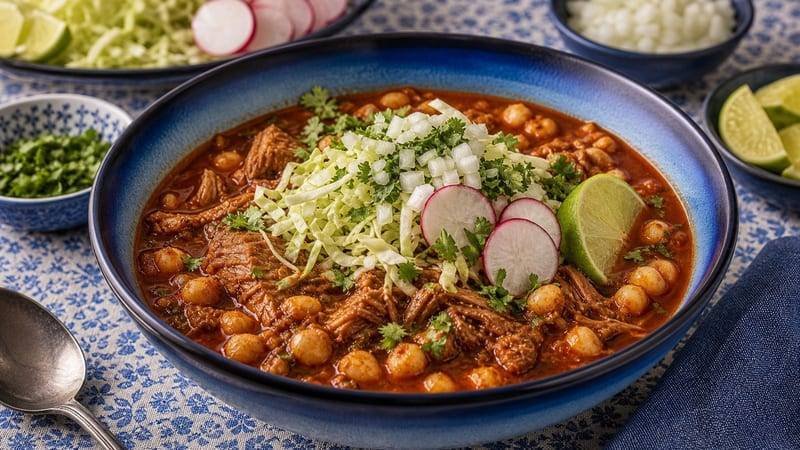 PozoleBoth feature Pork Shoulder
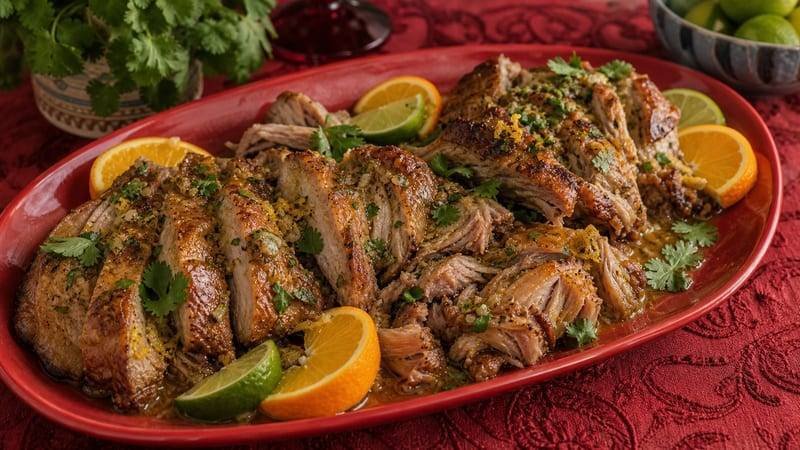 Cuban Mojo PorkBoth feature Pork Shoulder
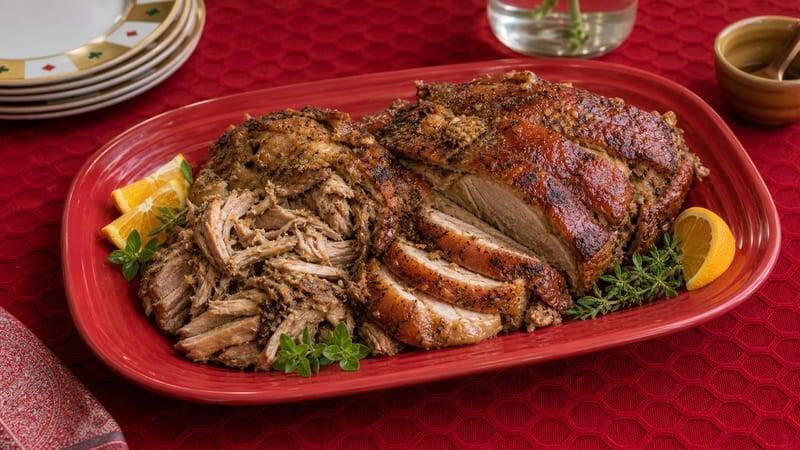 Puerto Rican PernilBoth feature Pork Shoulder
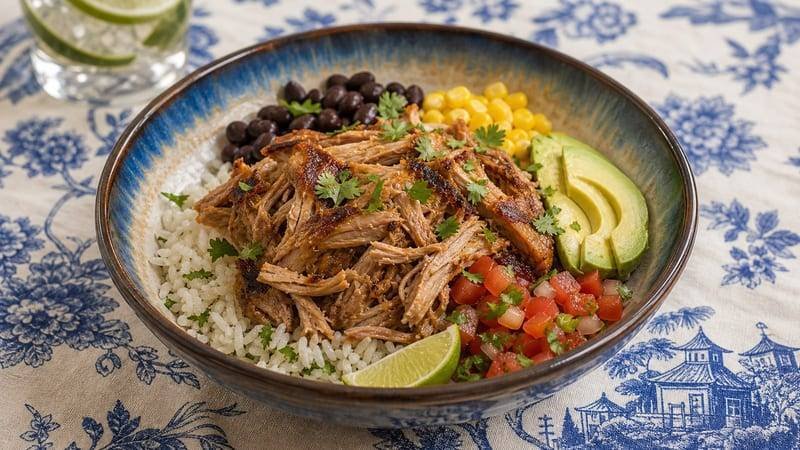 Instant Pot Carnitas BowlsBoth feature Pork Shoulder
You Might Also Like


Finish With Dessert
Try this next
Cheesecake Recipe That Actually Sets (No Cracks, No Drama)
View recipe →